Cats are among the most fascinating creatures on the planet, beloved for their mysterious behavior, graceful movements, and charming personalities. One of the most iconic features of a cat is its purr—a low, rhythmic, vibrating sound that most cat owners find comforting and endearing. While many people associate purring with happiness and contentment, the truth is far more complex. Cats purr for a variety of reasons, and the science behind this feline sound reveals intriguing insights into their biology, communication, and even healing abilities. Understanding why cats purr can help owners connect better with their pets, improve their well-being, and deepen our appreciation of these unique animals.
What Is a Cat Purr?
A cat’s purr is a continuous, low-frequency sound produced by the rapid contraction of laryngeal muscles, combined with controlled breathing. Unlike meowing, which is often intended to communicate with humans or other cats, purring is a self-generated sound that can occur both during inhalation and exhalation. The frequency of a cat’s purr typically ranges between 25 and 150 Hertz, a range that, interestingly, has been shown in scientific studies to promote tissue regeneration and healing. While purring is most commonly associated with domestic cats, some wild cats, such as cheetahs, also purr, though large cats like lions and tigers generally do not.
The mechanism behind purring is quite fascinating. When a cat contracts the muscles within its larynx, it causes the vocal cords to separate and vibrate, producing the characteristic sound. Simultaneously, the diaphragm and lungs regulate airflow, allowing the purr to continue in a rhythmic pattern. Remarkably, cats can control the intensity and duration of their purring, adjusting it based on their emotional state, health, or environmental factors. This level of control hints at the complex neurological processes that underlie feline vocalization and communication.
Why Do Cats Purr?
1. Cats Purr When They’re Content
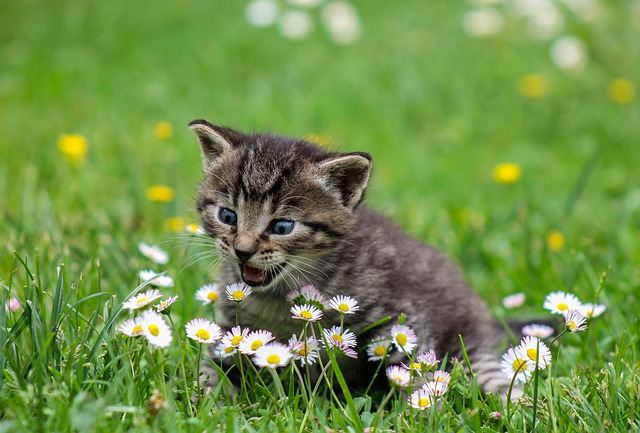
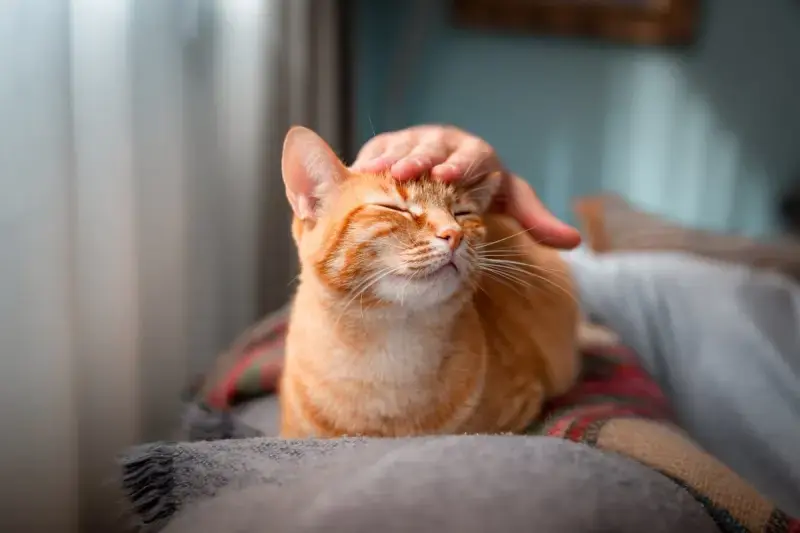
The most commonly recognized reason cats purr is to express contentment or happiness. When a cat curls up on your lap, kneads your lap with its paws, and starts purring, it is often a signal that the cat feels safe, relaxed, and comfortable. Purring in this context serves as a social bonding mechanism, strengthening the relationship between cats and humans. Interestingly, kittens start purring when they are just a few days old, using this sound to communicate with their mother. In this early stage of life, purring signals well-being and helps the mother cat locate her kittens, especially in large litters or low-visibility environments.
2. Cats Purr When They’re Anxious
Some cats purr when they are anxious, stressed, or in pain. This duality has puzzled scientists for decades. Researchers suggest that purring may function as a self-soothing mechanism for cats. By producing the purr’s low-frequency vibrations, a cat may calm itself in stressful situations, much like humans might hum or take deep breaths to relax. This explains why some cats purr at the veterinarian’s office, during car rides, or when recovering from injury or illness. In these cases, purring is less about expressing happiness and more about managing discomfort and anxiety.
3.Purring as a Healing Mechanism
One of the most intriguing aspects of purring is its potential therapeutic effects. Studies have shown that the low-frequency vibrations of a cat’s purr, typically between 25 and 150 Hertz, can stimulate the production of growth factors, promote tissue regeneration, reduce inflammation, and even aid in bone healing. This means that cats may purr not only to communicate or self-soothe but also to help their own bodies heal. For example, cats recovering from injuries, surgery, or illness often purr, which may accelerate recovery and reduce pain. The vibrations generated by purring can also help maintain bone density and strengthen muscles, which is especially important for older cats.
This healing aspect of purring has led some researchers to suggest that cats may have evolved this behavior as an adaptive survival strategy. In the wild, cats are vulnerable to injury during hunting or territorial disputes. By purring to stimulate healing, cats increase their chances of recovery and survival. Moreover, the same vibrations that benefit cats may also have positive effects on humans. Many cat owners report feeling calmer, less stressed, and even experiencing relief from pain when sitting with a purring cat, suggesting that purring could have a subtle therapeutic effect on humans as well.
4.Cats Purr for Communication
While purring is often associated with emotions and healing, it is also a powerful communication tool. Cats use purring to convey messages to other cats and humans, with subtle variations in tone, frequency, and rhythm carrying different meanings. For instance, a soft, continuous purr may indicate contentment, while a louder, more insistent purr may signal a request, such as asking for food or attention. Mother cats use purring to communicate with their kittens, guiding them to safety, food, or warmth. Kittens respond by purring in return, creating a continuous feedback loop that strengthens the bond between mother and offspring.
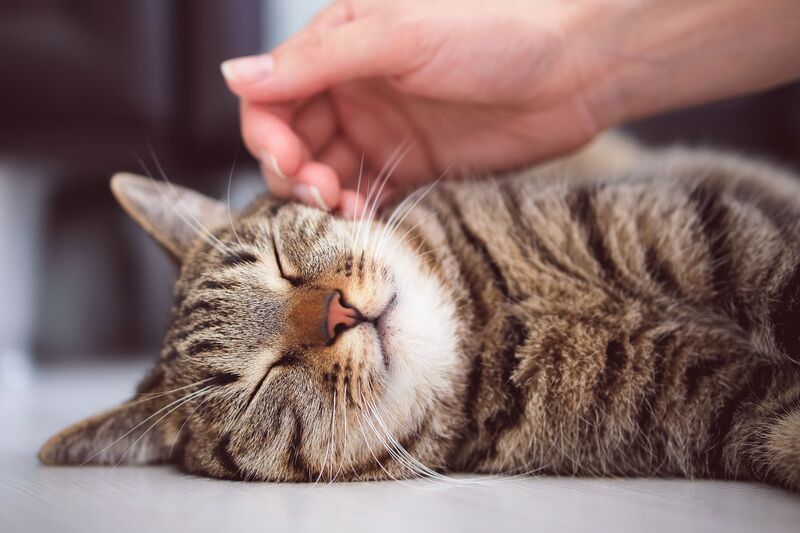
Interestingly, cats may also use purring strategically to manipulate humans. Research has shown that some cats incorporate a higher-pitched component into their purrs when soliciting attention or food from their owners. This “solicitation purr” is thought to mimic the sound of a human infant crying, which naturally triggers nurturing instincts. Humans may find this combination of low and high frequencies difficult to ignore, making it more likely that the cat’s request will be fulfilled. In this way, purring serves not just as a form of expression, but as a sophisticated tool for interaction and influence.
Cats Purr in Different Contexts
Cats purr in a variety of contexts, and understanding these contexts can help owners interpret their pet’s needs and emotions more accurately. For example, cats often purr while being petted, resting, or grooming, which typically signals contentment and relaxation. Conversely, cats may also purr when frightened, injured, or in labor, suggesting that purring is a versatile behavior that transcends a single emotional state. The context in which a cat purrs can provide important clues about its physical and emotional condition.
Some experts also note that purring can serve as a social signal among cats, even in adulthood. Cats may purr when greeting each other, reinforcing social bonds and reducing tension. In multi-cat households, purring may function as a peaceful signal, preventing aggression and promoting harmonious coexistence. This complex social function highlights the adaptive value of purring, not only for individual cats but also for the species as a whole.
Purring and Human-Cat Bonding
For cat owners, purring is more than a biological curiosity; it is a fundamental part of the human-animal bond. The sound of a cat purring can be deeply soothing, reducing stress and anxiety in humans. Studies have shown that listening to a cat purr can lower blood pressure, slow heart rate, and even promote relaxation and sleep. This mutual benefit reinforces the bond between humans and cats, making purring a key element of interspecies communication and companionship.
Cats may also use purring to signal trust and safety to humans. A cat that purrs while sitting on your lap or rubbing against your legs is demonstrating comfort, attachment, and confidence in your presence. This form of communication transcends words, allowing humans to understand and respond to their cat’s needs in an intuitive and emotionally resonant way. In essence, purring is a bridge between species, providing a shared language of calm, comfort, and connection.
Debunking Common Myths About Cats Purr
Despite its popularity, several myths about purring persist. One common misconception is that cats only purr when they are happy. As we have explored, cats may purr in a variety of situations, including stress, fear, pain, and illness. Another myth is that purring is exclusively a domestic cat behavior. While domestic cats are the most familiar purriers, some wild cats also purr, highlighting the evolutionary roots of this behavior. Conversely, large cats like lions, tigers, and leopards generally cannot produce a true purr, which is why the presence of purring is considered a distinguishing feature of smaller felines.
Some people also believe that purring is purely involuntary, but research shows that cats have conscious control over this behavior. They can start or stop purring depending on context, modulate the frequency and intensity, and even combine purring with other vocalizations to achieve specific communicative goals. This level of control underscores the complexity of purring and its multifaceted role in a cat’s life.
Purring in Kittens and Early Development
Purring plays a critical role in early feline development. Newborn kittens are born blind and deaf, relying on their mother for warmth, nourishment, and protection. Within hours of birth, kittens begin to purr, using this sound to signal well-being and attract their mother’s attention. This early purring serves as both a bonding mechanism and a survival tool, ensuring that kittens receive care and nurturing. In turn, mother cats respond to their kittens’ purrs by providing food, grooming, and protection, reinforcing the maternal-infant connection. This early communication lays the foundation for a lifetime of social and emotional development.
As kittens grow, purring continues to serve multiple functions, from signaling contentment to requesting attention. Understanding a kitten’s purring behavior can help owners provide appropriate care, socialization, and stimulation, ultimately contributing to the kitten’s healthy emotional and physical development.
Conclusion
The purring of cats is a remarkable behavior that goes far beyond a simple sign of happiness. It is a complex, multifaceted phenomenon that encompasses communication, emotional expression, self-soothing, healing, and social bonding. From the earliest days of life, purring serves as a critical tool for survival and connection, allowing kittens to communicate with their mother and adult cats to interact with humans and other cats. The low-frequency vibrations of a purr can promote healing, reduce stress, and even influence human physiology, highlighting the profound impact of this simple yet extraordinary sound.
For cat owners, understanding why cats purr enhances the bond with their pets and allows for more responsive, compassionate care. Purring is a language of comfort, trust, and connection, and by listening carefully to its nuances, humans can gain insight into their cat’s emotional and physical state. Whether expressing joy, seeking attention, managing pain, or promoting healing, the cat’s purr is a testament to the intricate beauty of feline biology and behavior. In the end, purring is not just a sound; it is a window into the mysterious and enchanting world of cats.