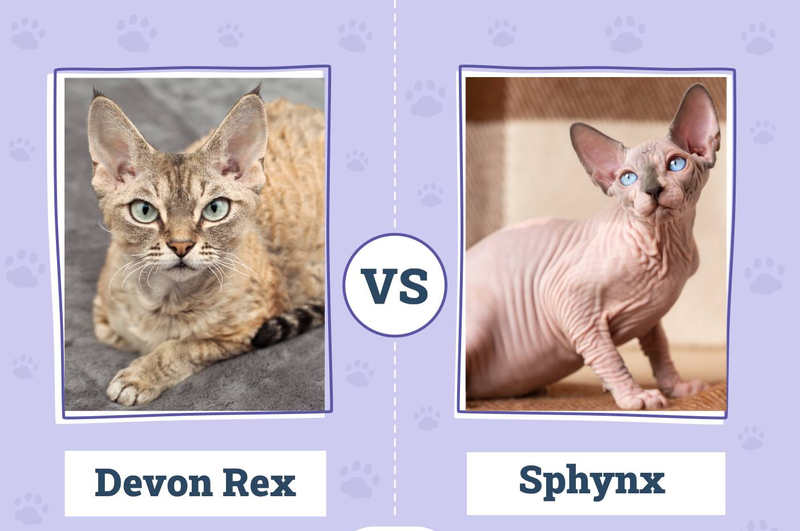
Choosing the right cat breed is one of the most important decisions for any cat lover. Two breeds that stand out for their unique appearance and personality are the Sphynx and Devon Rex. Both are affectionate, social, and energetic, yet they differ in physical traits, grooming needs, and behavior. Understanding these differences, especially what makes a Sphynx unique, will help you decide which breed aligns best with your home, lifestyle, and daily routine. In this guide, we explore everything you need to know to choose between a Sphynx and a Devon Rex.
Appearance and Physical Differences
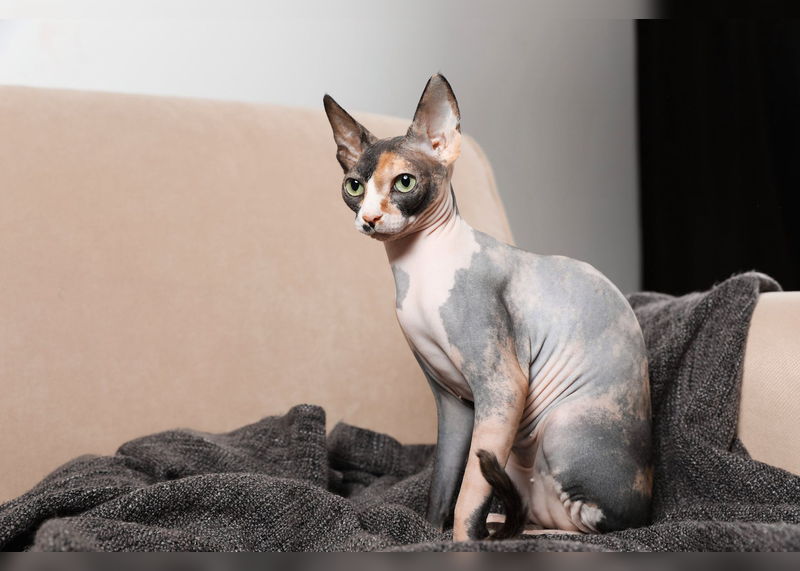
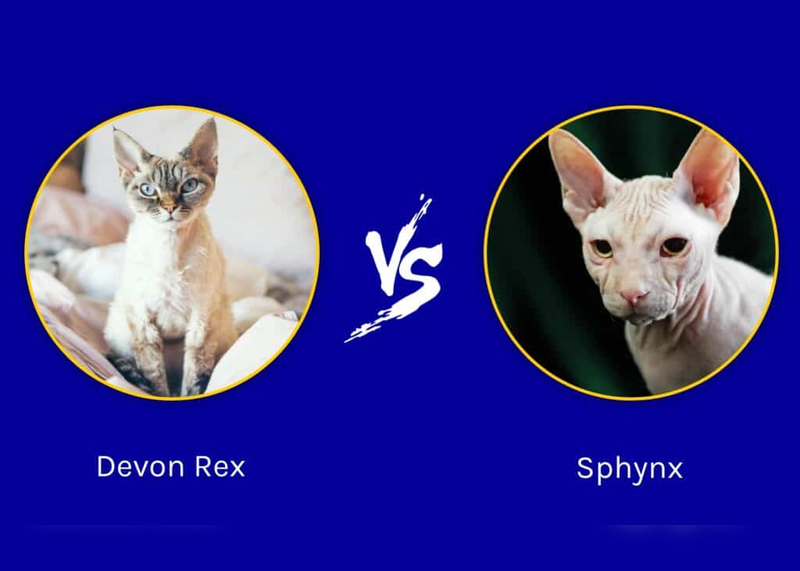
The Sphynx is instantly recognizable for its nearly hairless body, soft suede-like skin, and large ears. Unlike most cats, a Sphynx requires gentle bathing to remove skin oils that can accumulate and cause odor or irritation. In contrast, the Devon Rex has a short, curly coat that is soft to touch and requires less grooming.
Beyond the coat, their body structures differ. The Sphynx is muscular, medium-sized, with a rounded chest, giving it a strong and sturdy appearance. The Devon Rex is smaller, with delicate features, large ears, and slender legs, giving it a playful, elfin look. These differences not only influence their appearance but also daily care routines, especially the Sphynx, which needs warmth and regular skin attention.
Personality and Temperament of the Sphynx Compared to Devon Rex
When considering personality, the Sphynx is extremely affectionate and highly social. They love human companionship, often following their owners around the house, seeking warmth and attention. these cats thrive in homes where someone is often present, making them ideal for families or individuals who can spend time interacting with their cat daily.
The Devon Rex, on the other hand, balances social affection with playfulness and independence. They are energetic, mischievous, and enjoy interactive play, climbing, and mental challenges. While affectionate, Devon Rex cats can handle short periods alone better than a Sphynx, making them suitable for slightly busier households. Understanding these personality differences is key to deciding which breed will fit seamlessly into your lifestyle.
Grooming and Maintenance Needs for Sphynx and Devon Rex Cats
Despite being hairless, the Sphynx requires frequent grooming. Weekly baths help remove excess skin oils, prevent odor, and maintain healthy skin. Regular ear cleaning is also essential, as Sphynx cats produce more earwax than most breeds. Their lack of fur means they also need protection from extreme temperatures, making indoor care especially important.
The Devon Rex, with its curly coat, requires less intensive grooming. Brushing once or twice a week is typically enough. Like the Sphynx, their ears need occasional cleaning, and they may require extra warmth in colder months. When choosing between a Sphynx and Devon Rex, consider how much time you can dedicate to grooming and daily care.
Activity Level and Playfulness of Sphynx vs Devon Rex
Both of these cats are playful, but the Devon Rex tends to be more energetic and mischievous. They enjoy climbing, interactive toys, and mental stimulation. The Sphynx, while playful, also appreciates frequent cuddle time and warmth, making them a blend of active and affectionate behavior.
If you live in an apartment or smaller space, a Sphynx may adapt more easily, enjoying cozy spots and occasional play sessions. The Devon Rex benefits from vertical spaces, such as cat trees, and requires more engagement to prevent boredom. Understanding their activity levels ensures you can provide the environment each breed thrives in.
Health Considerations
Both breeds are generally healthy but have specific concerns. The Sphynx is prone to skin conditions due to its hairless nature and can develop heart issues such as hypertrophic cardiomyopathy (HCM). Regular veterinary check-ups and attentive skin care are crucial.
The Devon Rex can be susceptible to patellar luxation and occasional heart conditions. Their energetic lifestyle helps maintain fitness, but routine veterinary care, proper nutrition, and monitoring for hereditary conditions are essential. Choosing a Sphynx or Devon Rex should include an understanding of these breed-specific health needs.
Choosing the Right Breed: Sphynx or Devon Rex for Your Lifestyle
When selecting a breed, consider your daily routine, home environment, and personal preferences:
- Choose a Sphynx if you want an affectionate, social, and attention-seeking cat. Ideal for owners who are home often and can provide warmth, cuddles, and companionship.
- Choose a Devon Rex if you prefer a playful, energetic, and clever cat that enjoys interactive toys and mental stimulation, while also tolerating brief periods of independence.
Both breeds offer loving companionship, but understanding their differences, especially the unique needs of a Sphynx, ensures a happy and harmonious relationship for years to come.
Conclusion
Both breeds are extraordinary cats, each with unique qualities. By carefully considering their personality, grooming requirements, activity level, and health considerations, you can make an informed choice that fits your lifestyle. Whether you choose the affectionate, warm-loving or the playful, intelligent Devon Rex, both breeds promise joy, companionship, and a loving presence in your home.