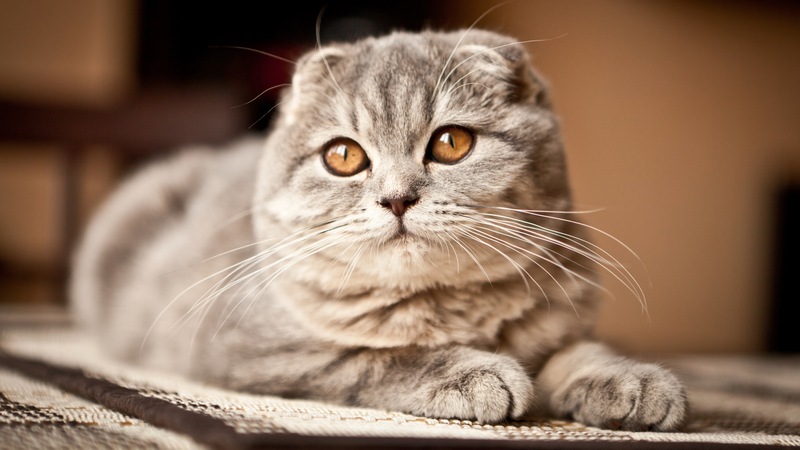
The Scottish Fold cat, with its irresistibly cute folded ears and round, gentle expression, has become one of the most recognizable and beloved cat breeds across the globe. While its distinctive look often steals the spotlight, this cat’s charm goes far deeper than appearance alone. Scottish Folds are known for their affectionate temperament, calm nature, and almost human-like mannerisms—qualities that have earned them a loyal fan base among cat lovers. Today, we dive into the origin, history, physical traits, personality, care needs, and fascinating facts that make the Scottish Fold a truly unique feline companion.
The Origin and History of the Scottish Fold
The history of the Scottish Fold begins in the quiet countryside of Scotland in 1961, where a white barn cat named Susie was discovered with a rare and naturally occurring genetic mutation that caused her ears to fold forward. This unique feature immediately caught the attention of shepherd William Ross, who later obtained one of Susie’s kittens and began selectively breeding them. Working alongside geneticists, breeders confirmed that the folded ear trait was caused by a dominant gene—meaning only one parent with the fold was needed to pass down the trait.
Over time, the breed gained momentum, first across the United Kingdom and later internationally. By the late 1960s and early 1970s, Scottish Folds had crossed the Atlantic and entered breeding programs in the United States. American breeders refined the appearance of the breed, especially the round face, large expressive eyes, and more pronounced ear fold. The breed’s popularity grew even further as more people discovered its gentle personality and adorable aesthetic.
Unlike older breeds that trace their origins back hundreds or thousands of years, the Scottish Fold’s development happened within a span of just a few decades—yet its impact on the cat world has been remarkable. Social media further accelerated the breed’s fame, with countless videos and photos showcasing Scottish Folds sitting upright like humans, posing with wide, innocent eyes, or simply melting hearts with their sweet expressions. Even celebrity owners, including Taylor Swift, played a role in giving the breed a global spotlight.
Today, the Scottish Fold is admired not only for its iconic ears but also for its lovable and easygoing temperament. Its story—from a small Scottish farm to worldwide recognition—is a testament to how a single genetic quirk can give rise to an entirely new breed beloved by millions.
The Defining Physical Traits of Scottish Fold Cats
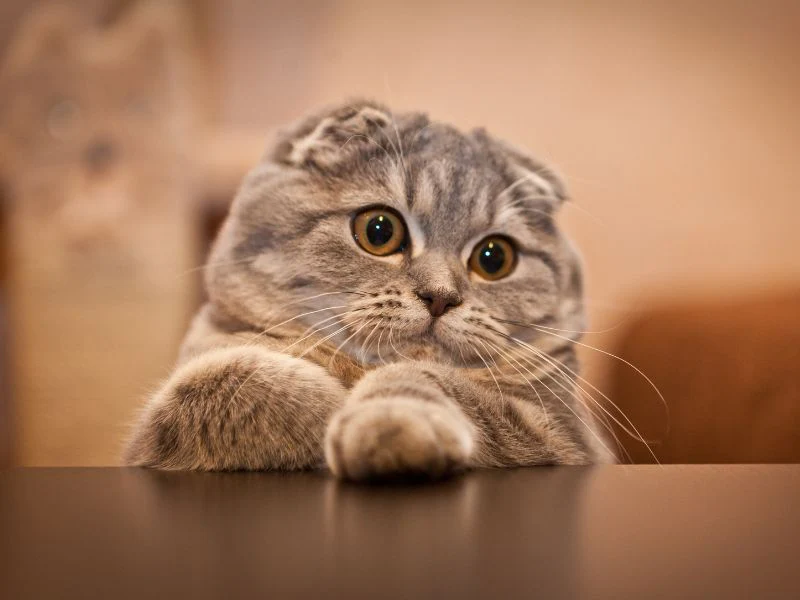
The Scottish Fold is often described as “owl-like,” “teddy-bear-like,” or “cartoonish” thanks to its soft, rounded features and folded ears. While the ears draw the most attention, the breed’s appeal is actually the result of several harmonious characteristics that create its unmistakable look.
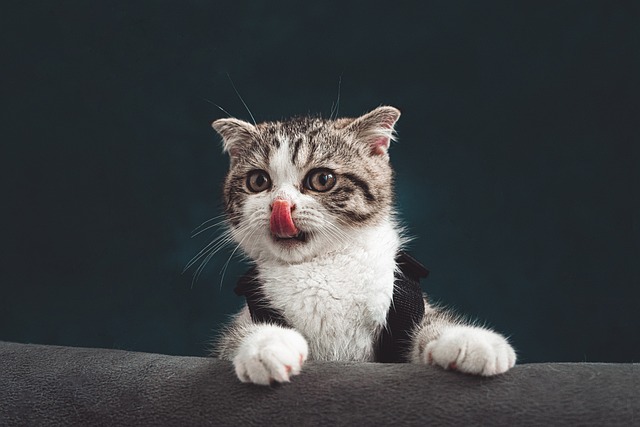
The folded ears, which bend forward toward the head, are the result of a cartilage mutation and come in varying degrees—some cats have a single fold, while others have a tight triple fold that lies flat against the head. Interestingly, not all Scottish Folds have folded ears; some are born with straight ears and are known as Scottish Straights. These straight-eared cats are essential for healthy breeding programs and share all other characteristics of the breed except the fold.
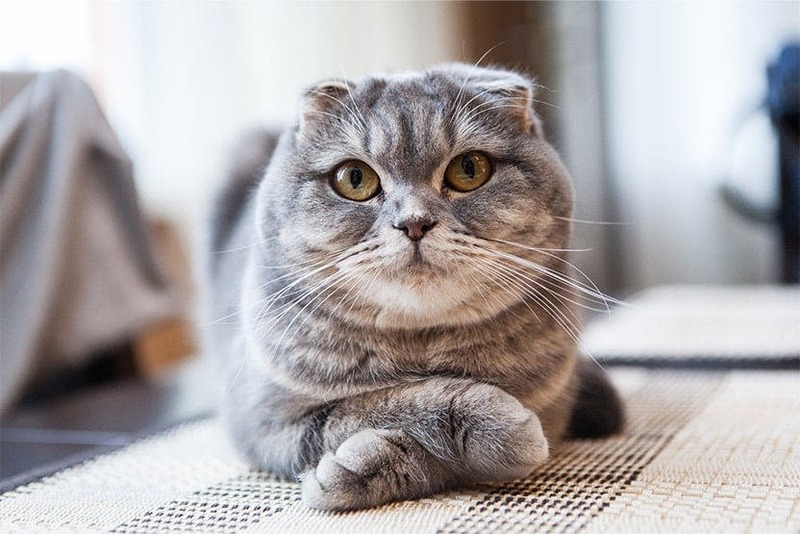
The Scottish Fold’s head is rounded, with full cheeks and a gentle curve that gives the face a soft, baby-like appearance. The eyes are large, wide-set, and expressive, often appearing curious, calm, or sweet depending on the moment. Their eye colors vary widely, from copper and gold to blue or even odd-eyed combinations, especially in white or bicolor cats.
The body is medium-sized, sturdy, and well-proportioned, with a muscular but not overly heavy build. Their legs are strong, and their paws are rounded, giving them a balanced and compact look. Coat types differ between short-haired Scottish Folds, which have dense, plush fur, and long-haired Folds (sometimes called “Highland Folds”), which have silkier and more flowing coats. Both versions come in a stunning variety of colors and patterns, from classic tabby stripes to solid colors, colorpoints, bicolors, and more.
Every part of the Scottish Fold’s physical structure works together to produce the iconic look cat lovers adore: round, sweet, plush, and endlessly endearing.
The Gentle and Loving Personality of Scottish Fold Cats
While the Scottish Fold’s appearance draws people in, it is the breed’s personality that truly wins hearts. These cats are known for being exceptionally affectionate, warm-hearted, and attached to their human companions. Unlike some independent or aloof breeds, the Scottish Fold thrives on interaction and enjoys being close to people.
Scottish Folds often follow their owners from room to room, quietly observing daily activities and enjoying simply being part of the environment. They are not overly vocal, but when they do meow, their voices are typically soft and sweet. Their calm temperament makes them great for families, couples, or individuals who appreciate a gentle, quiet companion.
Despite their affectionate nature, Scottish Folds are not demanding. They appreciate attention but do not constantly seek it. Instead, they form deep bonds with their owners and express their love in subtle yet meaningful ways—curling up next to you, nudging your hand, or simply staring lovingly with their wide eyes.
One of their most charming behaviors is their tendency to sit in unusual positions. Many Folds sit upright like humans, lie on their backs with their paws pointed upward, or rest with their legs stretched out in funny ways. These unusual “poses” are part of what makes the breed so entertaining and endearing.
Scottish Folds are playful but not hyperactive. They enjoy toys, feather wands, puzzle games, and laser pointers, but they value quiet time just as much. This balance between playfulness and calmness makes them easy to live with and suitable for many lifestyles.
The Special Care Requirements for Scottish Fold Cats
While Scottish Folds are generally easygoing, they do have specific care needs related to their unique physical traits. Understanding these requirements is essential for maintaining their health and quality of life.
1. Joint and Cartilage Health
The gene responsible for folded ears can sometimes affect cartilage throughout the body, potentially leading to stiffness or mobility issues. Responsible breeding minimizes these risks, but owners should still monitor:
- changes in mobility
- sensitivity when being touched
- difficulty jumping or climbing
Regular vet checkups are essential to catch problems early and ensure the cat remains comfortable.
2. Coat Care
Short-haired Folds need weekly brushing to remove loose fur and maintain their plush texture. Long-haired Folds require more frequent grooming to prevent tangles and matting. Grooming also helps reduce shedding around the home and supports healthy skin.
3. Ear Care
Folded ears may trap more debris than straight ears, so gentle cleaning is recommended to prevent wax buildup and infections.
4. Weight Management
Scottish Folds enjoy eating and can gain weight easily, especially since they are naturally calm cats. A balanced diet and daily playtime help keep them fit and healthy.
5. Emotional and Mental Stimulation
Even though they are calm, Scottish Folds enjoy enrichment. Interactive toys, climbing trees, and cozy resting spaces help keep them mentally active and content.
Providing proper care ensures that Scottish Folds live long, comfortable lives full of affection and companionship.
Interesting Facts About the Scottish Fold
The Scottish Fold is full of surprises! Here are some fun and fascinating facts about this lovable breed:
- All Scottish Fold kittens are born with straight ears; they begin to fold at around 3–4 weeks old.
- Some Folds have a single fold, while others have the coveted triple fold lying flat against their head.
- Straight-eared Folds are essential for healthy breeding programs.
- Taylor Swift’s cats, Meredith Grey and Olivia Benson, are Scottish Folds—and they helped skyrocket the breed’s popularity online.
- The Scottish Fold is known for sitting in the “Buddha position,” with legs stretched out and paws resting on the belly.
- This breed is often described as having an “owl-like” appearance because of its rounded features and wide eyes.
Whether in movies, on social media, or in real life, Scottish Folds effortlessly capture attention and hearts.
Final Thoughts
The Scottish Fold is truly a one of a kind breed adorable, affectionate, and endlessly captivating. From its humble beginnings in Scotland to its rise as a global favorite, this cat has charmed the world with its folded ears, expressive eyes, and gentle nature. Its unique mix of beauty, personality, and quirky behavior creates a bond that cat lovers cherish deeply.
Whether you already share your home with a Scottish Fold or are considering bringing one into your life, understanding the breed’s characteristics and needs helps deepen your appreciation for this remarkable feline. With proper care, companionship, and love, the Scottish Fold thrives—and brings endless joy to every household lucky enough to enjoy its presence.