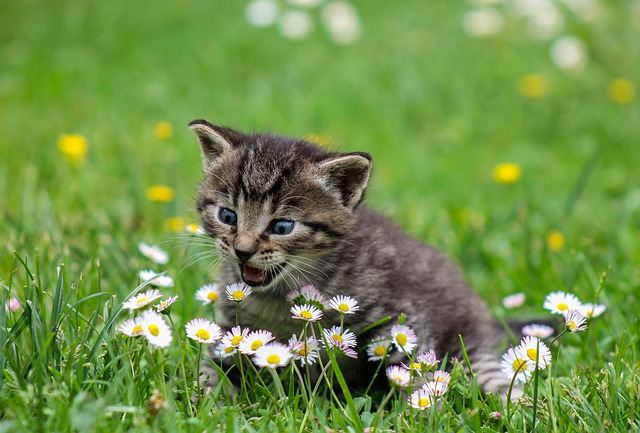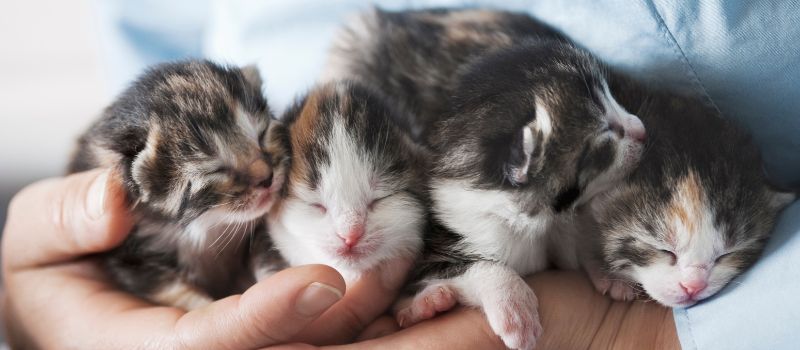
Bringing a new kitten home is an exciting and joyful experience, but it comes with a significant responsibility to ensure your kitten grows healthy, happy, and well-adjusted. A well-structured kitten care routine covers every aspect of your kitten’s life, from proper feeding and vaccinations to socialization and preventive health. Without a comprehensive schedule, kittens are at a higher risk of developing health issues, behavioral problems, or social anxiety. Establishing these practices early on helps prevent problems, strengthens the bond between you and your cat, and creates a foundation for long-term well-being. Whether you are a first-time cat owner or experienced, understanding and implementing a complete routine is essential for raising a strong and confident feline companion.
Feeding Your Kitten as Part of Kitten Care
Choosing the Right Food
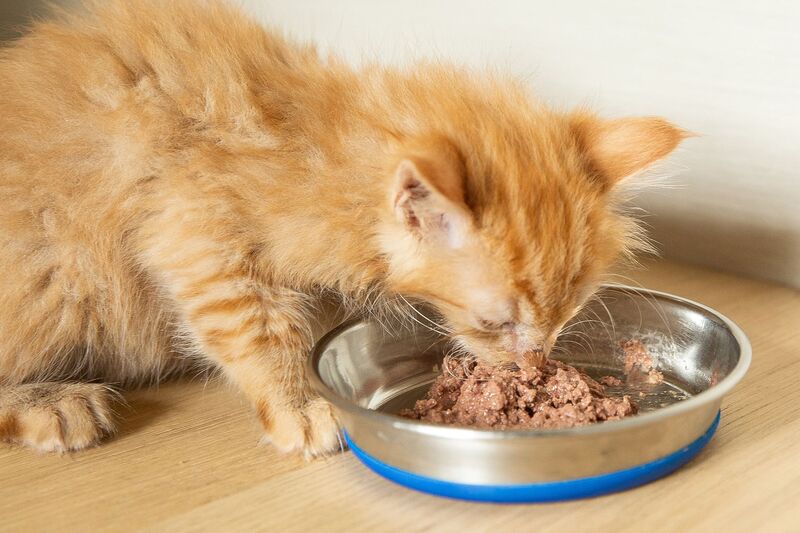
Nutrition is the cornerstone of a kitten’s healthy development, as it directly affects growth, energy, and overall well-being. Kittens have unique dietary needs compared to adult cats, requiring higher levels of protein, essential fats, and vital vitamins to support rapid growth and active energy demands. Wet food is excellent for hydration and palatability, while high-quality dry food can promote dental health. When selecting food, always check the ingredients list and choose options where meat is the primary ingredient, avoiding excessive fillers such as corn or soy. A carefully planned diet ensures your kitten develops strong muscles, a shiny coat, and a robust immune system, providing a solid foundation for lifelong health.
Feeding Schedule in Kitten Care
Establishing a consistent feeding schedule is crucial in kitten care. Because kittens have small stomachs but high energy needs, they should be fed 3–4 small meals per day until around six months old. After that, the frequency can gradually decrease to 2 meals per day, helping maintain a healthy metabolism. A consistent feeding schedule not only aids digestion but also makes potty training easier and reduces stress. Monitoring your kitten’s eating habits and adjusting portions based on growth and activity levels is essential to ensure they receive all the nutrients needed to thrive.
Monitoring Growth for Kitten Care
Regularly tracking your kitten’s growth is a key part of kitten care. Use a scale to weigh your kitten weekly and record any significant changes in weight or body condition. A kitten that fails to gain weight or loses weight unexpectedly may have underlying health issues that require veterinary attention. By carefully monitoring growth and providing proper nutrition, you can ensure that your routine supports healthy development, reducing the risk of malnutrition, stunted growth, or developmental delays.
Vaccines and Preventive Health in Kitten Care
Core Vaccines
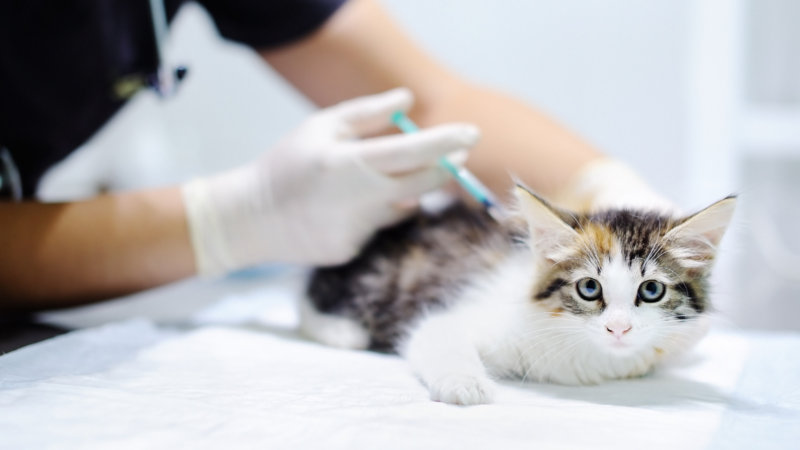
Vaccination is one of the most critical aspects of kitten care. Core vaccines protect kittens from potentially deadly diseases such as Feline Herpesvirus (FHV-1), Feline Calicivirus (FCV), and Feline Panleukopenia (FPV). These vaccines are usually administered starting at 6–8 weeks of age, with boosters every 3–4 weeks until the kitten reaches 16 weeks. Maintaining a vaccination schedule as part of kitten care not only safeguards your kitten’s health but also prevents the spread of contagious diseases to other cats in your household or community.
Non-Core Vaccines
In addition to core vaccines, certain kittens may benefit from non-core vaccines depending on their environment and lifestyle. These include Feline Leukemia Virus (FeLV) for kittens that may interact with other cats and the Rabies vaccine, which is often legally required. Including non-core vaccines in a kitten care routine provides extra protection for kittens at higher risk, ensuring they remain safe and healthy even when exposed to outside environments.
Parasite Prevention
Parasites such as fleas, ticks, and worms are common in kittens and can cause serious health issues if left untreated. Regular deworming and flea prevention should be incorporated into any responsible kitten care routine. Your veterinarian can provide a schedule for deworming, recommend appropriate medications, and ensure that parasite prevention aligns with vaccination and growth monitoring. A proactive approach to parasite control is essential for maintaining a healthy kitten and preventing infections or infestations.
Socialization and Behavioral Development
Handling and Gentle Interaction
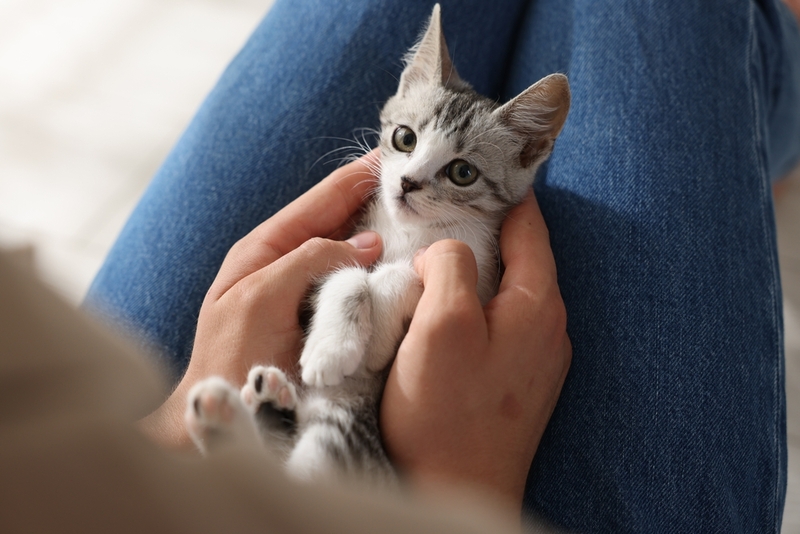
Early socialization is essential for raising a confident and well-adjusted kitten. Daily gentle handling—such as petting, brushing, and speaking softly—helps build trust and a strong bond. Gradual exposure to household noises, visitors, and new experiences allows kittens to develop resilience and reduces fearfulness. Consistent positive interaction supports healthy emotional growth and lays the foundation for a well-rounded, friendly cat.
Play and Mental Stimulation
Interactive play is crucial for physical fitness and cognitive development. Toys that mimic prey, climbing structures, and puzzle feeders provide mental stimulation while allowing kittens to practice hunting instincts safely. Regular playtime is an integral part of kitten care, preventing behavioral issues, encouraging exercise, and strengthening the human-animal bond.
Introducing Other Pets
If you have other pets, gradual introductions under controlled supervision are essential for effective kitten care. Start with scent swapping, limited visual exposure, and short supervised meetings to reduce stress and encourage positive relationships. Socialization during the first 12 weeks of life is particularly critical for shaping lifelong behavior and ensuring your kitten develops into a friendly, confident adult cat.
Grooming and Hygiene in Kitten Care
Brushing and Coat Maintenance
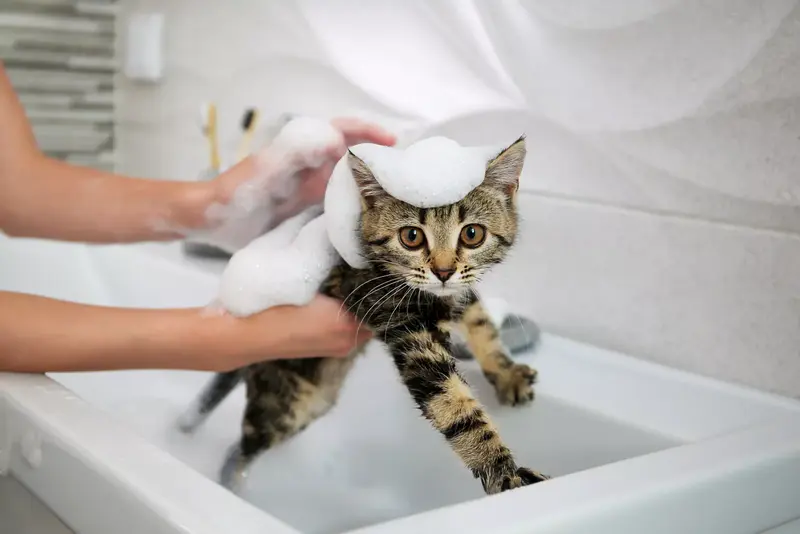
Regular grooming is a core element of kitten care. Brushing removes loose fur, prevents hairballs, and provides an opportunity to check for skin conditions or parasites. Even short-haired kittens benefit from grooming routines, which also help them become accustomed to handling.
Nail Trimming and Paw Care
Introducing nail trimming early is part of responsible kitten care. Short, well-maintained nails prevent scratches and furniture damage, and help your kitten feel comfortable during handling. Using appropriate cat nail clippers and positive reinforcement makes this process stress-free.
Litter Box Training
Proper litter box placement and cleanliness are crucial to kitten care. Place boxes in quiet, accessible areas, clean them daily, and use low-sided boxes for young kittens. Positive reinforcement, such as gentle praise after successful use, helps establish good bathroom habits and contributes to overall well-being.
Creating a Safe Environment for Kitten Care
Kitten-Proofing Your Home
Safety is a fundamental part of kitten care. Remove hazards such as electrical cords, small objects that can be swallowed, toxic plants, and chemicals. Secure windows and balconies to prevent falls, and create spaces where kittens can explore safely.
Comfortable Spaces
Kittens need cozy, secure areas to rest and feel safe. Providing beds, blankets, hiding spots, and vertical spaces like cat trees allows exercise, relaxation, and stress reduction. A thoughtfully arranged environment is a key component of comprehensive kitten care.
Monitoring Health and Growth in Kitten Care
Regular Veterinary Checkups
Routine veterinary visits are a cornerstone of kitten care. Checkups ensure vaccines are up to date, growth is on track, and early signs of illness are detected promptly. Your veterinarian can also provide guidance on diet, behavior, and preventive measures to keep your kitten healthy.
Recognizing Signs of Illness
Monitoring your kitten for symptoms such as lethargy, vomiting, diarrhea, or loss of appetite is an essential aspect of kitten care. Early detection and intervention can prevent minor health issues from becoming serious problems, ensuring your kitten grows strong and healthy.
Conclusion
A well-structured routine that includes proper feeding, vaccinations, socialization, grooming, and preventive health lays the foundation for a long, healthy, and happy life. Consistency and attention to your kitten’s needs foster trust, reduce stress, and promote healthy development. By investing in a comprehensive program from the start, you ensure your kitten thrives, develops good habits, and grows into a confident, well-adjusted adult cat.