Cat Urinary Tract Infection (UTI) is a common but often overlooked condition in cats. While humans frequently experience UTIs, cats can also suffer from urinary tract infections, which may affect the bladder, urethra, or, in severe cases, the kidneys. A UTI can be painful, cause behavioral changes, and lead to serious complications if left untreated. Recognizing the early signs and understanding the causes are critical for providing timely care. UTIs can occur in cats of any age or breed, but certain factors, such as dehydration, stress, diet, or underlying medical conditions, increase susceptibility. This guide explores everything cat owners need to know about UTIs, including symptoms, causes, diagnosis, treatment, complications, and prevention, helping you maintain your cat’s urinary health and overall well-being.
What Is a Cat Urinary Tract Infection (UTI)?
A Cat Urinary Tract Infection occurs when bacteria enter the urinary system, usually affecting the bladder (cystitis) or urethra. While UTIs are more common in female cats due to their shorter urethras, male cats are more at risk for complications, such as urinary blockages. The infection leads to inflammation, discomfort, and changes in urination patterns. Symptoms can be subtle at first, including slight changes in litter box habits, but may progress rapidly if ignored. UTIs can also be secondary to other conditions, such as bladder stones, kidney disease, or metabolic disorders. Understanding what a UTI is and recognizing its signs is essential for early intervention and effective treatment.
Common Symptoms of UTI in Cats
- Frequent Trips to the Litter Box
Frequent trips to the litter box are often one of the first noticeable signs of a UTI. Cats with urinary tract infections may attempt to urinate multiple times a day but produce only small amounts of urine each time. This behavior is caused by irritation and inflammation of the bladder lining. Owners may notice their cat spending prolonged periods in the litter box or pacing nearby, signaling discomfort. Early recognition of these changes allows for timely veterinary care, reducing the risk of more severe urinary complications.
- Straining or Difficulty Urinating
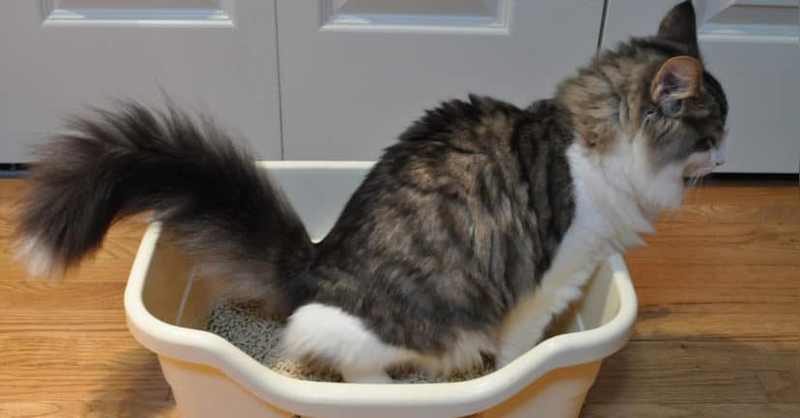
Straining while urinating is a clear indication that the cat’s urinary tract is inflamed or obstructed. Cats may adopt unusual postures in the litter box, appear tense, or vocalize in discomfort. Male cats, in particular, are at risk of urinary blockage, which is a medical emergency. Observing straining or difficulty urinating should prompt immediate veterinary evaluation to prevent potentially life-threatening complications.
- Blood in Urine
The presence of blood in the urine, whether pink, red, or dark-colored, is a significant warning sign. Blood can indicate a bacterial infection, bladder stones, or other urinary issues. Even a small amount of blood warrants veterinary attention. Ignoring this symptom can lead to worsening inflammation, increased pain, and risk of blockage or kidney infection. Early detection and treatment are critical for maintaining the cat’s urinary health.
- Vocalizing While Urinating
Cats may cry, yowl, or meow during urination if they are experiencing pain. This vocalization, often accompanied by restlessness or hiding, signals distress. Paying attention to these signs can help owners detect UTIs early, enabling timely treatment before the condition worsens.
- Urinating Outside the Litter Box
Avoidance of the litter box is a common behavioral response to pain during urination. Cats may urinate on beds, furniture, or floors, not out of misbehavior but due to discomfort associated with the litter box. Observing sudden changes in elimination patterns is crucial for early UTI detection.
- Excessive Licking of the Genital Area
Cats with UTIs often lick their genital area more frequently in an attempt to soothe irritation. Excessive licking can sometimes worsen inflammation or cause secondary infections. Monitoring this behavior can help owners identify a UTI early, allowing for prompt veterinary intervention.
Causes of Cat Urinary Tract Infection (UTI)
- Bacterial Infection
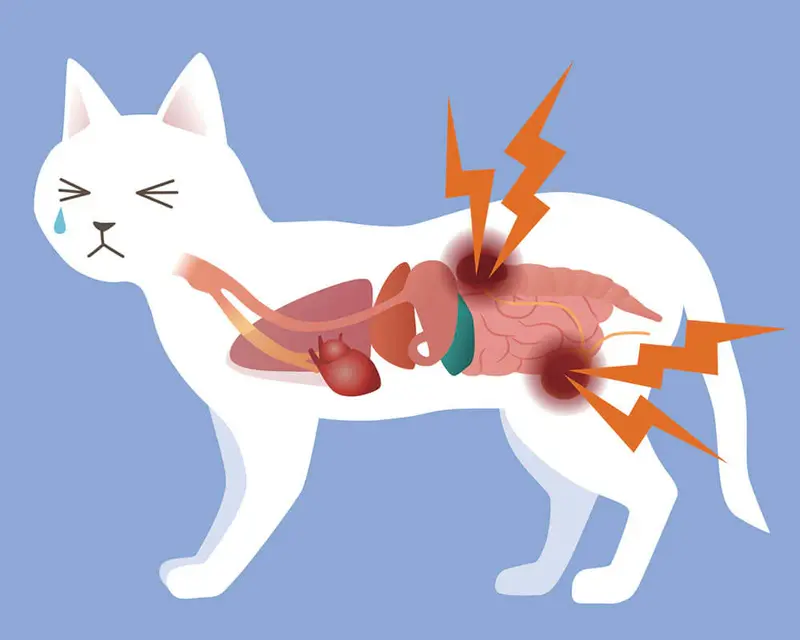
Bacterial infections are the primary cause of UTIs in cats. Bacteria can enter the urinary tract via the urethra and multiply in the bladder, causing inflammation. Cats with weakened immune systems or existing health problems are particularly vulnerable. Proper hygiene, hydration, and monitoring urinary habits can reduce the risk of bacterial infections.
- Bladder Stones or Crystals
Bladder stones or urinary crystals can irritate the bladder lining, facilitating bacterial growth. Struvite and calcium oxalate crystals are common in cats. These conditions may require special diets, increased hydration, or even surgical intervention to prevent recurrence.
- Poor Hydration
Cats naturally drink small amounts of water, and dehydration can increase the risk of UTIs. Concentrated urine promotes bacterial growth and crystal formation. Encouraging water intake through wet food, fountains, and multiple water bowls helps maintain urinary tract health.
- Underlying Health Conditions
Diabetes, kidney disease, obesity, and other chronic conditions can increase susceptibility to UTIs by compromising immune function and altering urine composition. Managing these conditions is critical for preventing urinary tract infections and supporting overall feline health.
- Stress and Environmental Factors
Stress contributes significantly to urinary tract problems. Environmental changes, introduction of new pets, or restricted access to litter boxes can trigger inflammation and idiopathic cystitis. Providing a stable environment with hiding spots, vertical spaces, and interactive play reduces stress-related urinary problems.
Diagnosing Cat Urinary Tract Infection (UTI)
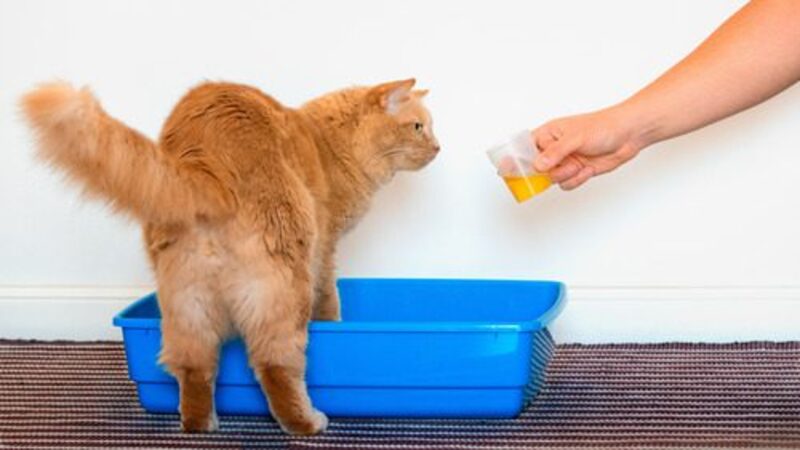
- Urinalysis for UTI in Cats
Urinalysis is a fundamental diagnostic test for detecting UTIs. It checks for bacteria, blood, crystals, and abnormal pH levels. This test helps differentiate UTIs from other urinary conditions and guides appropriate treatment. Regular monitoring can prevent serious complications like blockages or kidney infections.
- Urine Culture
A urine culture identifies the specific bacteria causing the infection, ensuring the right antibiotic is chosen. This prevents ineffective treatments, reduces the risk of recurrence, and supports long-term urinary health.
- Imaging Tests for Cat Urinary Health
X-rays or ultrasounds detect bladder stones, tumors, or structural abnormalities. Imaging is critical for identifying underlying causes of infection and ensuring comprehensive treatment.
Treatment for Cat Urinary Tract Infection (UTI)
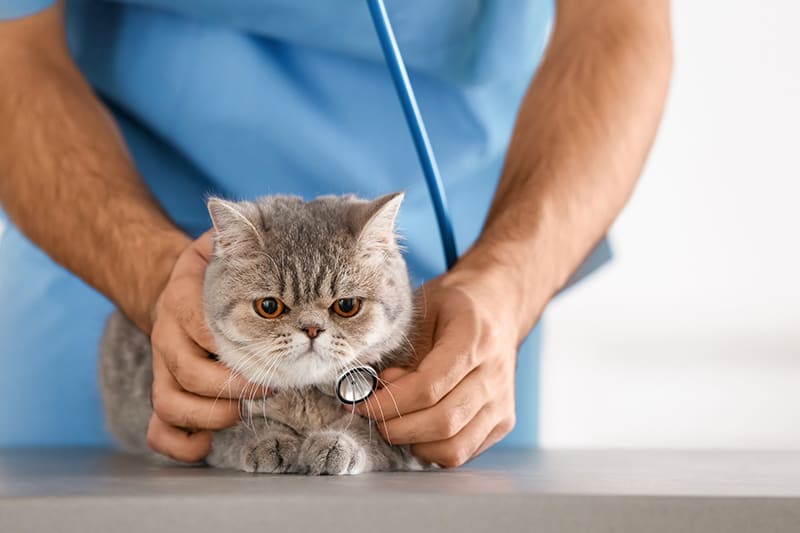
Antibiotics for UTI in Cats
Antibiotics are essential for treating bacterial UTIs. Completing the full course ensures all bacteria are eliminated and prevents recurrence. Follow-up tests may be required to confirm infection clearance.
Pain Relief and Anti-Inflammatory Medication
UTIs can be painful. Pain-relief and anti-inflammatory medications reduce discomfort and inflammation, aiding recovery. Managing pain improves the cat’s behavior and quality of life during treatment.
Increased Hydration
Encouraging water intake flushes bacteria from the urinary tract, dilutes urine, and supports healing. Hydration is a key preventive and therapeutic measure.
Special Urinary Diets
Prescription diets help dissolve crystals, maintain proper urine pH, and prevent recurrence. They are essential for cats with recurrent UTIs or bladder stones.
Treating Underlying Conditions
Managing conditions like diabetes or kidney disease is crucial to prevent recurring infections. Addressing root causes ensures long-term urinary health.
Complications of Cat Urinary Tract Infection (UTI)
Urinary Blockage in Cats
Urinary blockages, especially in male cats, are life-threatening. Symptoms include straining, vocalization, vomiting, and abdominal swelling. Immediate veterinary care is necessary.
Kidney Infection from UTI
Bacteria can spread to the kidneys, causing pyelonephritis. Symptoms include lethargy, fever, vomiting, and decreased appetite. Early treatment of UTIs prevents kidney complications.
Chronic or Recurring UTIs
Repeated infections can damage the bladder lining and increase the risk of stones. Long-term dietary management, hydration, and veterinary care help prevent recurrence.
Preventing Cat Urinary Tract Infection (UTI)
Encourage Proper Hydration
Proper hydration is one of the most important steps in preventing and treating Cat Urinary Tract Infections (UTIs). Cats are naturally low-water drinkers, and insufficient water intake can lead to concentrated urine, which promotes bacterial growth and increases the risk of crystal formation in the bladder. To keep your cat hydrated, provide multiple sources of fresh water throughout the home, such as water bowls placed in quiet areas and cat drinking fountains that encourage sipping. Incorporating wet food into your cat’s diet is another effective way to increase fluid intake, as wet food contains a high percentage of water. Some cats may prefer running water, so experimenting with fountain types or shallow dishes can help. Maintaining adequate hydration not only prevents UTIs but also supports overall kidney function and urinary tract health, making it a cornerstone of your cat’s well-being.
Maintain a Clean Litter Box
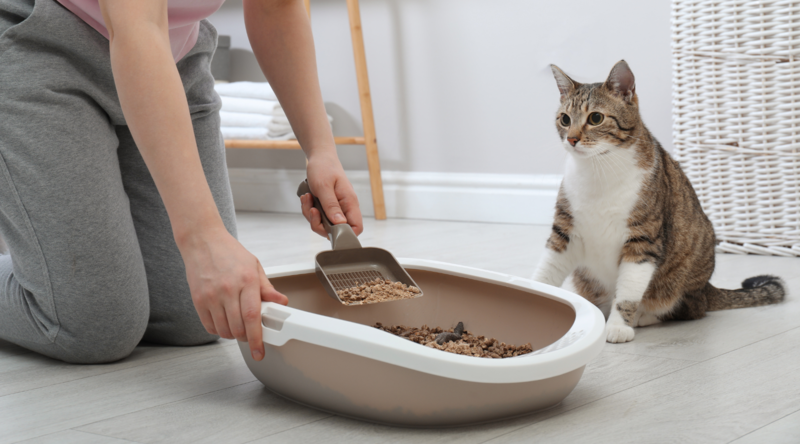
A clean and accessible litter box is essential for supporting cat urinary health and preventing infections. Cats are very particular about hygiene, and a dirty or overcrowded litter box can discourage urination, leading to stress and potential urinary issues. Regularly scooping waste, changing litter, and cleaning the box with mild, unscented cleaners reduces bacterial buildup and ensures your cat feels safe using it. The number of litter boxes should also match the number of cats in the household—ideally one per cat plus an extra—to avoid territorial conflicts. Providing litter boxes in quiet, low-traffic areas allows your cat to urinate comfortably and regularly, which is crucial for flushing the urinary tract. Clean litter boxes not only prevent UTIs but also reduce stress-related urination outside the box, supporting both physical and behavioral health.
Reduce Environmental Stress
Stress is a major contributing factor to urinary tract problems in cats. Environmental stress can come from changes in routine, introduction of new pets, loud noises, or restricted access to litter boxes, which may trigger idiopathic cystitis or exacerbate existing UTIs. To reduce stress, provide your cat with hiding spots, vertical perches, and safe spaces where it can retreat when feeling anxious. Engaging in regular interactive play and maintaining a consistent routine also helps cats feel secure. In multi-cat households, monitoring social dynamics and providing multiple litter boxes and feeding stations can prevent tension-related urinary issues. By minimizing stress, you can significantly lower the risk of urinary tract infections and improve your cat’s overall comfort and behavior.
Balanced Diet for Cat Urinary Health
A balanced diet is crucial for preventing urinary problems and maintaining long-term cat urinary health. Specialized prescription diets or commercially available urinary health foods are formulated to support proper urine pH, reduce crystal formation, and promote bladder health. Diets high in moisture, such as wet food, increase urine volume, which helps flush out bacteria and reduce irritation. Some cats may benefit from diets designed to dissolve specific types of crystals, such as struvite, or to prevent recurrence of bladder stones. Nutrition also impacts overall immunity, which plays a role in preventing infections. Consistently feeding your cat a diet that supports urinary health is an essential preventive strategy against recurrent UTIs and other urinary tract complications.
Regular Veterinary Checkups
Regular veterinary visits are a key component of maintaining your cat’s urinary tract health and overall well-being. Routine checkups allow veterinarians to detect early signs of infection, crystal formation, or underlying health conditions that could contribute to UTIs. During examinations, your vet may perform urinalysis, blood tests, and physical evaluations to monitor kidney and bladder function. Regular checkups also provide an opportunity to discuss diet, hydration, and stress management strategies tailored to your cat’s needs. Early intervention through preventive veterinary care reduces the risk of serious complications, including urinary blockages, kidney infections, or chronic inflammation. Ensuring your cat receives consistent medical attention helps maintain comfort, longevity, and urinary health.
Conclusion
Cat Urinary Tract Infection (UTI) is a serious condition that requires early recognition and prompt treatment. Understanding symptoms, causes, and prevention strategies can help cat owners protect their pets from pain, blockages, and kidney complications. Proper hydration, stress management, a balanced diet, and regular veterinary care are the pillars of maintaining healthy urinary function in cats. Observing subtle behavioral changes, such as straining, frequent litter box visits, or vocalization during urination, is essential for early intervention. With proactive care, you can ensure your cat remains comfortable, healthy, and free from urinary tract infections.