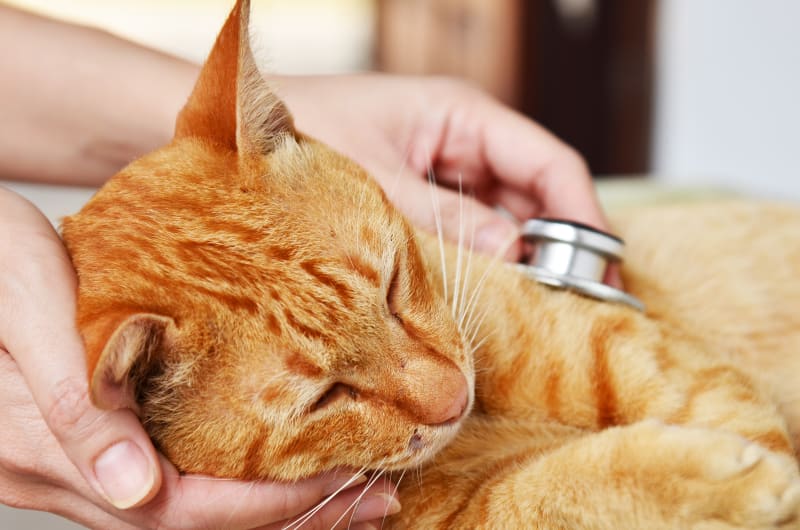
Cats are naturally good at hiding pain and discomfort, a survival trait inherited from their wild ancestors. Because of this, it can be challenging for pet owners to recognize when their cat is sick. However, noticing subtle signs early can make a huge difference in treatment outcomes—and may even save your cat’s life. Whether it’s a change in eating habits, odd behaviors, or physical symptoms, paying close attention to your cat’s daily routine is essential. In this guide, we’ll walk you through the most common signs that your cat is sick and how to respond effectively.
Changes in Appetite and Drinking Habits: Early Signs Your Cat Is Sick
Loss of Appetite
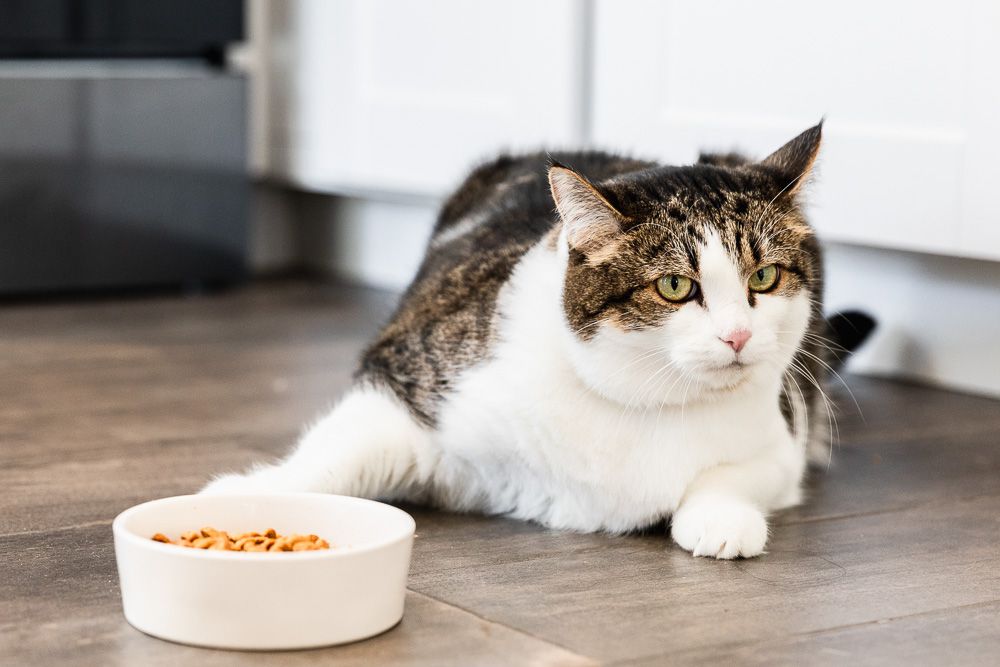
A sudden decrease in appetite is one of the most common early indicators that a cat is sick. Cats are typically consistent eaters, so any significant drop in their food intake should raise concern. Dental pain, digestive issues, infections, or serious systemic problems can cause appetite loss. If your cat refuses food for more than 24–48 hours, it’s time to investigate further.
Increased or Decreased Thirst
Changes in water consumption can also signal that your cat is sick. Excessive thirst can point to diabetes or kidney disease, while drinking less than usual may indicate dehydration or discomfort. Monitoring your cat’s water bowl and litter box activity can provide valuable clues about their health.
Behavioral Changes That Suggest Your Cat Is Sick
Lethargy or Reduced Activity
If your typically active cat suddenly becomes lethargic, sleeps more than usual, or avoids playtime, it may be a sign of illness. Lethargy can be linked to infections, pain, or chronic conditions such as heart or kidney disease. Observing your cat’s energy levels daily can help you detect early changes before they escalate.
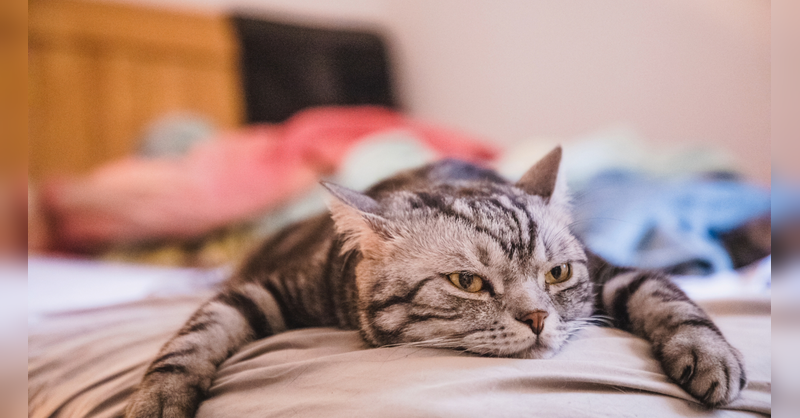
Hiding or Avoidance
Cats often retreat to quiet, hidden spots when they feel unwell. While occasional hiding is normal, frequent or prolonged hiding could indicate discomfort or stress. Pay attention to areas your cat chooses for hiding and note any new patterns.
Aggression or Irritability
Sudden aggression toward humans or other pets is another sign that your cat may be experiencing pain. Even a normally calm cat can display irritability when feeling unwell. Monitor interactions closely and avoid forcing contact if your cat is showing signs of distress.
Physical Symptoms and Health Changes That Indicate Your Cat Is Sick
Weight Loss or Gain
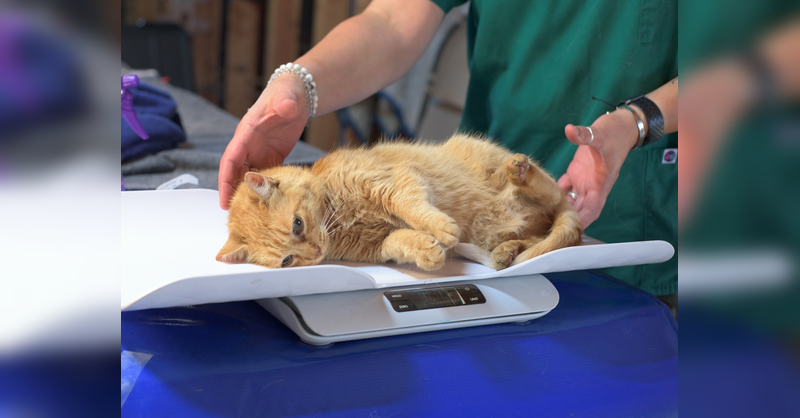
Unexpected weight changes are important indicators of underlying health issues. Rapid weight loss can point to hyperthyroidism, kidney disease, or diabetes, while unexplained weight gain may indicate hypothyroidism or overfeeding. Regularly weighing your cat and comparing results over time helps detect these problems early.
Coat and Skin Changes
A dull, greasy, or matted coat, excessive shedding, or bald spots can signal health concerns ranging from skin infections to nutritional deficiencies. Healthy cats typically groom themselves regularly, so changes in grooming habits can also reveal illness or discomfort.
Vomiting or Diarrhea
While occasional vomiting can be normal, frequent vomiting or diarrhea warrants attention. Persistent gastrointestinal issues may indicate infections, food intolerances, parasites, or chronic diseases. Monitor your cat’s litter box and stool consistency for early signs of problems.
Bad Breath or Oral Issues
Foul-smelling breath, drooling, difficulty eating, or pawing at the mouth can indicate dental disease, infections, or other oral health issues. Dental problems can quickly worsen if left untreated, so early detection is key.
Changes in Urination and Defecation
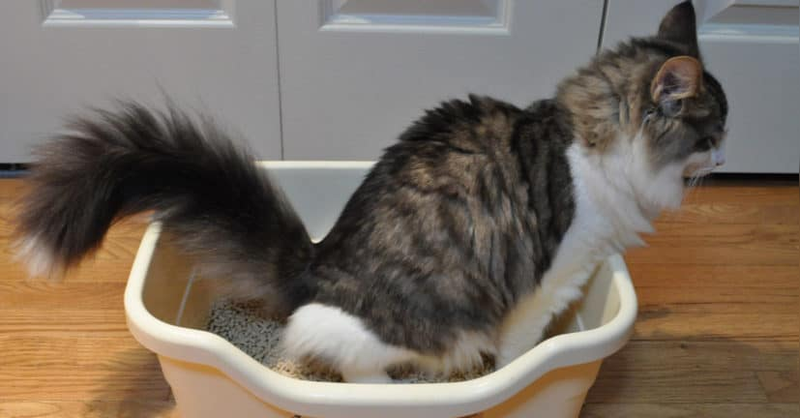
Difficulty Urinating or Straining an early sign of Illness in Cats
Urinary issues are particularly serious in cats, especially male cats, as blockages can become life-threatening. Signs include frequent trips to the litter box, straining, or blood in the urine. Immediate veterinary attention is essential if these symptoms appear.
Changes in Litter Box Habits is a Common Symptoms of Illness in Cats
Cats are generally very consistent with litter box use. Any sudden change, such as urinating or defecating outside the box, may indicate illness, stress, or behavioral issues. Tracking litter box habits can help you detect early problems.
Respiratory and Eye Symptoms is Key to Detecting Illness in Cats
Sneezing, Coughing, or Labored Breathing
Persistent sneezing, coughing, or difficulty breathing can be signs of respiratory infections, asthma, or other serious conditions. Pay attention to wheezing, open-mouth breathing, or unusual sounds while your cat is at rest.
Discharge or Redness in Eyes and Nose
Watery, thick, or colored discharge from the eyes or nose, squinting, or redness can indicate infections, allergies, or eye problems. Early detection can prevent worsening conditions and the spread of contagious diseases if you have multiple cats.
When Illness in Cats Requires Immediate Veterinary Care
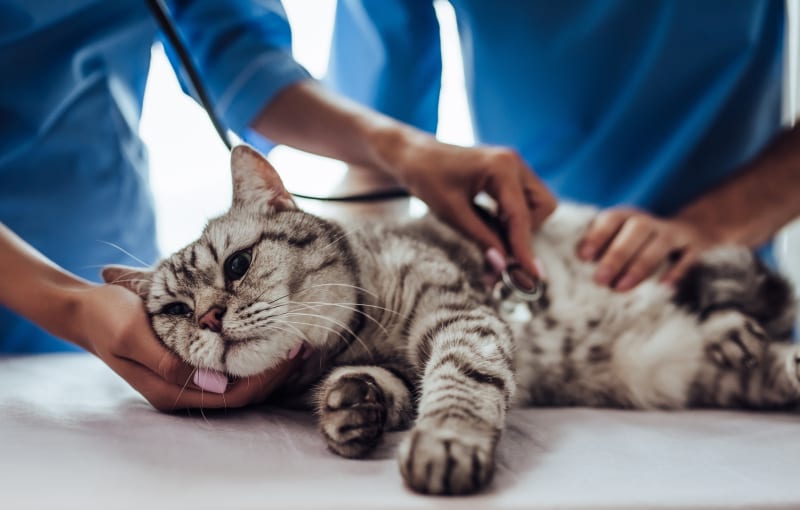
Even subtle changes in your cat’s behavior, appearance, or habits should not be ignored. Persistent loss of appetite, lethargy, weight changes, vomiting, or unusual behavior are all reasons to schedule a veterinary appointment. Early detection allows for faster treatment and often better outcomes. Regular vet visits, at least once a year for healthy cats and more frequently for older or sick cats, are recommended.
Tips for Monitoring Your Cat’s Health at Home
- Daily Observation: Track appetite, litter box use, energy levels, and grooming habits.
- Weight Tracking: Weigh your cat regularly to detect subtle changes.
- Behavioral Notes: Keep a notebook of any behavioral changes, hiding, or aggression.
- Routine Checkups: Schedule regular veterinary visits for preventive care.
- Vaccinations and Parasite Prevention: Stay up-to-date with vaccines and flea/worm treatments.
Conclusion
Cats are experts at concealing illness, but careful observation can help you catch problems early. By monitoring appetite, behavior, physical appearance, and litter box habits, you can detect subtle signs of disease and ensure your cat receives timely medical care. With vigilance and proactive care, your feline companion can enjoy a longer, healthier, and happier life.