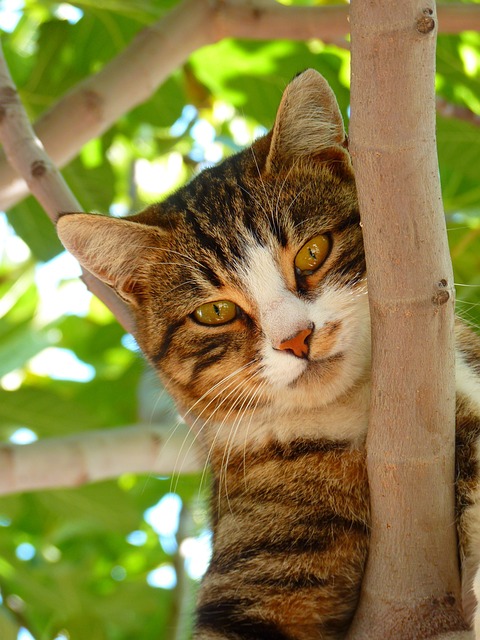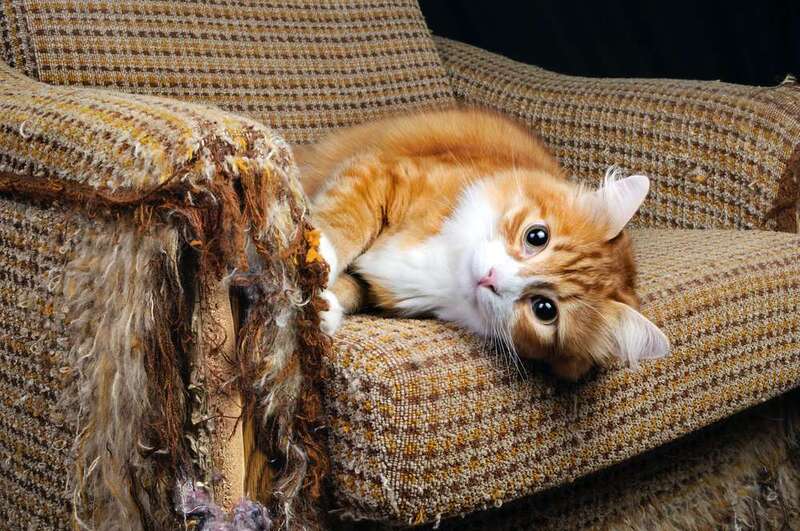
Cats are adorable, playful, and often independent creatures—but their scratching behavior can be a source of frustration for many cat owners. If your furniture shows claw marks, frayed corners, or torn upholstery, you’re not alone. Scratching is a completely natural behavior for cats, yet it can feel destructive. Understanding why cat scratch furniture, how to prevent damage, and how to satisfy their instincts is essential for maintaining harmony between you and your feline companion.
Understanding Why Cat Scratch
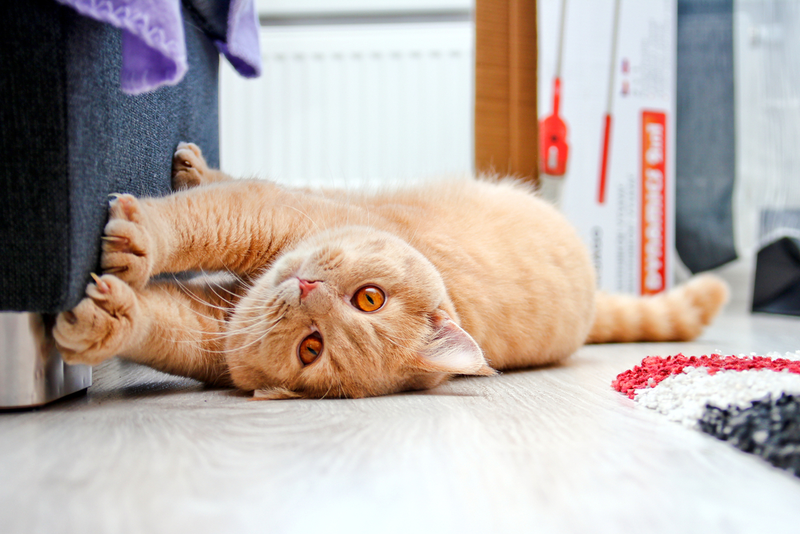
Scratching is more than just a quirky habit. It is an instinctive behavior with several important purposes for cats:
1. Cat Scratch to Mark Territory
Cats have scent glands located in their paw pads. When they scratch a surface, they leave both a visual mark and a scent marker. This behavior communicates ownership to other animals and provides your cat with a sense of security in their environment. In multi-cat households, territorial marking is especially important to prevent conflict.
2. Cats Scratch to Sharpen and Care for Their Claws
Scratching helps cats remove the worn outer layer of their claws, keeping them sharp and healthy. Without regular scratching, claws can become overgrown, curled, or painful, potentially leading to health issues. By scratching furniture, cats are essentially grooming themselves in the most natural way.
3. Stretching Muscles
Scratching provides physical exercise. It stretches the muscles in a cat’s shoulders, back, and front legs while strengthening tendons. This is particularly important for indoor cats that may not get as much movement as outdoor cats. Scratching is an essential part of maintaining flexibility and mobility.
4. Cat Scratch to Relieve Stress and Express Emotions
Cats may scratch to release stress, boredom, or excess energy. If a cat feels anxious, frustrated, or understimulated, scratching can provide a calming effect. Environmental enrichment and interactive play can help reduce stress-related scratching.
5. Communication and Play
In some cases, scratching is a form of communication or play. Cats may scratch to invite interaction or to engage in a playful activity. Recognizing when scratching is playful versus habitual helps owners respond appropriately.
Signs That Your Cat Needs a Scratching Outlet
Not all scratching behavior is obvious. Keep an eye out for these indicators:
- Torn or frayed furniture edges
- Scratches on walls, doors, or carpets
- Excessive clawing on corners of furniture
- Restlessness or pacing near furniture
- Frequent rubbing of paws against surfaces
These signs indicate that your cat’s instinct to scratch is unmet, and providing suitable alternatives is necessary.
How to Prevent Cats from Scratching Furniture
Fortunately, there are several effective ways to redirect your cat’s scratching behavior without punishing them:
1. Provide Scratching Posts and Pads
Invest in vertical and horizontal scratching posts made of materials cats enjoy, such as sisal, corrugated cardboard, or carpet. Place them near areas your cat tends to scratch. Some cats prefer tall posts they can fully stretch on, while others enjoy low horizontal pads. Experiment to see what your cat prefers.
2. Encourage Healthy Scratching with Catnip and Toys
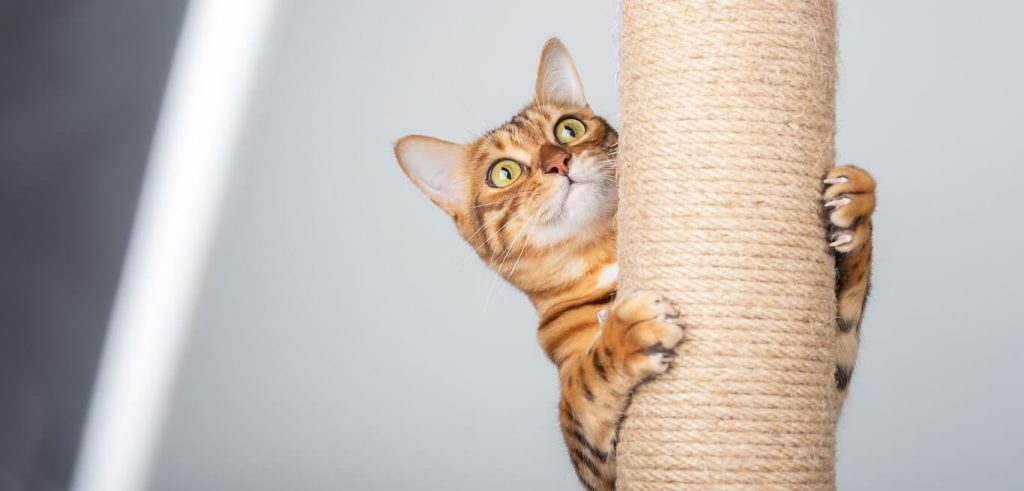
Sprinkling catnip on scratching posts or placing interactive toys nearby encourages cats to use their designated scratching areas. Wand toys, laser pointers, or small balls can also redirect attention away from furniture.
3. Deterring Cats from Scratching Your Furniture
Use safe deterrents to discourage furniture scratching:
- Double-sided tape: Cats dislike sticky textures.
- Citrus sprays: Cats are generally repelled by citrus scents.
- Furniture covers or slipcovers: Protects upholstery and reduces damage.
4. Regular Nail Care: Minimize Cats Scratch Damage
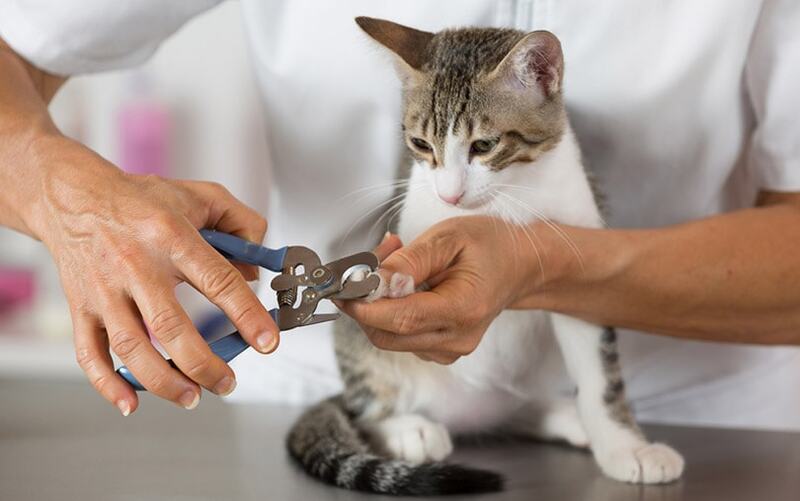
Trimming your cat’s claws reduces the damage caused by scratching. Use a proper cat nail trimmer and be careful not to cut into the quick. If you’re unsure, ask a veterinarian or professional groomer for guidance.
5. Positive Reinforcement
Reward your cat with treats, praise, or affection when they use a scratching post. Cats respond well to positive reinforcement, which encourages repeat behavior and helps establish good habits. Avoid punishment, as this can increase stress and worsen undesirable behaviors.
6. Create Enriched Environments to Reduce Cats Scratching
Provide plenty of vertical spaces, perches, and climbing areas. Cat trees, shelves, and window perches can reduce boredom, encourage play, and satisfy scratching instincts. Environmental enrichment helps redirect energy away from furniture and toward healthy outlets.
7. Consider Soft Claw Caps
For owners struggling with furniture damage, soft vinyl claw caps (applied over cat claws) can prevent scratching from causing harm. These are temporary, safe, and do not impede normal claw growth or movement.
Understanding Your Cat’s Preferences
Each cat has unique preferences when it comes to scratching. Observe your cat to learn:
- Preferred surfaces (carpet, wood, cardboard, sisal)
- Scratching style (vertical vs. horizontal)
- Preferred location (living room, near windows, by their bed)
Catering to these preferences increases the likelihood that your cat will use designated scratching areas rather than furniture.
Common Mistakes Owners Make When Cats Scratch
- Punishing when Cat scratch: Cats don’t understand punishment. Yelling, spraying, or hitting will create fear and anxiety, not behavioral change.
- Providing the Wrong Post: A small or unstable scratching post may be ignored. Make sure it’s tall or long enough for full-body stretches and stable enough to withstand forceful scratching.
- Ignoring Underlying Stress: Scratching may signal anxiety or lack of stimulation. Consider whether your cat needs more play, social interaction, or a quieter environment.
The Benefits of Satisfying Scratching Instincts
When you provide appropriate scratching outlets, your cat benefits physically and emotionally:
- Healthier claws and paws
- Reduced stress and anxiety
- More exercise and flexibility
- Protection for your furniture and home
Meeting your cat’s natural scratching needs creates a harmonious environment for both owner and pet.
Conclusion
Scratching is a natural, healthy, and instinctive behavior for cats. Understanding why cats scratch—whether to mark territory, sharpen claws, stretch muscles, relieve stress, or play—helps owners respond effectively. By providing suitable scratching posts, using deterrents, trimming claws, and offering positive reinforcement, you can protect your furniture without denying your cat its natural instincts. A little effort in observing and accommodating your cat’s behavior goes a long way toward a happy, balanced, and scratch-free home.