Understanding a cat’s response to music and sound provides fascinating insights into their behavior and emotional state. Cats are highly sensitive to auditory stimuli, and the sounds in their environment can significantly affect their mood, stress levels, and even physical health. From calming melodies to sudden loud noises, a cat’s reaction reveals important clues about their comfort, curiosity, and overall well-being. In this article, we examine cat response to different types of sounds and explore how owners can use music and auditory stimuli to create a more enriching and stress-free environment for their feline companions.
How Cats React to Music
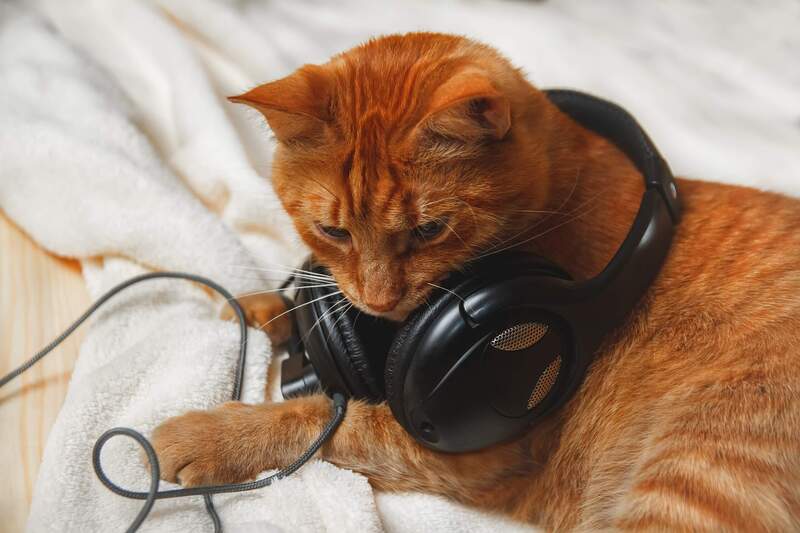
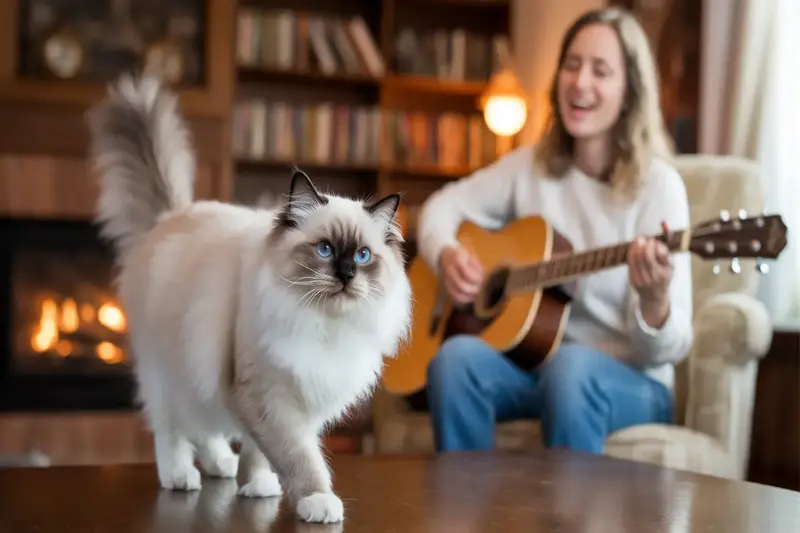
Cats perceive music differently from humans. While classical or soft instrumental music often soothes them, loud, chaotic, or high-pitched sounds can cause stress. Studies show that cats respond positively to music specifically composed for felines, which often includes purring sounds and tempos similar to a cat’s heart rate. Observing a cat’s response to music can help owners identify which melodies promote relaxation, reduce anxiety, and encourage playfulness.
The Impact of Sound on Cat Behavior: Understanding Cat Response
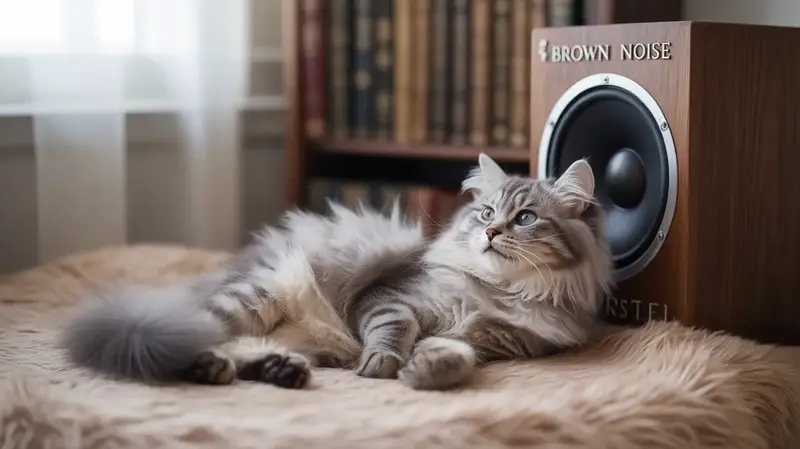
Beyond music, everyday sounds in the environment affect a cat’s behavior. Cats are extremely sensitive to sudden noises like vacuum cleaners, thunderstorms, or loud conversations. Such sounds may trigger hiding, hissing, or pacing. On the other hand, gentle household noises—like a soft radio or the sound of running water—can be comforting. Understanding your cat’s response to sound helps you create a calm and secure home environment.
Using Music to Reduce Stress
Playing calming music for your cat can have real health benefits. Cats respond to music and sound by lowering their heart rate, reducing stress-related behaviors, and even improving appetite. Soft instrumental music or music designed for cats encourages relaxation, making it ideal during stressful events such as vet visits or when introducing a new pet to the home. Music can also be a useful tool to help shy or anxious cats feel more confident in their surroundings.
Encouraging Play and Engagement Through Sound
Cats often react energetically to playful or curious sounds, like crinkling paper, jingling bells, or certain digital tones. By observing a cat’s response to sound, owners can identify which auditory stimuli motivate exploration and interaction. Using these sounds during playtime not only entertains the cat but also provides mental stimulation and physical exercise, which are crucial for their overall well-being.
Signs of Positive and Negative Cat Response to Music and Sound
Recognizing your cat’s reaction to music and sound is essential. Positive responses include purring, kneading, relaxed posture, or approaching the sound source. Negative responses may include hiding, tail flicking, flattened ears, or sudden agitation. Tracking your cat’s response to music and sound allows you to fine-tune the auditory environment to match their preferences, ensuring a happier and healthier pet.
Conclusion
The way cats react to music and sound reveals a lot about their emotions, comfort levels, and personality. By paying attention to a cat’s response to music and sound, owners can reduce stress, encourage play, and create a more enriching home environment. Whether it’s soft melodies for relaxation or playful tones for stimulation, understanding how sound affects your feline friend can significantly enhance their quality of life.