Cats rely heavily on their vision, so any eye problem can quickly affect their comfort and wellbeing. Cat eye drops are a common treatment for irritated or infected eyes, but it’s essential to know when and how to use them safely. Administering the wrong drops or using them improperly can worsen the problem. Always consult your veterinarian before applying any medication. This guide will help you understand cat eye drops, why they are needed, and how to use them effectively.
What Are Cat Eye Drops?
Eye drops are specially formulated liquids designed to be applied directly to the surface of a cat’s eyes. Their purpose can vary—they may soothe irritation, lubricate dry eyes, flush out allergens, or treat infections. Some eye drops are purely for comfort, while others contain medications such as antibiotics or anti-inflammatories to address specific conditions. Because cats’ eyes are very sensitive and anatomically different from human or dog eyes, it is crucial to only use drops formulated for cats or prescribed by a veterinarian.
How to Recognize When Your Cat Needs Eye Drops
Your cat cannot tell you when their eyes are uncomfortable, so you need to watch for behavioral and physical signs. Symptoms of eye problems may include:
- Swelling or inflammation around the eye
- Discharge that is watery, yellow, green, or crusty
- A raised or visible third eyelid
- Partially closed eyes or squinting
- Frequent pawing at the eyes or rubbing them on surfaces
- Excessive tearing
Even minor signs of eye irritation can indicate a more serious underlying condition. Prompt veterinary attention is crucial to prevent complications such as infections or ulcers. Observing your cat regularly and noting changes in their eyes or behavior can help catch issues early.
Common Reasons Cats Need Eye Drops
There are several conditions and illnesses that may require eye drops. Some of these are mild and temporary, while others need urgent veterinary attention.
Cat Flu
Cat flu is a viral infection that often causes eye inflammation, redness, and discharge. In some cases, it can progress to eye ulcers, which are painful and can threaten vision if untreated. While eye drops may help alleviate discomfort and prevent secondary infections, they do not cure the viral infection itself. Most cats with mild flu recover at home with supportive care, but severe cases may require antibiotics or hospitalization. Veterinary guidance is essential to ensure the correct treatment plan.
Allergies
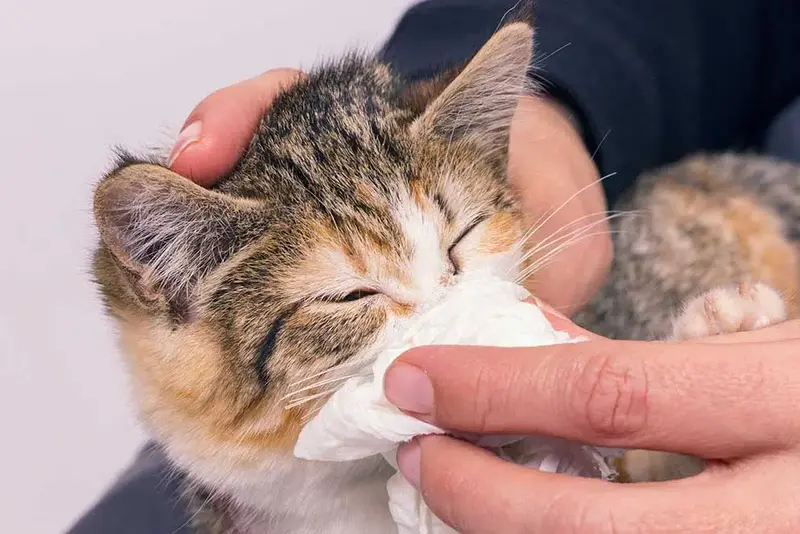
Cats, like humans, can suffer from environmental or food allergies. Allergic reactions can manifest as itchy, watery, or red eyes. Your veterinarian may recommend eye drops to help flush out allergens and relieve irritation. Persistent or worsening symptoms should always be reassessed by a vet to rule out infections or other complications.
Bacterial Conjunctivitis
Bacterial infections of the eye, known as conjunctivitis, are common in cats and can occur alongside viral infections or allergies. Antibiotic eye drops or ointments prescribed specifically for cats are used to target the infection. Treating bacterial conjunctivitis promptly is important to prevent it from spreading or causing more serious eye damage.
Scratches and Minor Injuries
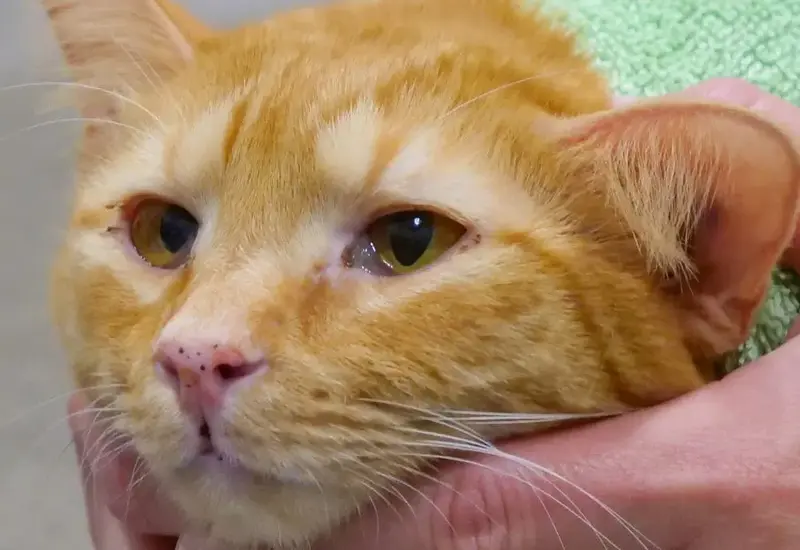
Cats are naturally curious and sometimes get into scuffles that result in eye scratches. Even minor scratches can become infected if untreated. Eye drops sometimes combined with antibiotic ointmentscan reduce pain and prevent infection. However, any scratch should be examined by a veterinarian to ensure it doesn’t lead to ulcers or deeper eye damage.
Eye Ulcers
Eye ulcers can develop from scratches, viral infections, or other underlying conditions. They may be visible or hidden beneath the surface, and they often cause severe discomfort, tearing, and discharge. Prompt veterinary treatment is critical because untreated ulcers can worsen quickly, potentially leading to rupture or permanent vision loss.
Choosing the Right Eye Drops for Your Cat
Selecting the correct eye drops depends on the type and severity of the condition. Veterinarians may recommend several types:
Antibiotic Eye Drops
If your cat has a bacterial infection or is at risk of developing one, antibiotic drops may be prescribed. These help eliminate the infection and prevent it from spreading. It’s vital to use only the antibiotics prescribed for your cat, as the wrong type can be ineffective or harmful.
Lubricating Eye Drops
For minor irritations, mild scratches, or dry eyes, lubricating drops can provide relief by washing away debris, reducing inflammation, and keeping the eye moist.
Medicated Anti-inflammatory Drops
Certain eye conditions involve inflammation that requires specialized medicated drops. These should only be used under veterinary guidance, as using anti-inflammatory drops on scratched or ulcerated eyes can worsen the condition.
Can You Use Human Eye Drops on Cats?
Cats’ eyes are very different from human eyes, and most human eye drops are unsafe for them. Some human eye drops may contain preservatives or active ingredients that are toxic to cats. Only use human drops if specifically recommended by a veterinarian, and never apply any medication without professional guidance. Even minor irritations should be evaluated by a vet before attempting treatment at home.
Where to Get Eye Drops for Cats
Eye drops can be purchased from veterinary clinics, pet pharmacies, or online, but it’s essential to consult your veterinarian first. They can diagnose the issue accurately and recommend the correct medication. Using the wrong type of eye drops may worsen the problem, delay healing, or even harm your cat’s vision.
How to Apply Eye Drops to Your Cat
Administering eye drops can be tricky, especially if your cat is nervous. The following steps can help:
- Familiarize Your Cat
Allow your cat to sniff and inspect the bottle. Giving a treat during this process can create a positive association. - Find a Comfortable Position
Depending on your cat’s temperament, place them on your lap or a secure surface. Make sure your cat is calm and supported. - Apply the Drops Carefully
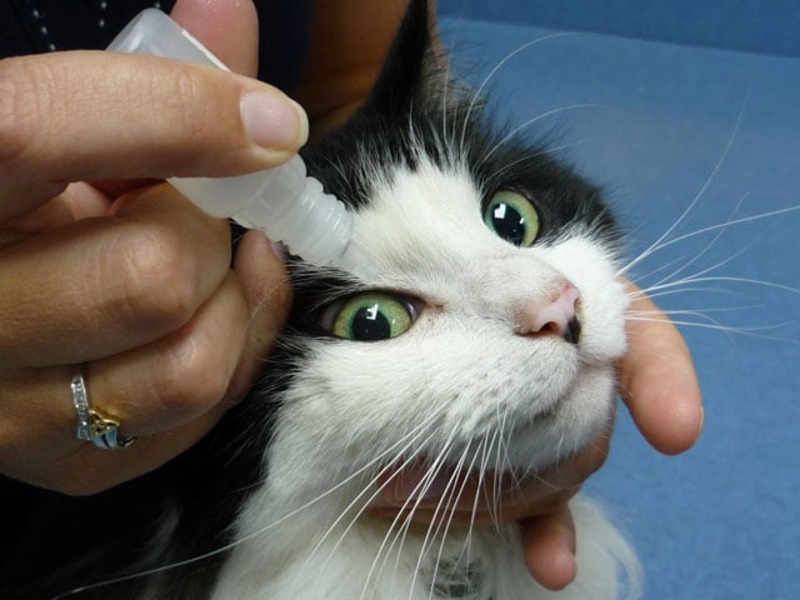
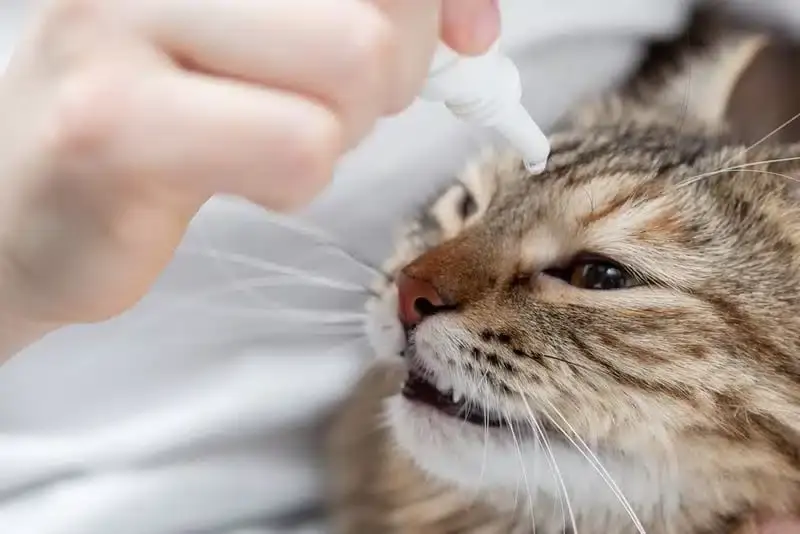
Hold the eyelid gently open with one hand. Position the dropper above the eye without touching it, and squeeze the prescribed number of drops onto the eye. If using ointment, apply a small amount along the inner eyelid. - Reward Your Cat
Give treats and gentle praise after the application to reinforce positive behavior.
If you encounter difficulties or your cat becomes too stressed, consult your veterinarian. They may demonstrate the correct technique or suggest alternative treatments.
Final Thoughts
Eye problems in cats can range from minor irritations to serious conditions requiring urgent care. Using the correct eye drops, following veterinary guidance, and monitoring your cat closely can make a significant difference in their recovery and comfort. Never attempt to self-medicate your cat with human products, and always consult a professional if you notice any changes in their eyes or behavior.
For more information on eye health in cats, including infection prevention and treatment options, explore our guide on cat eye infections. Your cat’s vision and comfort are worth the careful attention.