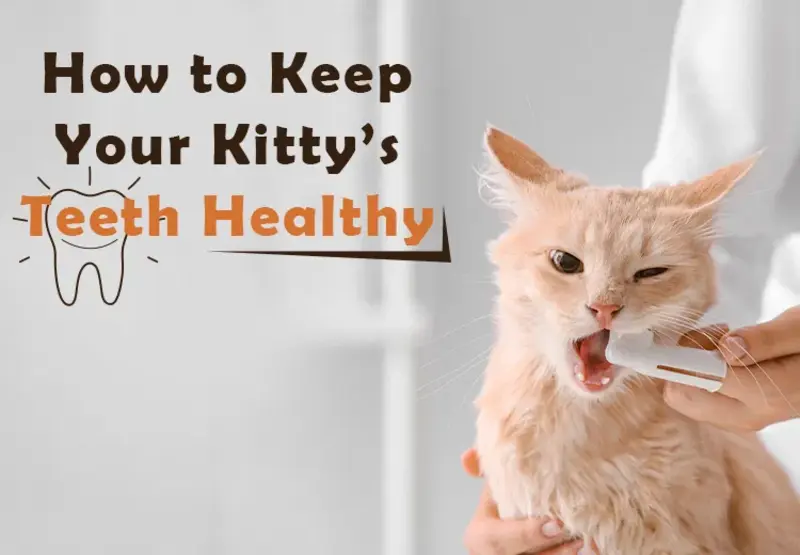
Dental health is a crucial aspect of overall feline wellness, yet it is often overlooked by cat owners. Unlike humans, cats rarely show obvious signs of dental discomfort, which means oral health issues can progress silently. Poor dental hygiene in cats can lead to painful conditions such as gingivitis, periodontal disease, tooth resorption, and even systemic health problems affecting the heart, liver, and kidneys. Understanding how to care for your cat’s teeth, recognizing early warning signs, and establishing a regular cat dental care routine are essential steps in ensuring your feline companion lives a healthy and comfortable life.
Understanding Cat Dental Health
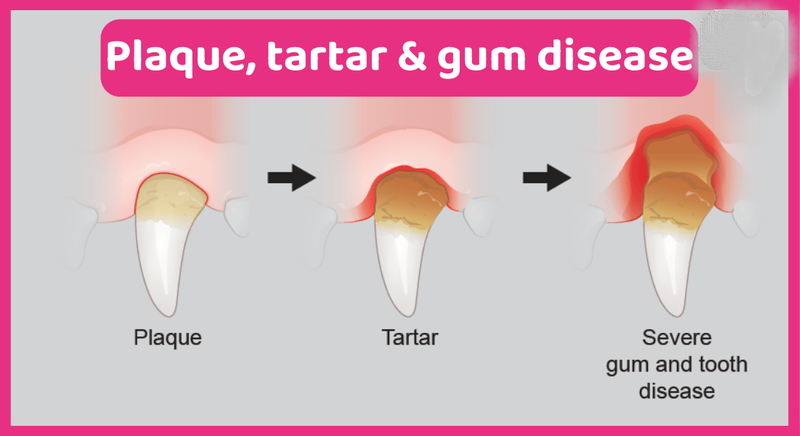
Cats, like humans, are susceptible to a variety of dental issues. Gingivitis, the inflammation of the gums, is often the earliest sign of dental disease and can progress to periodontitis if untreated. Periodontal disease affects the tissues supporting the teeth, potentially leading to tooth loss and chronic pain. Another common condition is tooth resorption, where the tooth structure begins to break down and is absorbed by the body—a particularly painful issue often requiring extraction. Cats may also develop oral infections, abscesses, and tartar buildup if proper care is neglected. Since cats are masters at hiding discomfort, early detection of dental problems requires careful observation of subtle behavioral and physical signs.
Maintaining dental health in cats is not just about preventing oral pain. Studies have shown that untreated dental disease can lead to serious systemic health issues. Bacteria from infected gums can enter the bloodstream, potentially affecting vital organs such as the heart and kidneys. Therefore, investing time and effort into dental care is not merely cosmetic; it is a crucial component of holistic feline health.
Signs Your Cat May Have Dental Problems
Unlike humans, cats do not always vocalize dental pain. Instead, they may exhibit subtle behavioral and physical changes that indicate discomfort. Bad breath, or halitosis, is often the first noticeable sign of oral health issues. Cats may also show reluctance to eat dry food, chew on one side of the mouth, or drop food while eating. Excessive drooling, pawing at the mouth, or irritability when touched near the face can also indicate dental pain. Swollen, red, or bleeding gums are clear visual signs that require immediate veterinary attention. Additionally, weight loss and decreased grooming can be indirect indicators that a cat is experiencing oral discomfort.
Observing your cat regularly and noting changes in eating habits, behavior, or oral appearance can help detect dental problems early. Routine veterinary checkups are essential, as many dental issues can be missed without a professional examination, particularly those occurring below the gumline or within the teeth themselves.
Daily Dental Care: Brushing Your Cat’s Teeth
Brushing your cat’s teeth is the gold standard in preventing dental disease. Although it may seem challenging, with patience and gradual training, many cats can tolerate or even enjoy daily brushing. Start by introducing your cat to the toothbrush and toothpaste slowly. Use a cat-specific toothbrush and toothpaste, as human toothpaste can be toxic to cats. Begin with a few seconds of brushing and gradually increase the duration over time. Focus on the outer surfaces of the teeth, particularly near the gumline, where plaque tends to accumulate.
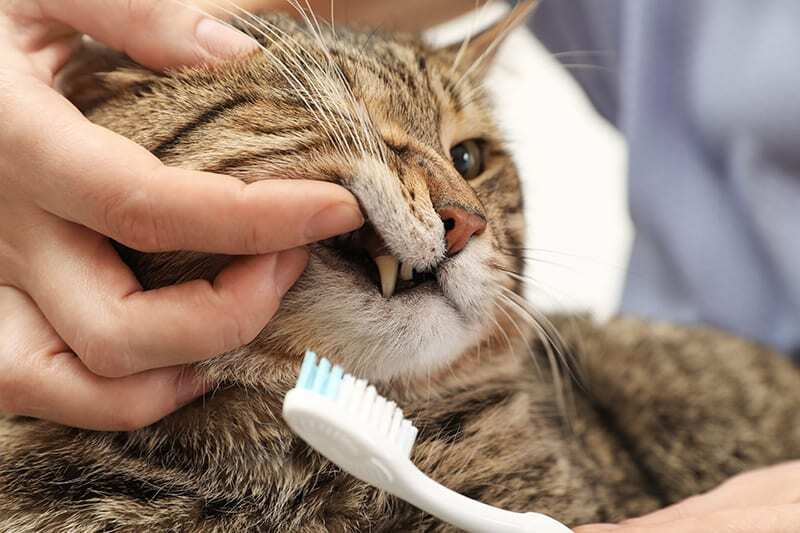
Consistency is key. Daily brushing is ideal, but even a few times a week can significantly reduce plaque buildup and prevent dental problems. Pairing toothbrushing with positive reinforcement, such as treats or affection, can help your cat associate the activity with a positive experience. Remember that patience and persistence are crucial; never force your cat, as this can create fear and resistance.
Dental Diets and Chews
Diet plays an essential role in maintaining cat dental health. Specially formulated dental diets and treats are designed to reduce plaque and tartar buildup through mechanical action and the inclusion of ingredients that promote oral hygiene. Crunchy kibble, for example, can help scrape plaque off the teeth, while enzymatic dental treats help break down plaque chemically. When choosing dental diets, look for products approved by veterinary dental organizations or recommended by your veterinarian.
While dental treats and diets are helpful, they should not replace brushing entirely. They work best as complementary tools within a broader dental care routine. Offering dental treats in moderation is important to prevent overfeeding and maintain overall nutritional balance.
Professional Cat Dental Care
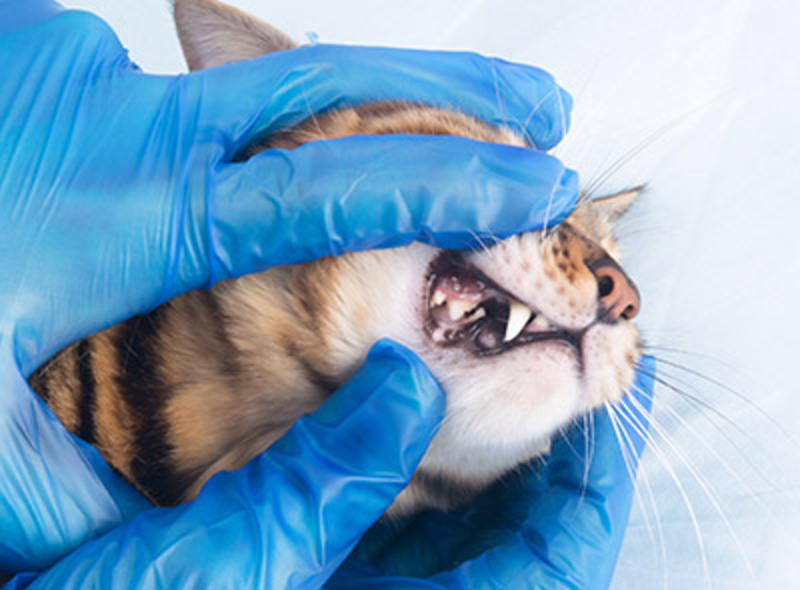
Even with diligent at-home care, regular professional dental cleanings are essential for cats. Veterinary dental exams allow for a thorough evaluation of the teeth, gums, and oral cavity, detecting issues that may not be visible externally. Professional cleanings under anesthesia enable veterinarians to remove plaque and tartar buildup, treat any infections, and address underlying conditions such as tooth resorption or fractured teeth.
The frequency of professional cleanings depends on your cat’s age, dental health, and predisposition to oral disease. Many adult cats benefit from annual dental exams, while some may require more frequent visits. Your veterinarian can provide personalized recommendations based on your cat’s specific needs.
Home Remedies and Preventive Measures
In addition to brushing, diet, and professional cat dental care, there are several preventive measures that can support your cat’s oral health. Water additives, designed to reduce bacterial growth and freshen breath, can be added to drinking water. Dental gels and wipes are also available for cats who resist toothbrushing, helping control plaque and soothe gums. Providing safe chew toys can encourage mechanical cleaning of the teeth while satisfying natural chewing instincts.
Maintaining overall health is also important for dental wellness. Regular exercise, a balanced diet, and monitoring for chronic conditions like kidney disease or diabetes can indirectly support oral health. A healthy cat is better able to resist infections, including those affecting the mouth.
Special Considerations for Kittens and Older Cats
cat dental care should begin early in a cat’s life. Kittens benefit from early exposure to brushing and dental-friendly treats, helping them become accustomed to oral care routines. Regular veterinary exams from a young age establish a baseline for dental health, allowing early detection of congenital issues or developing problems.
Older cats require special attention, as dental disease becomes more common with age. Age-related changes, such as gum recession, tooth wear, and decreased saliva production, can increase the risk of oral infections. For senior cats, more frequent veterinary exams, gentle brushing, and targeted dental diets are essential to maintain comfort and prevent complications.
Common Dental Problems in Cats
Several dental issues are particularly common in cats and require awareness from owners. Gingivitis, as mentioned earlier, is inflammation of the gums and is often reversible with proper care. Periodontitis is a more severe progression, causing tissue and bone loss. Tooth resorption, a painful condition where the tooth structure deteriorates, may require extraction. Fractured teeth from trauma or chewing on hard objects can lead to infection if left untreated. Oral tumors, although less common, can also affect dental health and overall well-being. Recognizing early signs and seeking veterinary intervention promptly can prevent long-term complications.
Behavioral and Lifestyle Factors
Certain behavioral and lifestyle factors can influence dental health in cats. Cats that eat primarily soft or wet food may have more plaque accumulation compared to those consuming dry kibble, though this is not a strict rule. Chewing behavior, such as gnawing on toys or objects, can help mechanically clean teeth. Conversely, cats with limited chewing activity may require more frequent brushing or dental interventions. Stress, obesity, and systemic health conditions can also impact oral health, making a holistic approach to wellness critical.
Conclusion
Cat dental care is an essential aspect of overall feline health, yet it is often underestimated. From early kittenhood to senior years, maintaining healthy teeth and gums requires a combination of regular brushing, dental-friendly diets and treats, professional veterinary care, and preventive measures. Recognizing the subtle signs of dental disease, understanding the importance of low-frequency plaque removal, and providing consistent at-home care can prevent painful conditions, improve quality of life, and even protect systemic health. By investing time and attention into your cat’s dental care, you ensure not only a healthy mouth but also a happy, comfortable, and thriving feline companion. Healthy teeth in cats are more than a cosmetic concern—they are a cornerstone of lifelong wellness.