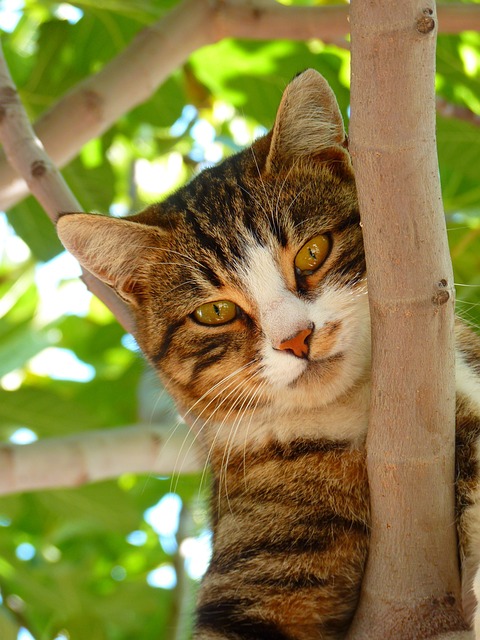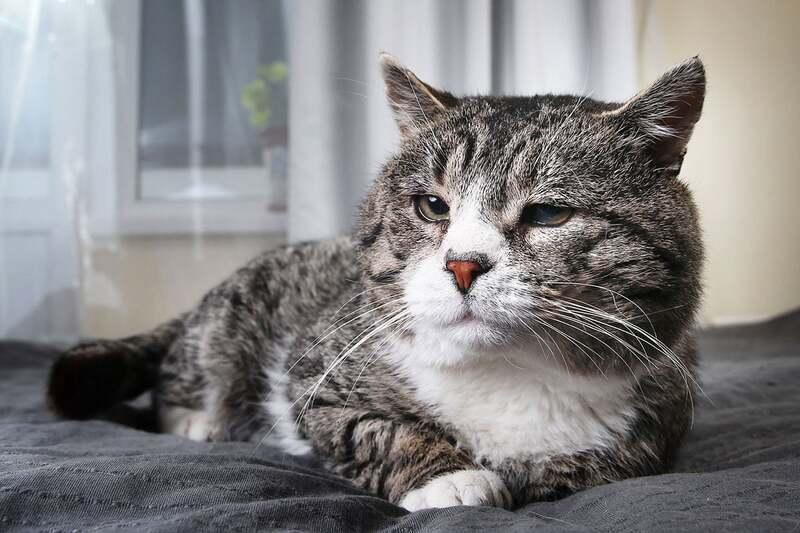
Cats are beloved companions, and as they age, their needs change. A senior cat requires special attention to maintain health, comfort, and quality of life. Adjusting their environment, diet, and daily routine can make a big difference in their well-being. This article offers practical advice for caring for a senior cat, helping them stay happy and healthy in their golden years.
Understanding the Needs of a Senior Cat
As a cat grows older, its body goes through natural changes. Mobility decreases, they may sleep more, and some experience joint stiffness or arthritis. Appetite and digestion may fluctuate, and weight management becomes increasingly important. Recognizing these changes early is crucial for maintaining a senior cat’s health.
Signs that your senior cat may need additional care include:
- Difficulty jumping or climbing
- Increased sleeping or resting in unusual places
- Changes in eating or drinking habits
- Weight loss or gain
- Changes in litter box habits
Understanding these signs allows you to take proactive steps in senior cat care, keeping your cat comfortable and healthy.
Adjusting the Home Environment
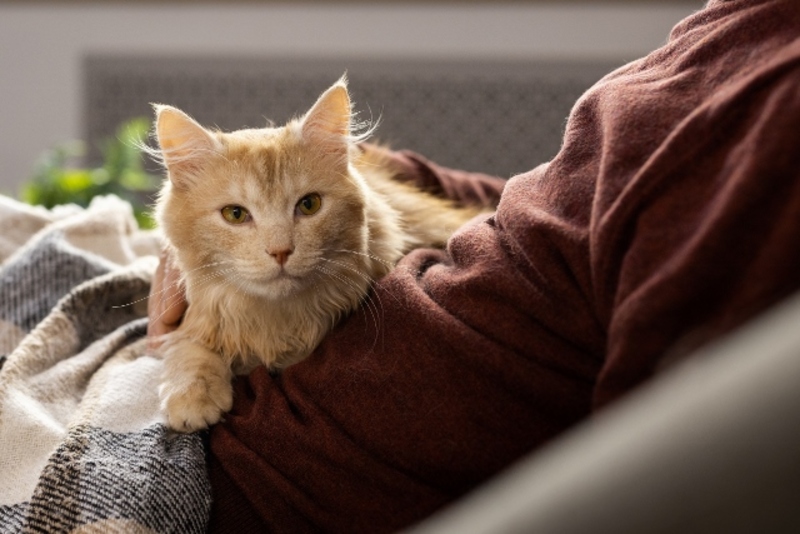
Creating a supportive environment for a senior cat can significantly improve their quality of life. As cats age, their mobility, senses, and tolerance for changes can decline. Small adjustments at home can make a big difference in their comfort, safety, and overall happiness.
1. Comfortable Bedding for a Senior Cat
Older cats often suffer from joint pain, arthritis, or stiffness, which can make sleeping on hard surfaces uncomfortable. Providing soft, warm beds in quiet, low-traffic areas helps them rest better and reduces discomfort. Consider placing multiple beds around the house, so your senior cat has options for warmth and safety. Heated cat beds or cushioned blankets are excellent choices, especially in cooler climates, as they soothe stiff joints and promote restful sleep. You can also layer blankets or use orthopedic-style pads to give extra support.
2. Easy Access
Senior cats may struggle to jump onto high furniture, access favorite resting spots, or reach essential areas like litter boxes or feeding stations. Adding ramps, steps, or low platforms can help your cat move safely without putting strain on their joints. Arrange essential items—food, water, and litter boxes—in easily accessible locations. Make sure these areas are stable and non-slip, preventing accidents. If your cat enjoys high vantage points, consider placing shelves or beds at lower heights so they can still climb comfortably without risking injury.
3. Temperature Control
Aging cats often feel the cold more intensely. Maintaining a warm, draft-free environment is essential. Avoid placing beds or resting areas near windows or doors that let in cold air, and consider using heated mats or pads during colder months. If your home tends to have cool floors, provide rugs or blankets where your senior cat likes to rest. Even small adjustments, like adding a cozy blanket to their favorite chair, can help them feel more comfortable and reduce stiffness from chilly surfaces.
4. Quiet Spaces
Senior cats can become more sensitive to noise, sudden movements, or a busy household. Creating quiet, private areas allows them to rest without stress. These spaces can be simple—a corner with a soft bed, a closet, or a low-traffic room where the cat can retreat. Avoid placing their beds near loud appliances, doorways, or high-traffic areas. A calm environment reduces anxiety, helps with sleep quality, and makes them feel secure. Multiple quiet spaces can also help if your home has children, other pets, or frequent visitors, giving your senior cat choices depending on their mood and energy level.
5. Safety and Mobility Enhancements for a Senior Cat
Beyond comfort and quiet, consider general safety improvements. Remove obstacles that could cause falls, ensure rugs or mats are non-slip, and keep cords or small objects out of reach. If your senior cat uses litter boxes with high sides, switch to low-entry boxes for easier access. For multi-level homes, consider pet-safe gates to prevent risky jumps or falls. These adjustments help your senior cat navigate daily life safely while maintaining independence.
Nutrition and Diet for a Senior Cat
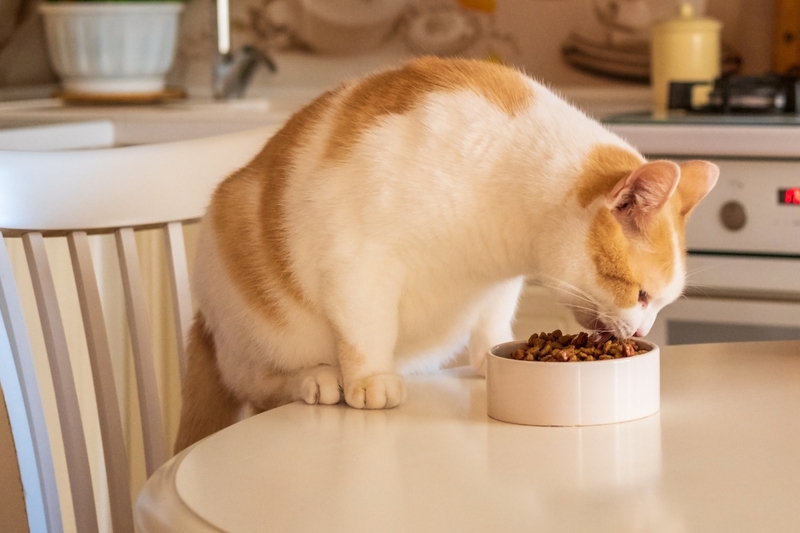
Diet plays a crucial role in a senior cat’s health. As cats age, their metabolism slows, digestion can become less efficient, and nutrient needs change. Proper nutrition helps maintain weight, energy, immune function, and overall wellness. Adjusting what and how your senior cat eats can prevent many health problems and improve their quality of life.
1. High-Quality Senior Cat Food
Choosing the right food is essential. Look for diets specifically formulated for senior cats, as they contain the right balance of protein, fat, vitamins, and minerals for aging bodies. High-quality protein supports muscle maintenance, while controlled fat levels help prevent weight gain. These foods often include antioxidants to support the immune system and ingredients that promote healthy digestion. If your cat has specific health concerns, such as kidney issues, consult your vet for specialized diets.
2. Joint Health Support for Senior Cat
Arthritis and joint stiffness are common in senior cats. Some senior cat foods include supplements like glucosamine, chondroitin, and omega-3 fatty acids to support joint health. These ingredients can help reduce inflammation, improve mobility, and make it easier for your cat to move, jump, and climb comfortably. If your cat struggles with stiffness, talk to your veterinarian about whether additional supplements or medications are necessary.
3. Weight Management
Maintaining an ideal weight is critical for a senior cat. Obesity can strain joints, the heart, and other organs, while being underweight may indicate underlying health problems such as dental issues, kidney disease, or hyperthyroidism. Regularly weigh your cat and monitor changes in appetite. Adjust portion sizes based on activity level and body condition. Feeding smaller, more frequent meals can help some cats maintain a healthy weight and prevent digestive issues.
4. Hydration
Older cats are more prone to dehydration, which can lead to kidney problems and urinary issues. Many senior cats naturally drink less water, so it’s important to encourage hydration. Offer wet food, which contains more moisture, alongside dry food. Place multiple water bowls around the house, and consider using a cat water fountain, which can entice cats to drink more. Ensure water is always fresh and clean, as some cats are sensitive to stale or warm water.
5. Feeding Adjustments for Senior Cat
Senior cats may have dental issues, reduced appetite, or sensitivity to certain textures and flavors. Soft or canned food can be easier for them to eat if they have dental problems. Some cats prefer warming their food slightly to enhance smell and taste, which can stimulate appetite. Keep an eye on eating habits and discuss any sudden changes with your vet, as loss of appetite can signal health issues early.
Regular Veterinary Care
Routine vet visits are essential for monitoring a senior cat’s health.
- Schedule checkups at least twice a year.
- Monitor teeth, gums, eyes, ears, and coat for changes.
- Watch for behavior, appetite, and litter box changes.
Early detection of illnesses such as kidney disease, hyperthyroidism, or diabetes greatly improves treatment outcomes. Regular vet visits are a cornerstone of senior cat care.
Mental and Physical Stimulation for a Senior Cat
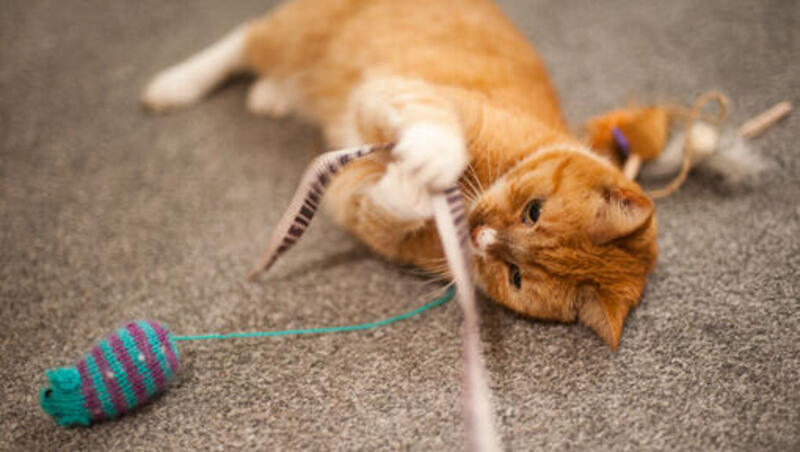
Even aging cats need activity to maintain muscle tone and mental sharpness.
- Gentle Play: Use soft toys or interactive games to encourage light exercise.
- Puzzle Feeders: These stimulate the mind while providing treats, reducing boredom.
- Short Sessions: Frequent short play sessions are better than long, exhausting ones for a senior cat.
Mental stimulation helps prevent cognitive decline, while gentle physical activity keeps joints and muscles in better condition.
Monitoring Behavior and Health Changes
Keeping track of your senior cat’s behavior is vital. Note any changes in:
- Grooming habits
- Social interaction
- Sleeping patterns
- Eating and drinking
Subtle shifts can indicate health issues that need veterinary attention. Observing your cat closely ensures timely interventions, which can significantly improve outcomes.
Supporting Mobility
Joint stiffness and arthritis are common in senior cats. You can help them stay mobile:
- Use ramps and steps to access favorite resting spots.
- Provide non-slip surfaces on floors.
- Encourage gentle stretching through play.
Mobility support reduces the risk of injuries and improves overall comfort.
Dental Care for a Senior Cat
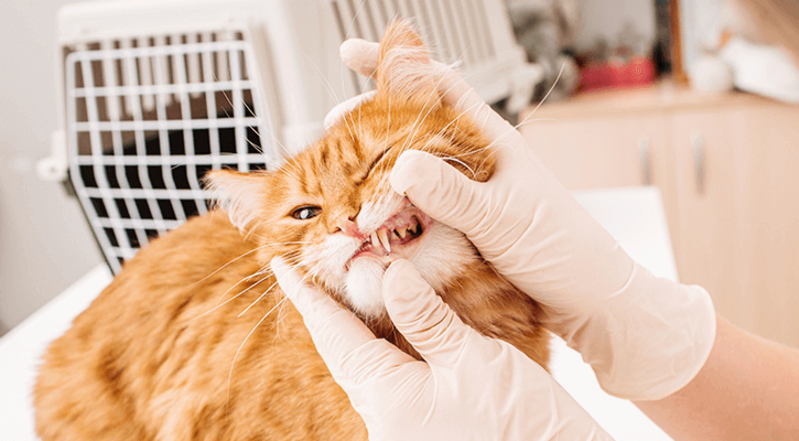
Dental health is often overlooked in senior cats, but it’s one of the most important factors in maintaining overall well-being. Problems with teeth and gums can cause pain, difficulty eating, and even affect major organs like the heart and kidneys if infections spread. Paying attention to your senior cat’s dental care can prevent discomfort and serious health issues.
1. Regular Teeth Brushing
If possible, brush your senior cat’s teeth regularly. Use a cat-specific toothbrush and toothpaste, as human toothpaste can be harmful. Start slowly and gently, allowing your cat to get used to the sensation. Even brushing a few times a week can significantly reduce plaque and tartar buildup, keeping gums healthier and preventing dental disease.
2. Dental Treats and Toys
Dental treats, chews, and toys can help maintain oral hygiene. Look for products approved by veterinary dental organizations. These items help reduce plaque and tartar naturally while giving your senior cat a safe way to chew, which also stimulates the jaw and keeps teeth strong.
3. Signs of Dental Issues in a Senior Cat
Monitor your senior cat for signs of dental problems, including:
- Bad breath
- Drooling or pawing at the mouth
- Difficulty eating or chewing
- Loose or discolored teeth
- Swollen or bleeding gums
Noticing these signs early can help prevent more serious health issues. If you observe any of these symptoms, schedule a veterinary checkup promptly.
4. Professional Dental Care
Even with home care, professional dental cleaning may be necessary for senior cats. Your veterinarian can examine teeth, remove tartar, treat infections, and provide guidance on ongoing care. Most veterinarians recommend dental checkups at least once a year for senior cats, though some may require more frequent visits depending on their oral health.
5. Diet Considerations for Dental Health
Certain foods are designed to support dental hygiene in cats. Dental diets usually have a texture that helps clean teeth while chewing, and some include ingredients to reduce plaque formation. Pairing a dental-friendly diet with regular brushing and vet care can greatly improve a senior cat’s oral health.
Conclusion
Caring for a senior cat requires attention, patience, and understanding. Adjusting the home environment, providing a proper diet, maintaining regular vet visits, and encouraging gentle activity all contribute to a happier, healthier life for your aging companion.
By implementing these tips for a senior cat, you ensure that your cat’s golden years are comfortable, safe, and filled with care. Paying attention to their health today can prevent problems tomorrow, helping your senior cat stay active and content longer.