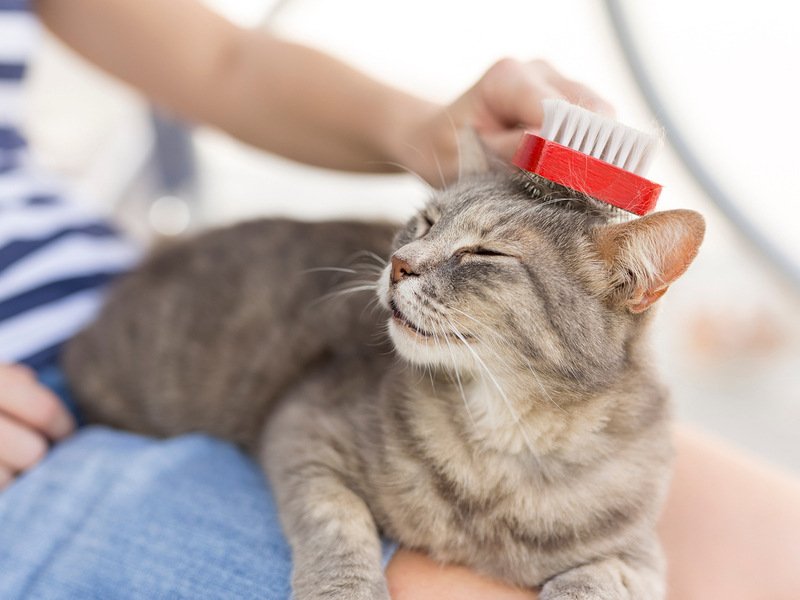
Brushing cat fur is one of the most important parts of keeping your cat healthy and comfortable. Regular brushing removes loose hair, prevents mats and tangles, reduces shedding, and supports healthy skin. While cats groom themselves naturally, they cannot always remove all loose fur, especially long-haired breeds. Over time, this can lead to hairballs, tangled fur, and even skin irritation. Learning the right techniques, frequency, and tools for brushing cat fur ensures a soft, shiny coat and helps strengthen the bond with your feline companion.
Why Cat Fur Brushing Is Important
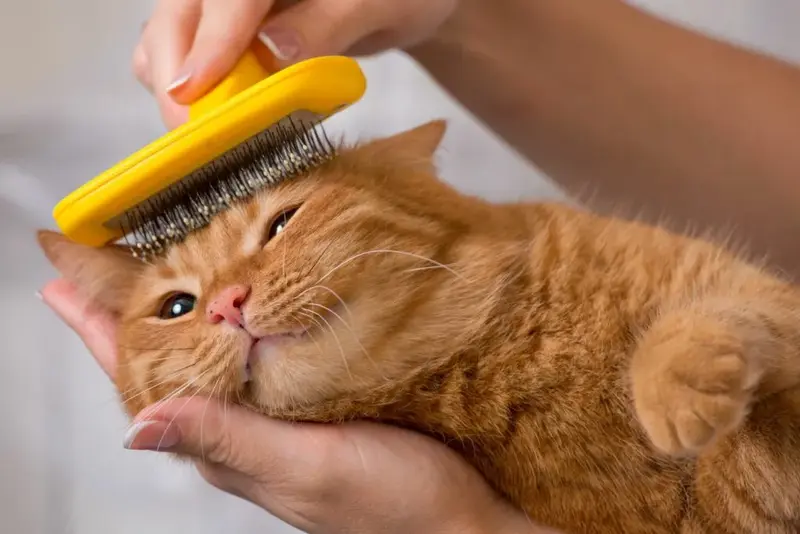
Brushing cat fur goes beyond aesthetics—it has real health benefits. Loose fur that cats ingest while grooming can form hairballs, which may cause vomiting or digestive issues. Regular brushing removes this fur before it is swallowed, reducing the risk of digestive problems. It also distributes natural oils along the hair shaft, keeping the coat soft, glossy, and hydrated. Beyond physical benefits, brushing allows you to check your cat’s skin for lumps, bumps, fleas, or irritation, which can help detect health issues early. Maintaining a regular brushing routine contributes to your cat’s overall well-being and can make grooming a calming, bonding activity.
How Often to Brush Your Cat’s Fur
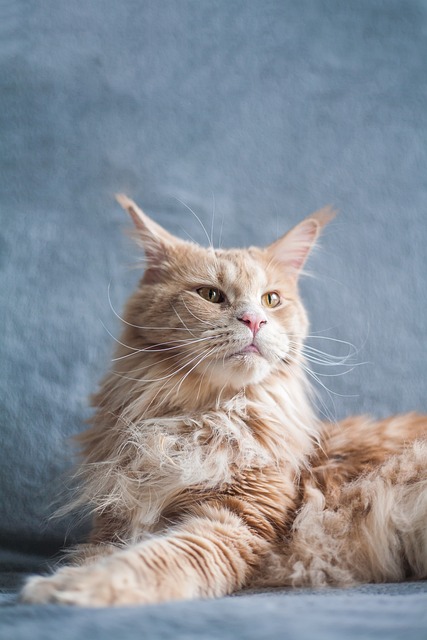
The frequency of brushing depends on your cat’s coat type, age, and health. Short-haired cats generally need brushing once or twice a week to remove loose hairs and stimulate circulation. Medium to long-haired cats often require daily or every-other-day brushing to prevent tangles and mats. Senior cats or overweight cats may need additional grooming help since they might struggle to reach certain areas themselves. Regularly brushing your cat’s fur not only keeps the coat smooth and shiny but also reduces shedding around the house, which is especially helpful during seasonal changes.
Choosing the Right Brush for Your Cat
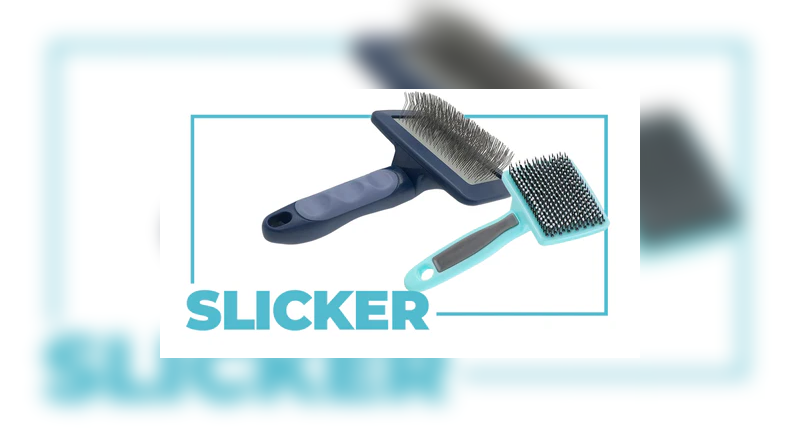
Selecting the proper brush for your cat’s coat type is key to effective grooming. Slicker brushes are ideal for long-haired cats, as they remove tangles and loose hairs without damaging the coat. Bristle brushes are perfect for short-haired cats, helping to collect loose fur and stimulate the skin. Combs with wide and narrow teeth can detangle stubborn mats, while soft rubber brushes are excellent for cats with sensitive skin. Understanding your cat’s coat and choosing the right grooming tool makes brushing cat fur a stress-free experience.
Brushing Techniques and Tips
Brushing cat fur should be a gentle and calm process. Start with short sessions if your cat is not accustomed to brushing, gradually increasing the duration as they become more comfortable. Use slow, gentle strokes, especially on sensitive areas such as the belly, legs, and tail. Avoid pulling on tangles; instead, use a comb to work them out carefully. Rewarding your cat with treats or praise encourages positive behavior and helps create a calm, enjoyable routine. Over time, brushing can become a bonding experience, strengthening trust and improving your cat’s overall comfort during grooming.
Managing Mats and Tangles in Cat Fur
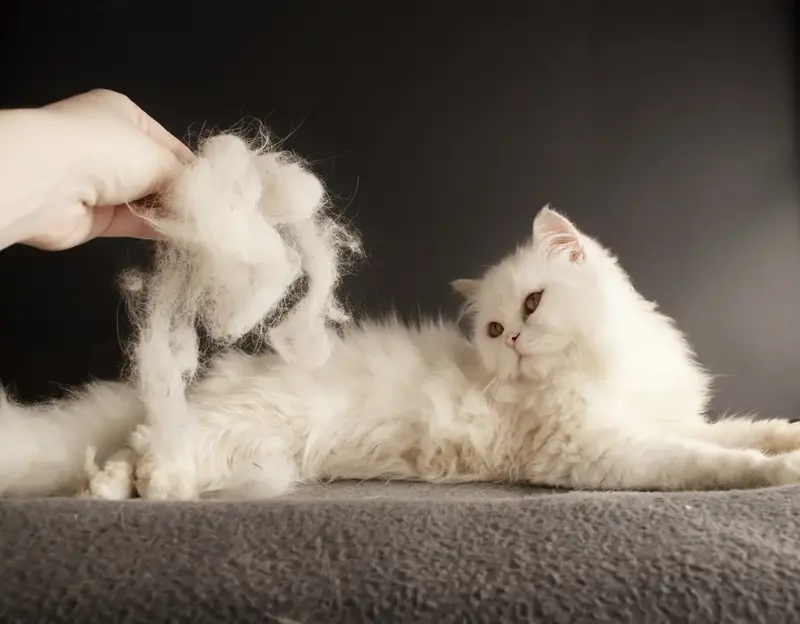
Mats and tangles are common, especially in long-haired breeds. Small mats can usually be gently combed out, but stubborn tangles may require professional grooming. Never attempt to cut mats with scissors, as this can easily injure your cat. Regular brushing prevents mats from forming, particularly in problem areas like behind the ears, under the legs, and along the tail. Consistent grooming ensures a smooth, shiny coat and helps avoid painful skin problems.
Regular brushing of your cat’s fur
Regularly brushing cat fur provides multiple benefits. It reduces shedding around your home, keeps the coat glossy and healthy, and stimulates blood circulation in the skin. Brushing also strengthens the bond between you and your cat while helping you monitor their health. Observing your cat during grooming allows you to detect any unusual behavior, lumps, or skin issues early. A consistent brushing routine improves both the cat’s appearance and overall well-being.
Conclusion
Brushing cat fur is an essential part of responsible cat care. With proper tools, gentle techniques, and a regular schedule, you can maintain your cat’s coat, prevent hairballs, reduce shedding, and ensure healthy skin. Brushing also provides an opportunity to bond with your cat and monitor their health closely. Whether your cat has short, medium, or long hair, regular attention to grooming will keep them healthy, comfortable, and looking their best.