
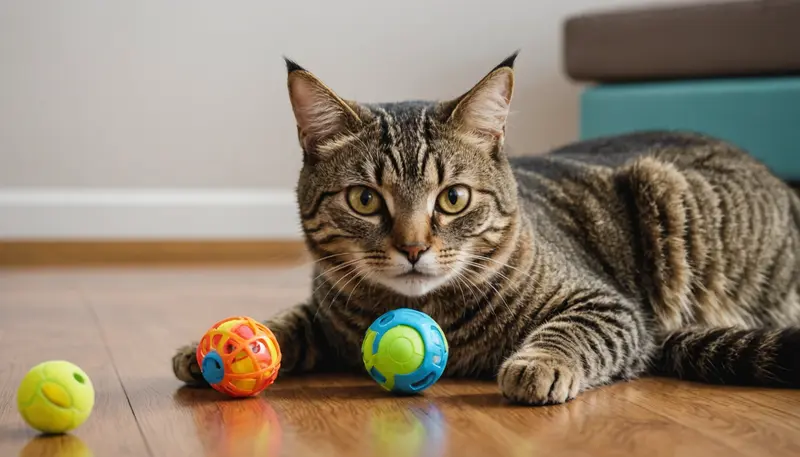
Cats are intelligent and curious creatures, and keeping them mentally and physically stimulated is essential for their overall well-being. While many owners focus primarily on food, grooming, and basic care, neglecting mental and physical enrichment can lead to boredom, obesity, and behavioral issues. Providing the right cat toys is a simple yet effective way to engage your cat’s mind, encourage exercise, and strengthen the bond between you and your feline companion. Understanding the types of toys available and how they impact your cat’s mental and physical health can help you make informed choices and create a stimulating environment.
Why Mental and Physical Stimulation Is Important for Cats
Cats are natural hunters, and their instincts drive them to stalk, chase, and pounce. Domestic cats, however, often lack the opportunities to express these instincts fully, especially if they live indoors. Mental stimulation through toys challenges your cat’s problem-solving abilities, keeps their brain active, and prevents boredom-related behaviors like excessive meowing, scratching furniture, or aggression. Physical stimulation, on the other hand, helps maintain a healthy weight, strengthens muscles, improves cardiovascular health, and promotes joint mobility.
Boredom can also affect a cat’s emotional health. Cats that do not receive adequate stimulation may develop anxiety, depression, or withdrawal behaviors. By providing toys that engage both the mind and body, you not only satisfy their instinctual needs but also enhance their overall happiness and quality of life.
Types of Toys for Mental Stimulation
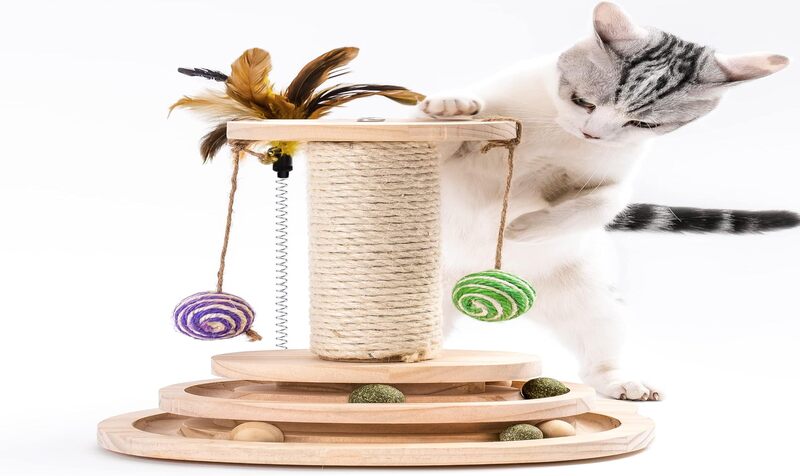
Mental stimulation toys challenge a cat’s intelligence, problem-solving skills, and curiosity. Puzzle feeders, for instance, require cats to figure out how to access treats or kibble hidden inside compartments. These toys engage their cognitive skills while rewarding them with a tasty treat, reinforcing positive behavior. Other interactive toys, such as treat-dispensing balls or hide-and-seek tunnels, encourage exploration and engagement with the environment.
Interactive laser pointers are another popular option for mental stimulation, but they should be used carefully. While chasing the light engages a cat’s hunting instincts, it is important to allow them to “catch” the target at times, such as by pointing the laser at a treat or toy, to prevent frustration. Toys that mimic prey, like feathers on a string or mechanical mice, also stimulate hunting behavior and keep your cat’s mind sharp.
Toys for Physical Exercise
Physical exercise is critical for maintaining a cat’s health. Cats that do not engage in regular activity are prone to obesity, diabetes, and joint problems. Toys that encourage active play, such as wand toys, balls, and interactive motion toys, help cats burn calories, build strength, and maintain agility. Climbing structures, scratching posts, and cat trees provide both physical activity and vertical space for exploration, which is especially important for indoor cats.
Rotating toys regularly is essential to maintain interest and prevent boredom. Cats are creatures of habit, and introducing new toys or rearranging existing ones can create a sense of novelty that keeps them engaged. A mix of short, intense play sessions and longer, leisurely activities can cater to different energy levels and provide balanced stimulation.
DIY and Budget-Friendly Cat Toys
Not all effective cat toys need to be store-bought. Simple household items can provide hours of entertainment and stimulation. Cardboard boxes, paper bags (without handles), crumpled paper balls, and bottle caps can serve as inexpensive, safe toys. Hiding treats inside these DIY toys can add a mental challenge while encouraging physical activity. Even a simple string or ribbon can be captivating if supervised carefully to prevent accidental ingestion.
DIY toys are not only cost-effective but also allow owners to customize the play experience for their cat’s preferences. Some cats enjoy puzzle challenges, while others prefer chasing or climbing. Observing your cat’s reactions to different toys can help you design the perfect enrichment routine tailored to their personality.
Benefits of Interactive Play Between Cats and Owners
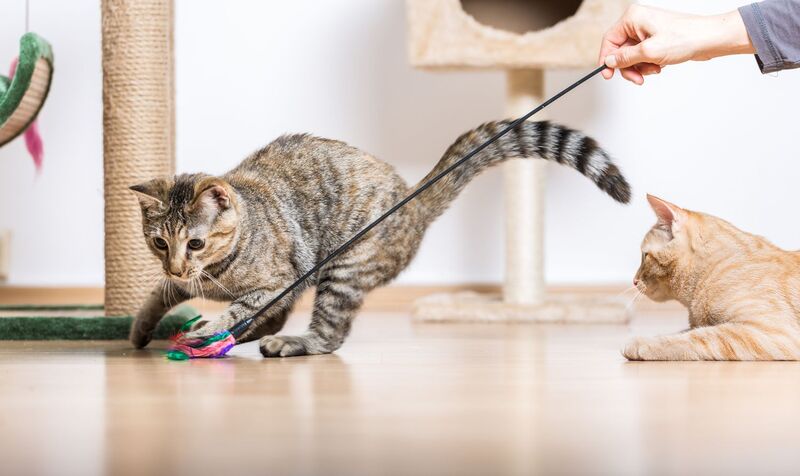
Interactive play strengthens the bond between you and your cat while providing essential mental and physical stimulation. Engaging in play sessions using wand toys, laser pointers, or feather teasers allows cats to express their natural hunting behaviors in a safe and controlled environment. Regular play sessions, even for 10–15 minutes a few times a day, can significantly improve your cat’s mood, reduce stress, and reinforce positive behaviors.
Interactive play also helps address behavioral issues. Cats that receive sufficient stimulation are less likely to scratch furniture, overeat, or display aggression. By using play as a reward and engaging in structured activities, you can guide your cat’s energy in positive ways while maintaining a healthy lifestyle.
Choosing the Right Toys for Your Cat
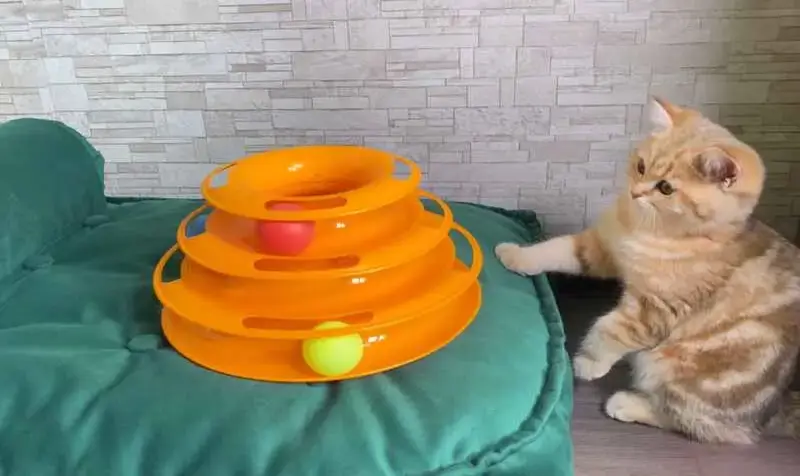
Selecting the right toys depends on your cat’s age, size, and personality. Kittens typically enjoy toys that mimic small prey, such as mice or birds, and toys that allow chasing and pouncing. Adult cats may prefer more challenging puzzle toys and interactive play that encourages problem-solving. Senior cats benefit from toys that provide gentle stimulation, such as soft balls, dangling toys, or interactive feeders that do not require excessive exertion but still engage their minds.
Safety is also a critical factor when choosing toys. Avoid small parts that can be swallowed, loose strings, or sharp edges. Always supervise playtime, especially with toys that include cords or small detachable pieces. Durable, non-toxic materials ensure that playtime remains safe and enjoyable for your cat.
The Role of Technology in Cat Toys
Modern technology has introduced innovative options for cat enrichment. Automatic laser toys, motorized mice, and interactive apps designed for cats provide continuous stimulation even when owners are busy. These toys encourage independent play while mimicking prey movements, keeping cats active and engaged. However, technology should complement—not replace—interactive play with human caregivers, as the social aspect of bonding is equally important for a cat’s emotional health.
Integrating Toys Into a Daily Routine
Consistency is key when it comes to mental and physical stimulation. Incorporating toys into your cat’s daily routine ensures they receive regular enrichment. Short, frequent play sessions are often more effective than a single extended session. For example, two 10-minute sessions of interactive play in the morning and evening can satisfy a cat’s hunting instincts and maintain their energy levels. Puzzle feeders during mealtime can provide mental stimulation while slowing down eating, promoting better digestion and dental health.
Varying toy types and rotating them regularly keeps the environment fresh and prevents boredom. Combining solo play, interactive play, and mental challenges creates a balanced enrichment strategy that addresses all aspects of your cat’s well-being.
Conclusion
Providing your cat with the best toys for mental and physical stimulation is essential for a healthy, happy life. Toys that engage both the mind and body prevent boredom, reduce behavioral issues, and promote physical health. From puzzle feeders and interactive wands to DIY creations and technological innovations, the range of available toys ensures that every cat’s instincts and preferences are satisfied. Regular play strengthens the human-cat bond, encourages exercise, and keeps your feline companion mentally sharp. By understanding your cat’s personality, selecting appropriate toys, and maintaining a consistent enrichment routine, you can ensure that your cat enjoys a stimulating, fulfilling, and joyful life.
