
Proper cat hydration is one of the most important yet often overlooked aspects of cat care. Cats are naturally low-thirst animals, which means they do not always drink enough water to meet their body’s needs. Dehydration can lead to serious health issues, including urinary tract problems, kidney disease, and digestive disorders. Understanding your cat’s water requirements, how to encourage drinking, and seasonal considerations is essential to ensure your cat stays healthy and active year-round.
Why Cat Hydration Is Critical
Cats have evolved from desert animals, making them highly efficient at conserving water. While this trait helped their ancestors survive in arid environments, it can pose risks for domestic cats. Even mild dehydration affects energy levels, kidney function, and the health of the urinary system. Older cats, cats with medical conditions such as kidney disease or diabetes, and those eating mostly dry food are particularly vulnerable. Ensuring proper cat hydration not only supports organ function but also prevents urinary crystals, reduces the risk of infections, and promotes overall well-being.
Water is a critical nutrient that aids digestion, regulates body temperature, and helps transport nutrients throughout the body. Without adequate hydration, cats may become lethargic, lose appetite, and experience long-term health issues. By prioritizing water intake, you are providing a simple but highly effective way to protect your cat’s health.
How Much Water Does a Cat Need?
On average, a healthy adult cat needs 50–60 milliliters of water per kilogram of body weight per day, though this can vary depending on diet, activity level, and environment. Cats that eat mostly dry food require more water because kibble contains only about 10% moisture. Wet food, on the other hand, contains 70–80% water, which significantly contributes to hydration.
Environmental factors also play a role. Warm climates, increased activity, or indoor heating can increase water requirements. Conversely, cooler temperatures may slightly reduce daily needs. Monitoring your cat’s drinking habits, urine output, and overall behavior is key to ensuring adequate hydration. If you notice your cat drinking excessively or too little, consult a veterinarian to rule out underlying health issues.
Signs Your Cat May Be Dehydrated
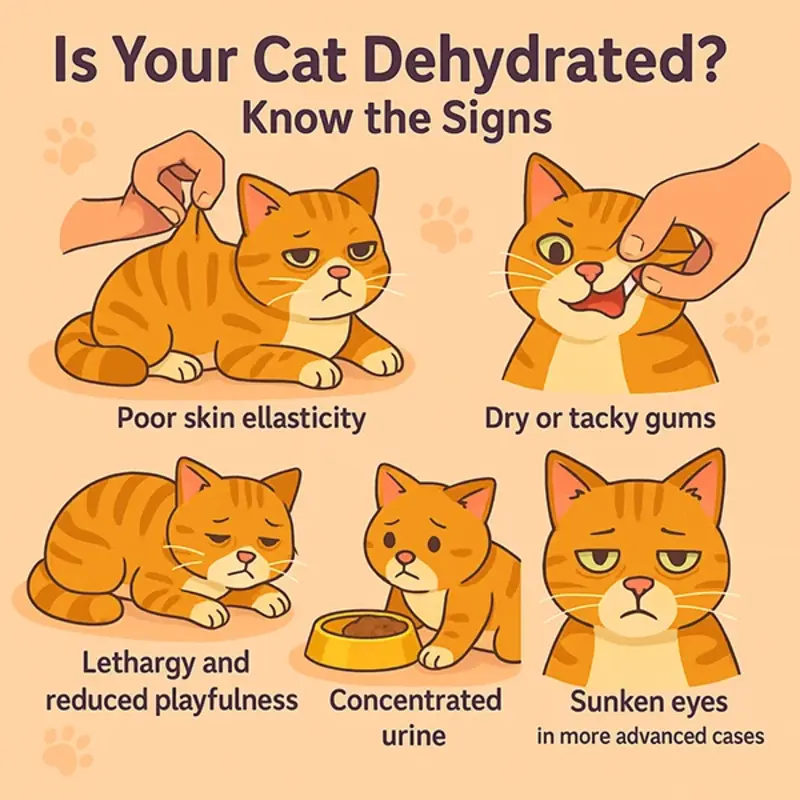
Detecting dehydration early is vital. Some common signs include:
- Reduced urination or dark, concentrated urine
- Lethargy or decreased energy levels
- Dry gums or sticky oral tissue
- Sunken eyes or loss of skin elasticity
- Poor coat condition
If you notice any of these symptoms, encourage your cat to drink immediately and contact your veterinarian if the condition persists. Even mild dehydration can have long-term health consequences, especially in older cats or those with chronic conditions.
Practical Tips to Encourage Cat Hydration
Many cats are reluctant drinkers, but there are several ways to improve their cat hydration:
- Multiple Water Sources: Place water bowls in different areas of your home to give your cat easy access. Some cats prefer to drink in quiet, private spaces.
- Fresh Water Daily: Replace water at least once a day to keep it clean and appealing. Stale water can discourage drinking.
- Water Fountains: Flowing water attracts many cats and encourages them to drink more. Fountains can be especially effective for cats that are reluctant to drink from a bowl.
- Wet Food: Incorporate wet or canned food into your cat’s diet. Wet food provides extra moisture and reduces the overall need for water intake from bowls.
- Experiment with Bowls: Cats can be picky about bowl material. Some prefer ceramic or glass over plastic, which can retain odors. Wide, shallow bowls can also prevent whisker fatigue.
- Flavor the Water: Adding a small amount of low-sodium chicken or beef broth can entice some cats to drink. Avoid seasonings or additives that are unsafe for cats.
- Ice Cubes or Water Games: Some cats enjoy playing with floating ice cubes or water droplets. This can be a fun way to encourage extra drinking.
Seasonal Considerations for Cat Hydration
Summer: Higher temperatures increase water needs. Provide shaded areas, multiple water sources, and consider wet food options. Outdoor cats are at higher risk of dehydration, so monitor their water intake closely.
Winter: Indoor heating can dry the air, which increases a cat’s hydration needs even if they drink normally. Offer warm water or slightly moist food to encourage intake, and continue monitoring litter box habits.
Spring and Autumn: Seasonal changes may trigger mild dehydration, especially for cats with long-haired coats that shed heavily. Regular grooming can reduce stress and support hydration indirectly by preventing hairball-related digestive issues.
Common Mistakes in Cat Hydration
Even experienced cat owners make mistakes that can affect hydration:
- Relying solely on dry food: Cats eating only kibble often do not drink enough water.
- Using dirty bowls: Water that sits too long or is contaminated can deter drinking.
- Ignoring behavioral changes: Reduced drinking or urination may signal health problems.
- Neglecting older cats or medical conditions: Cats with kidney issues, diabetes, or urinary problems require closer attention to hydration.
Avoiding these mistakes ensures your cat stays properly hydrated and reduces the risk of serious health complications.
How Hydration Supports Overall Cat Health
Proper cat hydration benefits nearly every system in the body. Adequate water supports kidney function, aids digestion, maintains healthy skin and fur, and helps prevent urinary tract issues. Hydration also affects energy levels, mood, and cognitive function. Cats that are consistently hydrated are more active, playful, and responsive to their environment. Over time, good hydration habits can prevent chronic health problems, extend lifespan, and improve quality of life.
Choosing the Right Water for Your Cat
Most cats thrive on plain, fresh water, but some may benefit from additional options:
- Filtered water: Removes impurities that may discourage drinking.
- Bottled spring water: Some cats prefer the taste and consistency.
- Broth or flavored water: Only low-sodium, plain broth is safe. Avoid onions, garlic, and other additives.
Observing your cat’s preferences is essential. A water source that your cat enjoys will encourage consistent drinking and improve overall cat hydration.
Conclusion
Proper cat hydration is a cornerstone of cat care. Cats naturally drink less than other animals, making them vulnerable to dehydration and related health problems. By providing fresh water, incorporating wet food, using fountains, and monitoring for signs of dehydration, you can ensure your cat stays healthy and comfortable year-round. Seasonal adjustments, attentive monitoring, and simple strategies can make a significant difference in your cat’s health and well-being. Consistent hydration is a small investment that delivers big returns in longevity, activity, and overall happiness for your cat.
