

Keeping your cat worm-free is one of the most important parts of routine pet care. Worms are more common than most cat owners think, and they can affect indoor and outdoor cats alike. Many parasites spread silently, with mild or almost invisible signs at first, which makes Cat Deworming a necessary part of preventive health. In this guide, you’ll learn how often cats need deworming, the different types of worms, symptoms to watch for, treatment methods, and why only vet-approved medications are safe for your pet.
Cats can pick up worms from soil, fleas, rodents, insects, or even from their mother during nursing. And while worms are treatable, leaving them unmanaged can lead to anemia, weight loss, digestive issues, and in severe cases, life-threatening complications. This article walks you step-by-step through everything you need to know to protect your cat with confident, informed decisions.
What Is Cat Deworming and Why It Matters
Cat Deworming simply means removing internal parasites from your cat’s body. These parasites most often live in the intestines, but some species migrate to the lungs, liver, or other organs. Deworming is essential because worms do not disappear on their own, and cats rarely show symptoms until the infestation becomes advanced. Regular deworming helps prevent chronic discomfort, protects against complications, and keeps your home environment cleaner and safer—especially in multi-pet households.
Unlike vaccinations that happen once a year, deworming follows a different schedule depending on your cat’s age, lifestyle, and health. Young kittens need more frequent treatments, while adult indoor cats may need only routine preventive care. Understanding your cat’s risk level helps build the right plan.
How Cats Get Worms: Common Ways of Infection
Before discussing how often Cat Deworming should be done, it helps to understand how cats get infected. Even indoor cats are not fully protected. Parasites can enter a household through shoes, insects, or newly adopted pets.
Cats can get worms through:
- Eating infected rodents or insects
- Swallowing fleas carrying tapeworm larvae
- Exposure to contaminated soil or litter
- Nursing from an infected mother
- Sharing spaces with untreated pets
- Contact with infected feces
Because transmission happens so easily and quietly, preventive deworming is far more reliable than waiting for visible signs.

Types of Worms in Cats (With Table)
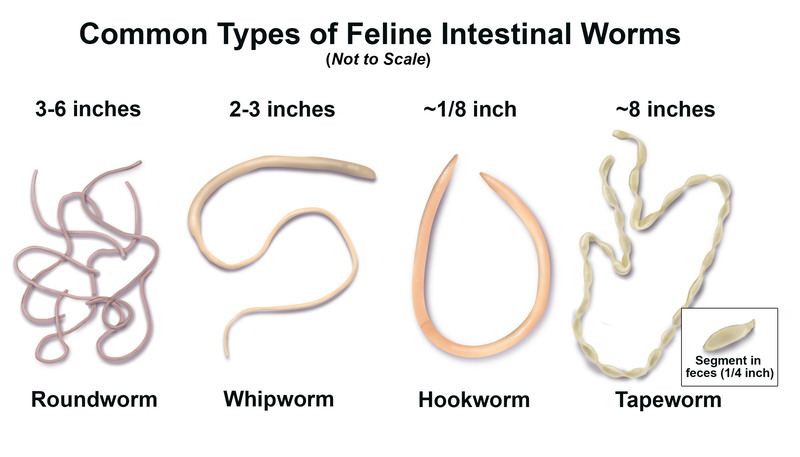
Different worms require different medications. Below is a simple and clear table that helps you identify the most common worms seen in cats.
Table: Common Worm Types in Cats
| Worm Type | Description | How Cats Get It | Key Symptoms | Risk Level |
|---|---|---|---|---|
| Roundworms | Long, spaghetti-like worms in intestines | Soil, feces, mother’s milk | Vomiting, potbelly, diarrhea | High |
| Tapeworms | Flat segments resembling rice grains | Flea ingestion, rodents | Itching, visible segments in stool | Medium |
| Hookworms | Tiny worms attaching to intestinal lining | Soil, skin penetration | Pale gums, weight loss | High |
| Whipworms | Whip-shaped worms in colon | Contaminated soil | Chronic diarrhea | Medium |
| Lungworms | Parasites living in the lungs | Snails, rodents | Coughing, breathing difficulty | Medium |
| Heartworms | Worms living in the heart and lungs | Mosquito bites | Coughing, lethargy | Severe |
Each type of worm requires a targeted medication. Not all dewormers work for all parasites, which is why a vet diagnosis is recommended before treatment.
Signs Your Cat Might Need Deworming
Not all cats show clear signs of worms. However, the following symptoms often suggest your cat needs immediate Cat Deworming treatment:
- Visible worms or rice-like segments in the litter box
- Diarrhea or vomiting
- Bloated or potbellied appearance
- Weight loss despite normal appetite
- Dull coat or poor grooming habits
- Constant hunger
- Coughing or breathing changes
- Pale gums
- Itching around the rear end
Any of these signs, especially if persistent, are a strong indication to visit the vet.
Cat Deworming Schedule for Kitten
Kittens are the most vulnerable to worms because they can become infected before they’re even born. Their immune system is still developing, and worms grow quickly in small bodies.
Recommended Deworming Schedule for Kittens
- 2 weeks old: First deworming
- Every 2 weeks: Continue until 8 weeks old
- Monthly: From 8 weeks to 6 months
- Every 3 months: After 6 months if the cat goes outdoors
- Every 6–12 months: For indoor-only kittens after adulthood
Because kittens grow so fast, skipping deworming can cause anemia or developmental issues. Following the schedule strictly keeps them safe during their most fragile months.
Cat Deworming Schedule for Adult Cats
Adult cats need a different maintenance routine. The exact frequency depends on lifestyle.
Indoor Adult Cats
Indoor-only cats live in the lowest-risk environment because they are not exposed to soil, stray animals, or prey. However, “low risk” does not mean “zero risk.” Parasite eggs can still enter the home on shoes, clothing, or houseplants, and fleas can appear even in clean homes.
For this reason, veterinarians recommend deworming every 6–12 months.
A yearly treatment is often enough for very low-risk cats, while cats in multi-pet households or homes with frequent visitors may benefit from every 6 months. Keeping litter boxes clean and practicing good flea prevention helps extend the protection.
Outdoor or Semi-Outdoor Cats
Cats that spend time outdoors, even briefly, are exposed to a much wider range of parasites. They walk on soil, sniff plants, encounter insects, and may step through contaminated areas without you ever noticing. Because worms can survive for months in outdoor environments, these cats have a constant risk of reinfection.
For these reasons, outdoor or semi-outdoor cats should be dewormed every 3 months.
This quarterly schedule ensures that any worms picked up from the environment are eliminated before they grow, reproduce, or cause noticeable symptoms. Regular flea control is also essential because fleas are one of the most common tapeworm carriers.
Cats Who Hunt Rodents or Insects
Some cats have strong hunting instincts, even if they live indoors. A single mouse, lizard, roach, or housefly can carry parasite larvae. Once your cat eats the prey, the larvae develop inside the digestive system.
Because hunting is one of the fastest ways for cats to get worms, these cats should be dewormed every 2–3 months.
This schedule keeps infections controlled before they reach the stage where worms begin producing eggs. If your cat hunts frequently or brings prey home often, choosing the 2-month interval is safer.
Cats with Flea Infestations
If your cat has fleas—even a mild infestation—you should deworm immediately.
Fleas are the main carriers of tapeworms, and cats often swallow fleas while grooming. As soon as you see fleas, assume tapeworm exposure has already happened.
In these cases:
- Deworm your cat right away
- Treat fleas at the same time with a vet-approved product
- Clean bedding, vacuum carpets, and wash fabrics
If fleas return, deworm again as needed, because reinfection can happen quickly.
Outdoor cats are exposed to parasites daily through soil, prey animals, and insects, so a stricter deworming routine keeps them protected.
How Deworming Medications Work
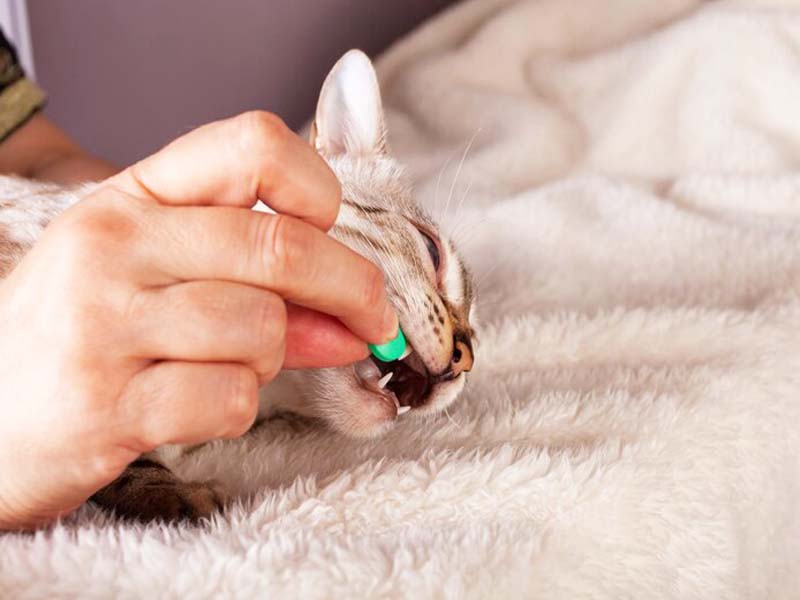
Most Cat Deworming medications work by paralyzing the worms or disrupting their ability to absorb nutrients, which causes them to die and be expelled naturally through the stool. The medication does not harm the cat’s body because it targets the worm’s biology specifically.
There are three common forms of dewormers:
- Tablets or chewable pills — easy for most owners to give
- Liquid dewormers — ideal for kittens
- Topical (spot-on) treatments — applied to the skin, especially for cats that resist pills
Your veterinarian will recommend the correct format based on your cat’s age and the worm type.
Cat Deworming: What to Expect After Treatment
After giving a dewormer, you may see worms in your cat’s stool for 1–3 days. This is normal and means the medicine is working. Cats may also experience mild temporary diarrhea or decreased appetite for a short period.
However, you should contact a vet if you notice:
- Persistent vomiting
- Blood in stool
- Severe lethargy
- No improvement after 5–7 days
These could signal a heavy infestation that requires a stronger or repeated dose.
Are Home Remedies Safe for Cat Deworming?
Many online sources suggest using garlic, pumpkin seeds, coconut oil, or herbs as “natural dewormers.” These treatments do not work, and some—especially garlic—are dangerous for cats.
Why Home Remedies Don’t Work
- They cannot kill worms at any stage of growth
- They cannot target multiple worm species
- They may cause toxicity or anemia
- They delay proper treatment, allowing worms to multiply
Only Vet-Approved Deworming Is Safe
Veterinarians prescribe medications that:
- Kill worms completely
- Target multiple parasite types
- Are safe for kittens, adults, and seniors
- Come in accurate, weight-based doses
Avoiding home remedies ensures your cat gets effective and reliable parasite control.
Prevention Tips After Deworming
Deworming works best when combined with prevention strategies. These habits reduce your cat’s risk of reinfection:
- Keep litter boxes clean daily
- Use monthly flea prevention treatments
- Prevent your cat from hunting rodents
- Wash bedding regularly
- Keep food bowls away from insects
- Vacuum carpets to remove eggs and larvae
- Deworm all pets in the household on the same schedule
Parasite prevention is easier than repeated treatments, and simple hygiene can significantly reduce risks.
Cat Deworming for Multi-Cat Households
If you have more than one cat, you should deworm all of them—even if only one shows symptoms. Parasites spread quickly through shared litter boxes, grooming, toys, and resting areas.
For multi-cat homes:
- Deworm all cats at the same time
- Clean litter boxes thoroughly
- Vacuum and disinfect common areas
- Keep flea control consistent for every pet
This coordinated approach prevents reinfection cycles.
Can Humans Catch Worms From Cats?
Some cat worms can affect humans, especially children. Roundworms can cause vision problems or organ damage if left untreated. While the risk is low with good hygiene, it’s another reason routine Cat Deworming is important.
Wash hands after handling litter, keep cat areas clean, and follow your cat’s deworming schedule strictly to minimize any potential risk.
When to Visit the Veterinarian
You should consult a vet if:
- This is your cat’s first deworming
- You’re not sure which worm type is present
- Symptoms are severe or long-lasting
- Your cat has other health conditions
- You suspect lungworms or heartworms
The vet can run a fecal test to identify the specific worm and provide the exact medication needed.
Final Thoughts: Staying Consistent With Cat Deworming
Deworming isn’t something you do once and forget. It’s a routine health habit that protects your cat from discomfort, disease, and dangerous complications. Whether your cat lives indoors or outdoors, preventive Cat Deworming ensures a healthier, happier life.
A consistent schedule, combined with vet-approved treatments and clean living habits, is the best protection against worms. And the good news is that treating worms is simple, affordable, and highly effective when done correctly. With the right plan, you can keep your cat parasite-free all year long.
