
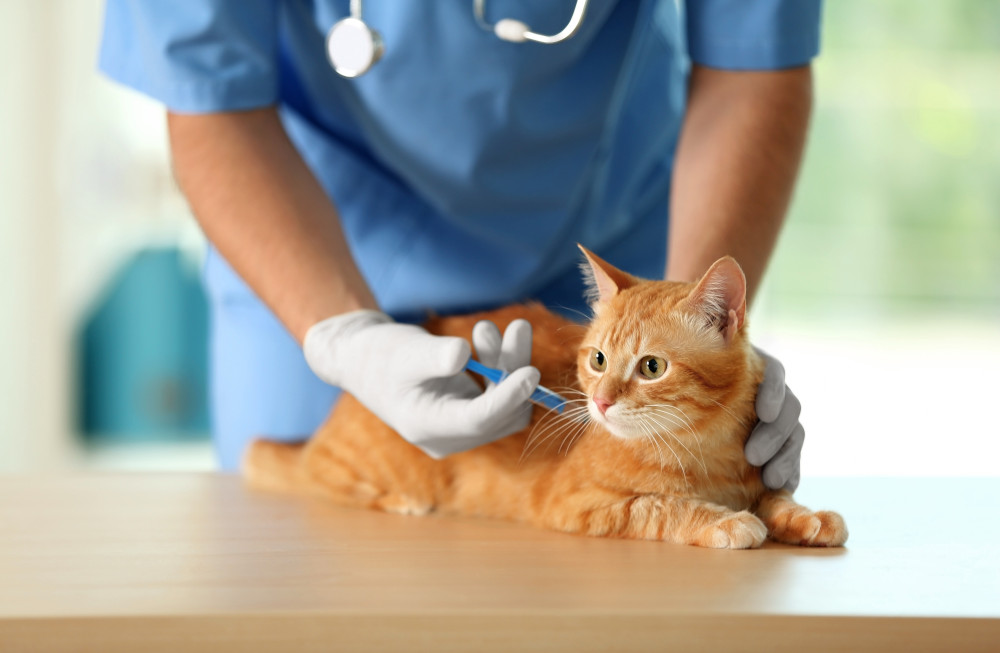
Vaccination is one of the most effective ways to protect cats from contagious and potentially deadly diseases. Just like humans, cats rely on vaccines to develop immunity and prevent infections before they become severe. The keyphrase cat vaccines is central to understanding preventive healthcare for felines. Whether you own a kitten or an adult cat, keeping your cat’s vaccination schedule up to date is critical for their long-term health. Vaccines not only protect your cat but also reduce the risk of spreading infectious diseases to other cats, making it a responsibility for every pet owner.
Cats are prone to several viral and bacterial infections that can compromise their immune system. Core vaccines, such as those for feline herpesvirus, calicivirus, and panleukopenia, are essential for every cat, while non-core vaccines, like rabies or feline leukemia virus (FeLV), are recommended based on lifestyle and risk factors. Understanding what cat vaccines are available, their schedule, and their benefits can help you make informed decisions about your cat’s healthcare.
Core Cat Vaccines
Core vaccines are essential for all cats, regardless of their lifestyle or environment. These vaccines protect against highly contagious and severe diseases.
1. Feline Herpesvirus (FHV-1) Vaccine
Feline herpesvirus is a leading cause of upper respiratory infections in cats. Symptoms include sneezing, nasal discharge, eye irritation, and conjunctivitis. Vaccination does not completely prevent infection but significantly reduces the severity of symptoms. Kittens typically receive the FHV-1 vaccine as part of a combination vaccine, and boosters are recommended throughout their life to maintain immunity. By ensuring your cat receives the FHV-1 vaccine, you reduce the likelihood of severe respiratory infections, especially in multi-cat households where the virus spreads easily.
2. Feline Calicivirus (FCV) Vaccine
Calicivirus is another common viral infection affecting the respiratory system. Infected cats may develop oral ulcers, fever, lethargy, and mild to severe respiratory signs. The cat vaccines that include calicivirus protect cats from severe symptoms and help control the spread of the virus. Booster shots are necessary to maintain immunity, especially for cats exposed to other cats in boarding facilities, shelters, or outdoor environments. Vaccination is particularly important for kittens, as early exposure to calicivirus can result in lifelong health issues.
3. Feline Panleukopenia (FPV) Vaccine
Feline panleukopenia, also known as feline distemper, is a highly contagious and often fatal disease. Symptoms include vomiting, diarrhea, severe dehydration, and immune suppression. Administering the FPV vaccine ensures that kittens and adult cats develop strong immunity, significantly reducing the risk of severe illness. The vaccine is usually given in combination with FHV-1 and FCV vaccines, creating a robust protection plan. Core cat vaccines like FPV are non-negotiable in any preventive healthcare routine for felines.
Non-Core Cat Vaccines
Non-core vaccines are recommended based on a cat’s lifestyle, exposure risk, and geographic location.
1. Feline Leukemia Virus (FeLV) Vaccine
FeLV is a viral infection that severely affects the immune system, making cats susceptible to secondary infections and cancer. The FeLV vaccine is particularly important for kittens, outdoor cats, or cats that interact with other unknown or stray cats. Vaccination reduces the risk of infection and improves long-term survival rates. Booster shots are recommended for at-risk cats to maintain protective immunity.
2. Rabies Vaccine for Cats
Rabies is a fatal zoonotic disease that can affect both cats and humans. Vaccination against rabies is mandatory in many regions and is recommended for all cats, especially those with outdoor access. Administering the rabies vaccine protects your cat and ensures compliance with local regulations. Early vaccination in kittens and regular boosters in adults are critical components of a responsible cat healthcare routine.
3. Bordetella and Chlamydia Vaccines for Cats
Bordetella and Chlamydia vaccines are primarily recommended for cats in multi-cat environments, shelters, or breeding facilities. These vaccines help prevent respiratory infections, reduce symptoms, and minimize outbreaks among groups of cats. While not essential for indoor-only cats with no exposure to other animals, these vaccines can provide an extra layer of protection for high-risk felines.
Vaccination Schedule for Cats
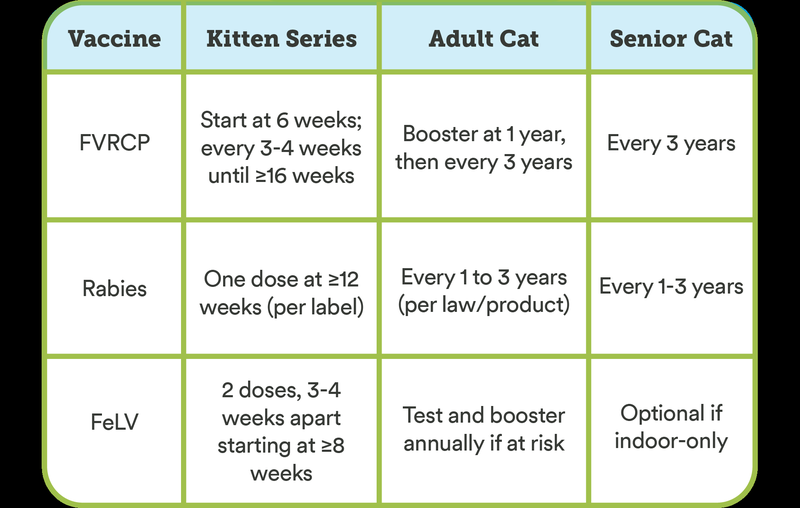
Creating and following a vaccination schedule is crucial to ensure your cat is fully protected throughout its life.
1. Vaccines for Kittens
Kittens usually begin vaccinations at 6–8 weeks of age. Core vaccines are given every 3–4 weeks until they reach 16 weeks of age. This series of vaccines ensures that maternal antibodies from the mother do not interfere with the kitten’s developing immunity. Typical kitten vaccines include FHV-1, FCV, FPV, and sometimes FeLV depending on risk factors.
2. Essential Vaccines and Boosters for Adult Cats
Adult cats who missed kitten vaccinations or need booster shots should receive them based on veterinary recommendations. Boosters are generally administered every 1–3 years, depending on the vaccine and exposure risk. Regular veterinary visits are essential to monitor immunity and adjust the vaccination plan according to the cat’s lifestyle, age, and health status.
3. Vaccines for High-Risk Cats
Cats with outdoor access, frequent contact with other cats, or living in high-density environments like shelters may require additional vaccines or more frequent boosters. Consulting with a veterinarian ensures that high-risk cats receive tailored protection, preventing infections and outbreaks.
Side Effects and Safety of Cat Vaccines
Most cat vaccines are safe and well-tolerated. Mild side effects may include lethargy, slight fever, or swelling at the injection site. These reactions usually resolve within 24–48 hours. Severe reactions are rare but require immediate veterinary attention. Pet owners should monitor their cats after vaccination for any unusual behavior, persistent vomiting, or difficulty breathing. Following proper vaccination protocols and consulting your vet for any concerns ensures both safety and efficacy of vaccines.
Benefits of Vaccinating Your Cat
1. Disease Prevention
Vaccines protect cats from serious and potentially fatal diseases. Core vaccines prevent infections like feline distemper, herpesvirus, and calicivirus, while non-core vaccines guard against rabies, FeLV, and other high-risk infections.
2. Reduced Spread of Disease
Vaccinating your cat also protects other cats by minimizing the spread of contagious diseases. This is especially important in multi-cat households, shelters, or outdoor environments.
3. Improved Longevity and Quality of Life
Vaccinated cats are healthier, less prone to severe illness, and enjoy a better quality of life. Preventive care, including vaccinations, ensures that your cat lives longer and remains active and happy.
Common Myths About Cat Vaccines
“Indoor Cats Don’t Need Vaccines”
Even indoor cats can be exposed to viruses carried on shoes, clothing, or from other pets. Vaccination is still recommended to ensure full protection against infectious diseases.
“Vaccines Cause Disease”
Vaccines contain inactivated or modified pathogens and cannot cause the disease they are designed to prevent. Side effects are typically mild and temporary, whereas the diseases themselves can be fatal.
“Kittens Need Fewer Vaccines”
Kittens require multiple doses during their first months of life to build strong immunity. Skipping vaccines puts them at serious risk for infection during this vulnerable period.
Tips for Ensuring Successful Vaccination
1. Keep Records Updated for Cat Vaccines
Keeping an accurate and up-to-date record of your cat’s vaccinations is essential for effective preventive care. A detailed record allows you to track which vaccines your cat has received, when they were administered, and when booster shots are due. Booster shots are crucial for maintaining immunity against serious diseases, and missing even a single booster can leave your cat vulnerable. Accurate vaccination records also help veterinarians make informed decisions about your cat’s health, especially if you relocate, visit a new clinic, or board your cat in a kennel. By maintaining thorough records, you ensure that your cat receives timely protection against contagious diseases, supporting long-term health and well-being.
2. Monitor Your Cat Post-Vaccination
After your cat receives vaccines, it’s important to monitor them for any side effects, even though most are mild and temporary. Common reactions include slight lethargy, mild fever, or swelling at the injection site. Observing your cat allows you to distinguish between normal post-vaccination responses and symptoms that may indicate a more serious reaction. If your cat shows persistent vomiting, difficulty breathing, severe swelling, or unusual behavior, contact your veterinarian immediately. Careful post-vaccination monitoring ensures your cat’s safety, provides peace of mind, and helps your vet respond quickly if complications arise, reinforcing the overall effectiveness of the vaccination program.
3. Consult Your Veterinarian Regularly About Cat Vaccines
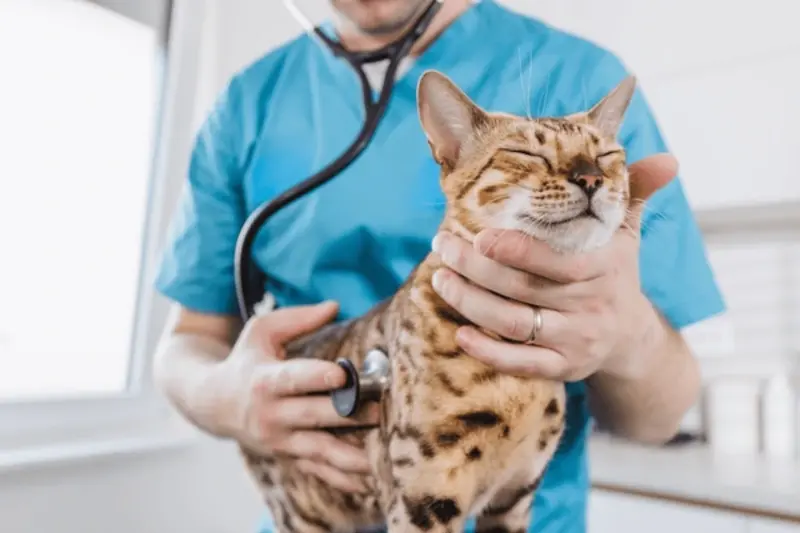
Regular consultations with your veterinarian are essential to ensure that your cat’s vaccination schedule is appropriate and up to date. Your vet can tailor a vaccination plan based on your cat’s age, breed, lifestyle, and risk factors. Indoor-only cats may need fewer non-core vaccines, while outdoor or high-risk cats may require additional protection. Routine veterinary visits also allow early detection of underlying health issues that could compromise your cat’s immune system or alter the effectiveness of vaccines. By maintaining open communication with your veterinarian, you ensure that your cat receives personalized care, stays protected against infectious diseases, and enjoys a longer, healthier life.
4. Combine Cat Vaccines with Overall Health Care
Vaccines provide the best protection when they are part of a comprehensive approach to your cat’s health. Proper nutrition, parasite control, dental care, and routine wellness checkups complement vaccination by strengthening the immune system and reducing susceptibility to infections. Hydration, stress management, and environmental enrichment also contribute to overall health and enhance vaccine efficacy. By integrating vaccines with overall healthcare practices, you create a robust preventive plan that protects your cat from illness, supports long-term wellness, and promotes a happy, active, and comfortable life.
Conclusion
Vaccination is a cornerstone of feline preventive healthcare. Core and non-core cat vaccines protect your feline companion from serious, contagious, and potentially fatal diseases. Maintaining an up-to-date vaccination schedule, monitoring for side effects, and working closely with your veterinarian ensures optimal protection. Alongside proper nutrition, hygiene, and routine veterinary care, vaccines play a critical role in keeping your cat healthy, active, and happy for years to come.
