
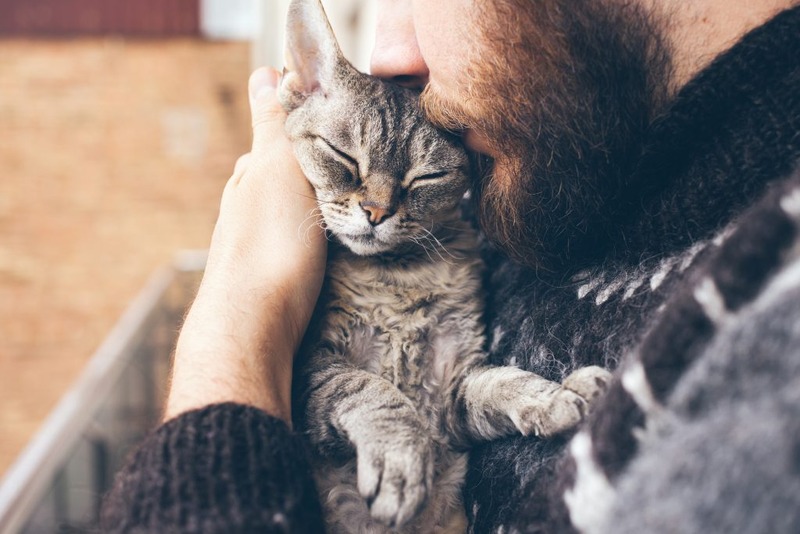
Many cat owners are surprised to learn that, just like humans, cats can suffer from dementia. Recent research has shown remarkable similarities between feline and human cognitive decline, suggesting that cats experience changes in memory, awareness, and behavior in ways similar to us. Understanding these signs is essential to providing the best care for your cat as it ages, ensuring comfort, safety, and a higher quality of life.
What is Cat Dementia?
Feline cognitive dysfunction syndrome (FCDS), commonly referred to as cat dementia, is an age-related brain disorder that causes a decline in a cat’s cognitive abilities like memory, learning, and awareness. This condition affects memory, awareness, and decision-making, often manifesting as behavioral changes that cannot be attributed to other medical problems. While it is most common in older cats, signs of dementia can sometimes appear in cats as young as seven years old. By the time a cat reaches 15, studies show that more than half exhibit some degree of cognitive decline. Even in middle-aged cats, around 28% may display at least one behavioral change linked to dementia. Recognizing these signs early can help owners provide better care and support for their pets.
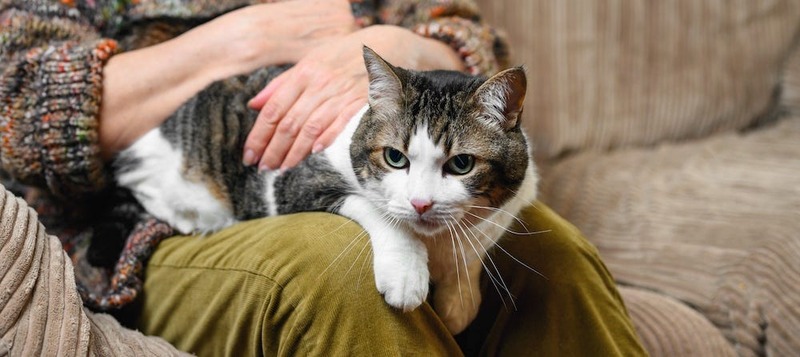
Eight Common Signs of Cat Dementia
Behavioral changes are often the first indication that a cat may be experiencing cognitive decline. Here are eight key signs to watch for:
1. Unusual Vocalization
Cats with dementia may begin meowing more than usual, often at unexpected times, such as during the night. This excessive vocalization can indicate confusion, anxiety, or an inability to locate their owners. Paying attention to changes in your cat’s vocal patterns can help identify cognitive issues early.
2.Altered Interactions
Cognitive decline can affect how your cat interacts with people and other pets. Some cats become unusually clingy, seeking constant attention, while others may withdraw, appear irritable, or fail to recognize familiar people. Changes in social behavior are a key indicator of dementia and should never be ignored.
3.Disrupted Sleep Patterns
Cats with dementia often experience disruptions in their sleep. They may become restless at night, pacing or vocalizing, while sleeping more during the day. These sleep disturbances can be stressful for both the cat and its owner, and may require adjustments to the cat’s environment to ensure comfort.
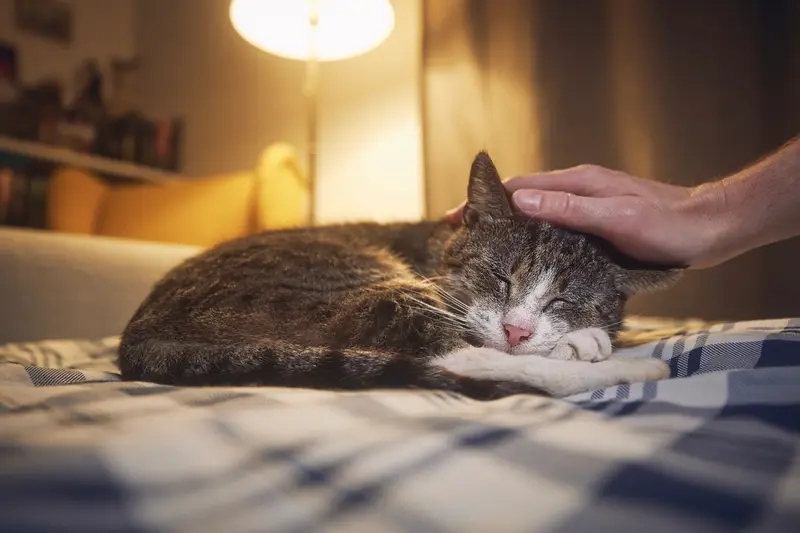
4. House Soiling
One of the most noticeable signs of dementia is a change in toileting habits. Cats may urinate or defecate outside the litter box, which can stem from confusion, anxiety, or forgetfulness. While this behavior can also indicate other medical issues, it is often associated with cognitive decline in older cats.
5.Signs of Disorientation
Cats with dementia may seem lost in familiar environments, wandering aimlessly, getting stuck behind furniture, staring blankly at walls, or attempting to exit through the wrong door. Disorientation is a clear sign that their spatial awareness and memory are impaired.
6.Reduced or Erratic Activity
A decline in cognitive function can affect a cat’s energy and activity. Some cats become less playful or reluctant to explore, while others may exhibit restless behavior. Grooming may also decrease, resulting in an unkempt coat. Monitoring these changes can provide insight into the progression of dementia.
7. Increased Anxiety
Cats with cognitive dysfunction may display anxiety in situations they previously handled confidently. This could include familiar environments, people, or routine noises. An anxious cat might hide more frequently, climb to high or secluded areas, or become overly cautious, indicating a heightened sensitivity to their surroundings.
8. Difficulty Learning or Performing Tasks
Cats with dementia may struggle to remember previously learned behaviors, such as locating their food or using the litter box. They may also find it difficult to learn new tasks or adapt to changes in their environment, reflecting their declining cognitive abilities.
Caring for a Cat with Dementia
It’s important to remember that many symptoms of feline dementia overlap with other conditions such as arthritis, kidney disease, or thyroid issues. If you notice behavioral changes in your cat, a thorough veterinary examination is essential to rule out other causes before assuming dementia is the problem.
While there is currently no cure for feline dementia, several strategies can help reduce its impact and improve your cat’s quality of life.
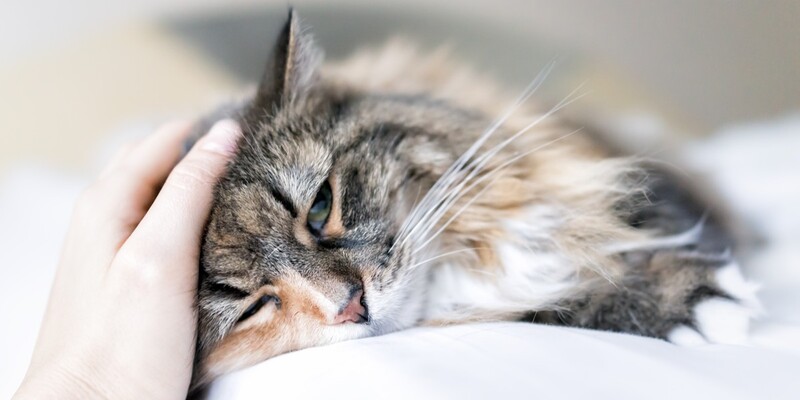
1.Environmental Enrichment
For healthy or mildly affected cats, stimulating their minds can slow the progression of cognitive dysfunction. Interactive toys that simulate hunting, puzzle feeders, and games like hide-and-seek encourage mental activity and can help maintain cognitive function. However, in cats with severe dementia, environmental changes should be introduced cautiously, as new stimuli may cause confusion or anxiety.
2.Diet and Supplements
Dietary interventions may also support cognitive health. Supplements containing antioxidants such as vitamins E and C, along with essential fatty acids, may reduce inflammation in the brain and slow cognitive decline. It’s crucial to use supplements specifically formulated for cats, as some ingredients in dog supplements—like alpha-lipoic acid—can be toxic to felines.
3.Consistent Routine
Maintaining a predictable daily routine helps reduce stress for cats with dementia. Regular feeding times, familiar sleeping areas, and gentle social interaction can provide comfort and a sense of security.
4.Creating a Safe Home Environment
Cats with dementia can easily become confused or frightened. You can make their environment safer and more supportive by:
- Keeping furniture and essential items in consistent locations
- Using night lights to help with nighttime navigation
- Ensuring easy access to food, water, and litter boxes
- Blocking access to dangerous areas (balconies, stairs, tight spaces)
- Providing soft bedding in quiet, familiar spots
Small adjustments can significantly reduce anxiety and prevent accidents.
5.Supporting Your Cat Emotionally
Emotion plays a larger role in feline dementia than many owners realize. Caring for a cognitively declining cat also means supporting their emotional well-being:
- Offer gentle, calm affection
- Avoid loud noises or sudden changes
- Speak softly—your voice can reassure them when they’re confused
- Spend daily quality time together, even if it’s just sitting quietly nearby
- Maintain a low-stress home environment
These steps can help your cat feel safe, loved, and grounded despite the challenges of dementia.
Is Cat Dementia Curable?
Unfortunately, feline dementia is not curable. Just like in humans, cognitive decline caused by aging cannot be reversed once it begins. However, early recognition and supportive care can slow the progression, minimize distress, and improve a cat’s daily functioning. Many cats with dementia continue to live comfortably for years with proper management, so receiving a diagnosis is not the end—it is simply a signal to adjust how you support your aging companion.
When to See a Veterinarian
Because many symptoms of dementia overlap with other medical conditions—such as kidney disease, diabetes, hyperthyroidism, hearing loss, arthritis, or vision problems—owners should seek veterinary care as soon as they notice any sudden or gradual behavioral changes. You should contact your vet if you observe any of the following:
- A sharp increase in nighttime vocalization
- Confusion or disorientation in familiar spaces
- Unexplained litter box accidents
- Noticeable anxiety or withdrawal
- Changes in appetite, thirst, or grooming habits
- Unusual aggression, clinginess, or fearfulness
- Drastic changes in sleep patterns
Early evaluation is important not only for diagnosing cognitive decline but also for identifying treatable underlying conditions that may mimic or worsen dementia-like symptoms.
How a Veterinarian Can Help
While dementia cannot be cured, veterinarians play a major role in improving a cat’s comfort and slowing cognitive deterioration. A vet may:
1. Perform a Full Health Assessment
This typically includes blood tests, urine analysis, thyroid screening, neurological exams, and sometimes imaging (such as X-rays or ultrasounds). These tests help rule out medical issues that could be causing the behavioral changes.
2. Prescribe Medication
Depending on the cat’s health, a veterinarian may recommend medication to support brain function or reduce stress. Common options include:
- Selegiline, used to improve cognitive function
- Anti-anxiety medications for cats experiencing stress or fear
- Melatonin for regulating sleep-wake cycles (under veterinary guidance)
3. Provide Nutritional and Supplement Guidance
A vet may suggest therapeutic diets or supplements high in antioxidants, omega-3 fatty acids, medium-chain triglycerides, or brain-supportive nutrients.
4. Recommend Environmental and Behavioral Adjustments
Veterinarians can help design a care plan that suits your cat’s stage of cognitive decline—balancing stimulation with predictability and comfort.
5. Monitor Disease Progression
Regular check-ups help to evaluate changes and adjust the care plan as needed. Dementia is a progressive condition, so ongoing veterinary support is essential.
Final Thoughts
Feline dementia is a common yet often misunderstood condition in aging cats. While not curable, early recognition, veterinary guidance, environmental enrichment, consistent routines, and nutritional support can dramatically improve a cat’s quality of life. Knowing the signs, seeking help early, and providing compassionate care can help ensure your cat remains comfortable, safe, and emotionally supported throughout their golden years.
