
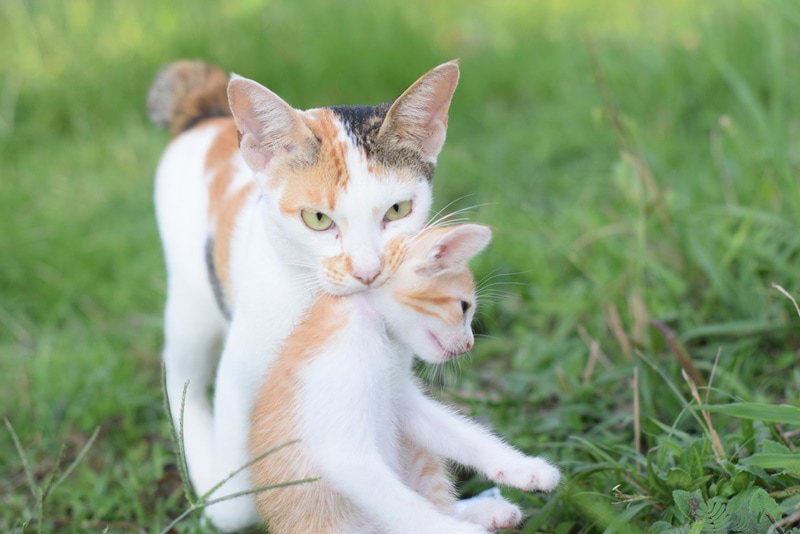
Mother cats are known for their extraordinary maternal instincts, which can sometimes surprise or even alarm new cat owners, especially when they witness a mother cat picking up her kittens in her mouth and relocating them to a new spot. While this behavior may seem puzzling or even a little unsettling at first glance, it is a completely natural and instinctive part of feline parenting. Mother cats perform this behavior for reasons rooted deeply in survival, comfort, and the well-being of their kittens. Understanding why a mother cat moves her kittens not only helps owners interpret this instinctive behavior but also allows them to provide an environment that supports the health and safety of both the mother and her litter. This article explores the multiple reasons behind this fascinating behavior and provides practical tips for cat owners who wish to support their feline family members.
Mother Cat Moves Kittens to Keep Them Safe and Secure
One of the most significant reasons mother cats move their kittens is safety. In the wild, a stationary nest can attract predators or other animals that pose a threat to the vulnerable newborns. Mother cats are hardwired to seek out locations that are secure, hidden, and protected from potential danger. Even in a domestic home, where predators are largely absent, this instinct remains strong. A mother cat may perceive a particular nesting spot as unsafe because it is exposed to foot traffic, loud noises, or the presence of other pets. As a result, she will carry her kittens to a more secluded and protected area, ensuring that they are less likely to be disturbed and can grow in a calm and secure environment. This instinctive behavior demonstrates just how deeply rooted maternal instincts are in felines, showing that their care for their offspring goes far beyond basic feeding and grooming.
Mother Cat Ensure Their Kittens’ Comfort
Another common reason for moving kittens is the pursuit of comfort. Mother cats are incredibly attentive to their kittens’ needs, and the physical environment plays a crucial role in their development. If the original nest becomes too hot, too cold, or otherwise uncomfortable, the mother will relocate her kittens to a place that better suits their needs. Comfort in this context includes factors such as the softness and warmth of the bedding, the level of privacy, and protection from drafts or disturbances. By moving her kittens to a better environment, the mother ensures that they are warm, safe, and able to rest without stress. This careful attention to the nesting environment demonstrates the mother cat’s deep commitment to her kittens’ overall well-being, which is why providing a suitable, quiet, and cozy area is essential for cat owners.
Responding to Disturbances
Mother cats are extremely sensitive to their surroundings and may relocate their kittens in response to perceived disturbances. Loud noises, frequent handling by humans, or the presence of other animals can make a mother cat feel that her kittens are at risk, prompting her to move them to a quieter, safer location. This behavior reflects the cat’s instinctive desire to minimize stress for both herself and her litter. Cat owners should understand that excessive interference, even with good intentions, can trigger these moves. Giving the mother cat space, allowing her to interact with her kittens on her own terms, and providing a low-traffic, private area for the nest can help her feel secure and reduce the frequency of relocations. Observing this behavior without interference also provides valuable insight into the mother cat’s instincts and her priorities for her kittens’ safety.
Mother cat Keeping Kittens Clean and Healthy
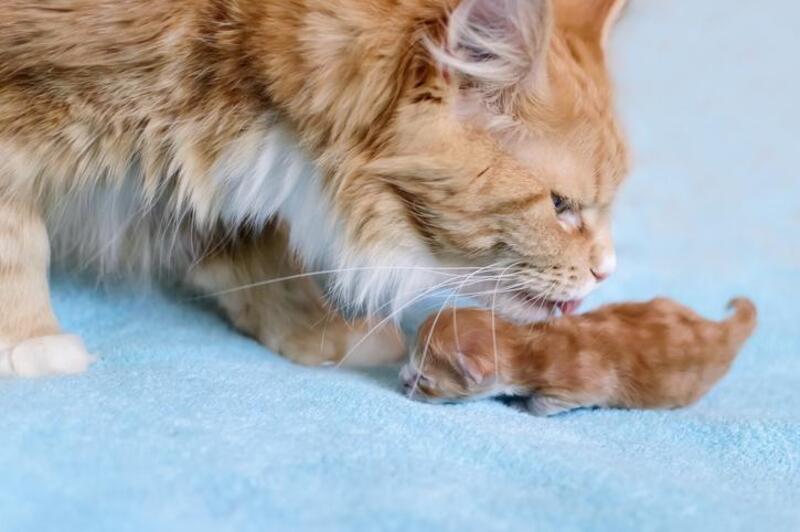
Hygiene is another critical reason mother cats relocate their kittens. Kittens are born with undeveloped immune systems and are highly susceptible to infections. The nesting area can quickly become soiled with waste, food spills, or other contaminants, which could threaten their health. By moving her kittens to a new location, the mother helps maintain cleanliness and reduces the risk of illness. This behavior also ensures that the kittens remain in a sanitary environment conducive to healthy growth. In addition, this instinctive relocation allows the mother to manage her litter more effectively, ensuring that each kitten receives adequate attention, grooming, and nourishment, further supporting their overall health and well-being during these critical early weeks of life.
Encouraging Exploration and Development
As the kittens grow, the mother cat’s relocations may also serve to encourage exploration and development. By moving the kittens gradually to different areas, the mother helps them become familiar with their surroundings, develop spatial awareness, and gain confidence in navigating new spaces. These controlled exposures prepare the kittens for eventual independence while still keeping them protected under her watchful eye. Even subtle changes in location help stimulate the kittens’ senses, encouraging curiosity and the development of important physical and social skills. This aspect of maternal behavior demonstrates that a mother cat’s movements are not only about immediate safety but also about long-term growth and preparation for life beyond the nest.
Signs of Normal vs. Concerning Behavior
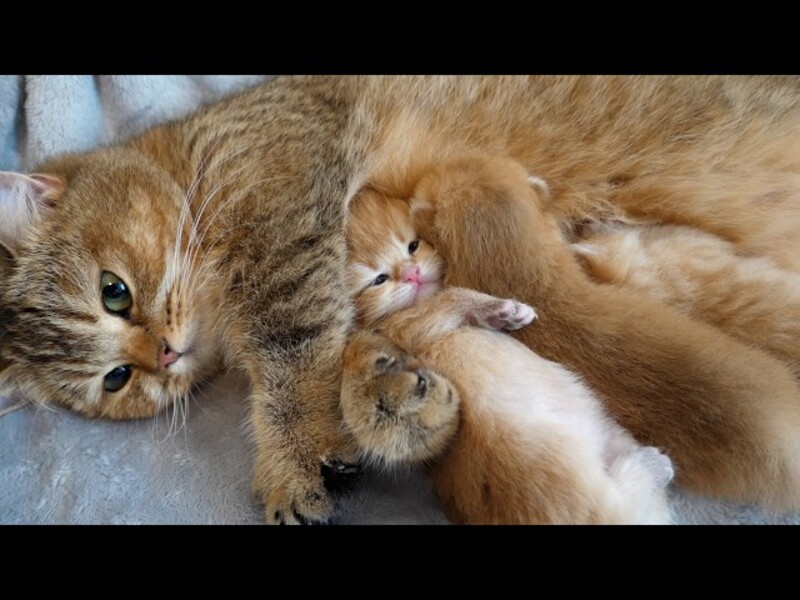
While moving kittens is generally a normal and healthy behavior, it is important for cat owners to observe the context and manner in which the mother cat relocates her litter. Normal behavior includes gently carrying kittens by the scruff, carefully placing them in the new nest, and returning to nurse, groom, or check on them. Concerning behavior, on the other hand, may include frantic or repetitive relocations, apparent distress, or abandonment of kittens, which could indicate stress, illness, or an unsuitable environment. In such cases, it is crucial to consult a veterinarian or feline behaviorist to ensure both the mother and her kittens are safe and healthy. Understanding these differences allows owners to intervene only when necessary and avoid unnecessary stress for the mother cat.
How to Support a Mother Cat and Her Kittens
Supporting a mother cat requires understanding her instincts and providing conditions that minimize stress while meeting her needs. Owners should ensure that the nesting area is quiet, safe, and warm, with minimal disturbances from other pets or household activity. It is essential to avoid handling kittens unnecessarily, particularly during the first few weeks of life, as excessive human interaction can prompt repeated relocations. Mothers also require easy access to food, water, and a litter box near the nest to avoid leaving their kittens for extended periods. Observing the mother from a distance allows her to maintain control over her environment and reinforces her natural instincts while ensuring her kittens grow up healthy, safe, and well-cared-for.
Conclusion
Mother cats move their kittens for instinctive reasons that include ensuring safety, providing comfort, maintaining hygiene, and supporting development. While this behavior may appear puzzling to humans, it is a natural and vital part of feline parenting. By understanding these instincts and providing a safe, quiet, and comfortable environment, owners can help mother cats raise their kittens successfully. Observing a mother cat as she cares for and relocates her kittens is a fascinating glimpse into the dedication, intelligence, and protective nature that define feline motherhood.
